
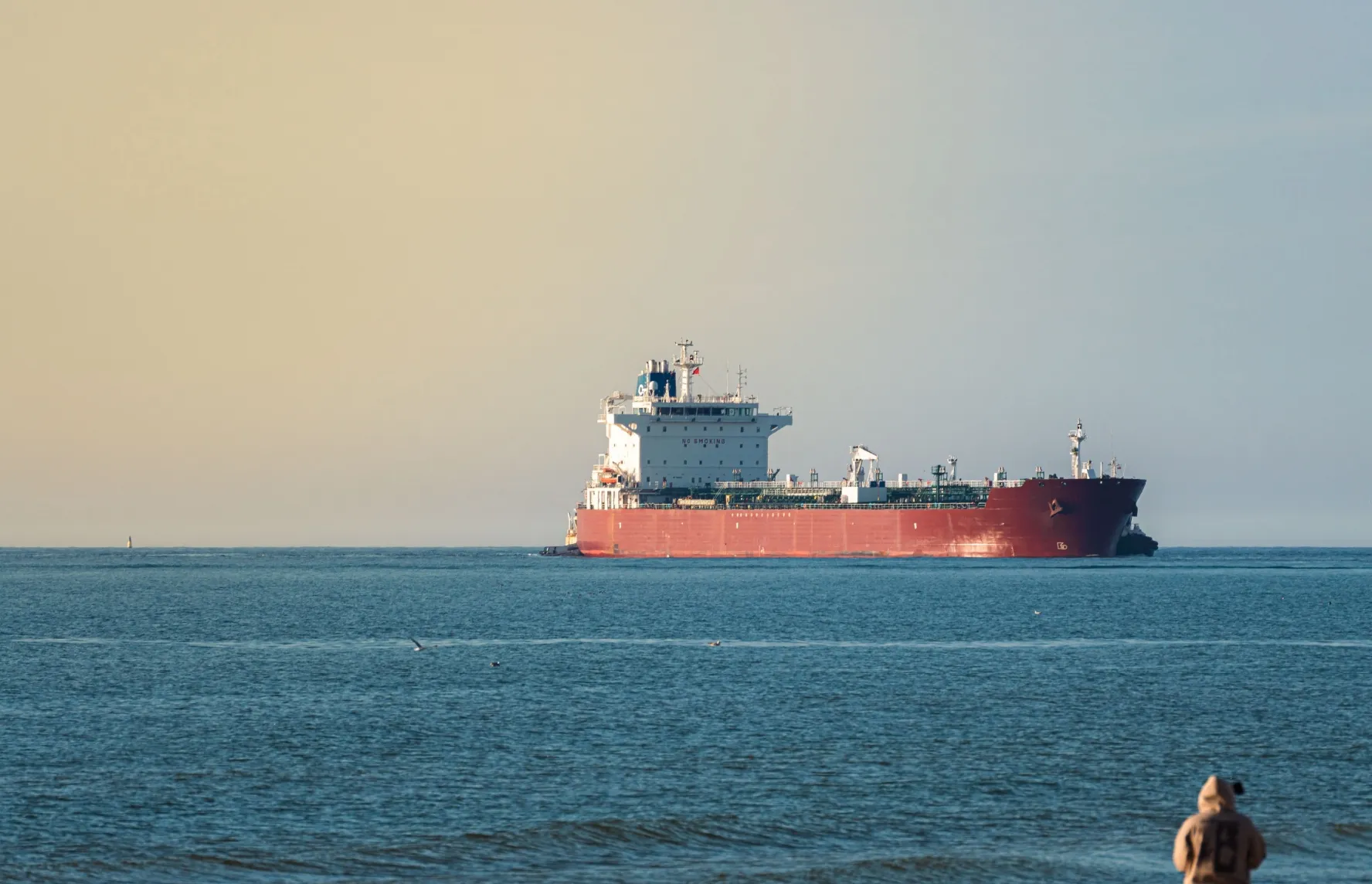
Global oil prices climbed above $100 per barrel after tensions in the Middle East intensified. The increase followed attacks on Saudi oil tankers in the Red Sea and growing concerns about disruptions to major shipping routes. As a result, investors reacted quickly to the risk of tighter global energy supplies.
Moreover, Brent crude rose sharply after trading near $95 the previous day. Analysts warned that continued instability could push prices even higher in the coming weeks. Some forecasts suggest that oil could reach $120 per barrel if supply disruptions persist.
Growing Concerns Over Energy Security
The latest price surge reflects fears surrounding two critical maritime routes. The Strait of Hormuz and the Bab el-Mandeb Strait play a vital role in global oil transportation. Therefore, any disruption in these areas has immediate consequences for international energy markets.
Furthermore, the attacks have increased uncertainty for shipping companies and energy producers. Markets now expect higher transportation costs and greater risks for global supply chains. Consequently, energy security has become a central concern for governments and investors alike.
Financial Markets React
Higher oil prices also affected global financial markets. Stock indexes declined as investors worried about rising inflation and slower economic growth. Technology stocks experienced some of the largest losses, while government bond yields increased in several major economies.
In addition, economists warned that sustained energy price increases could place new pressure on consumers and businesses. Higher fuel costs often translate into more expensive transportation, manufacturing and food production. Therefore, inflation risks remain elevated if the conflict continues.
Why the Oil Price Increase Matters
The return of oil prices above $100 per barrel highlights the strong connection between geopolitics and global energy markets. Although demand remains stable, concerns about supply disruptions have become the main driver of prices.
Finally, future market movements will depend on developments in the Middle East. If tensions ease, oil prices may stabilize. However, additional attacks or shipping disruptions could trigger another sharp increase and create broader economic challenges worldwide.
Reference
Milmo, D. (2026, July 23). Oil price passes $100 a barrel again as Middle East conflict escalates. The Guardian. https://www.theguardian.com/business/2026/jul/23/oil-price-passes-100-a-barrel-again-as-middle-east-conflict-escalates