
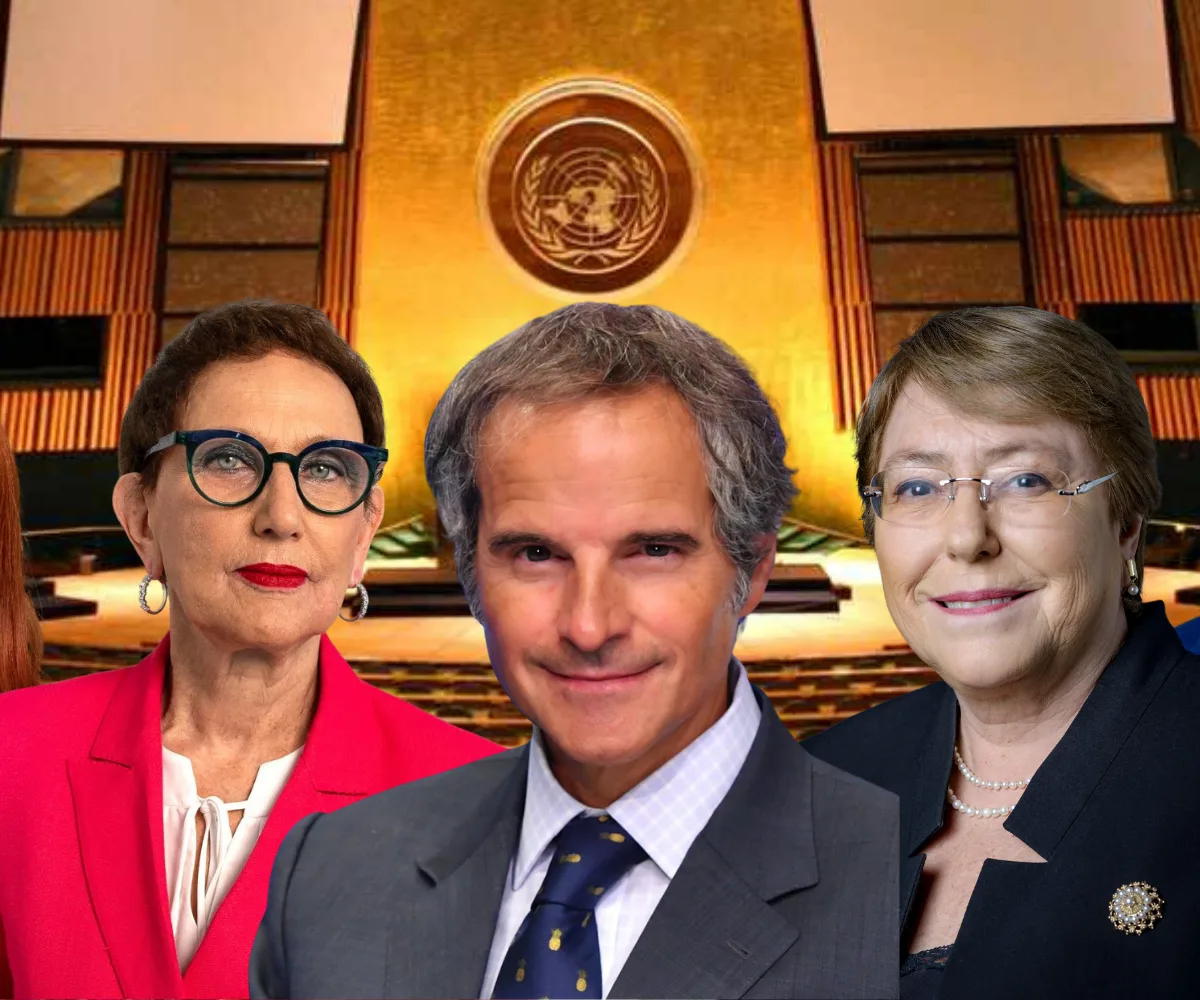
Evaluating potential UN Secretary General candidates requires analyzing regional rotation traditions, Security Council veto dynamics, and institutional governance qualifications. According to reporting by UN Watch, selecting the chief administrative officer of the United Nations involves complex diplomatic maneuvers among permanent Security Council members. Consequently, public pressure grows for greater transparency, merit-based assessments, and equal gender representation in the executive election process.
Regional Rotation and Security Council Veto Dynamics
Historically, UN leadership selections followed an informal regional rotation custom to ensure balanced global representation across continents. However, permanent Security Council members hold absolute veto power, often favoring candidates who balance geopolitical tensions rather than outspoken reformers.
“The selection of the Secretary-General must prioritize merit, diplomatic independence, and a proven commitment to human rights over geopolitical convenience,” emphasized international governance observers.
Specifically, international civil society groups advocate for structured public debates and clear qualification criteria for prospective nominees.
Gender Parity and Institutional Reform
Furthermore, civil society coalitions urge Member States to nominate qualified female diplomats, as no woman has held the position since the organization’s founding. Ensuring equal opportunity in executive appointments remains vital for advancing global gender equality goals.
Therefore, reforming candidate evaluation protocols strengthens institutional credibility and international trust. Moving forward, upcoming selection cycles will test whether member nations prioritize systemic transparency over closed-door negotiations.
UN Watch. (2026, July 30). Analyzing the candidates for UN Secretary-General. UN Watch Monitoring Reports. https://unwatch.org/analyzing-the-candidates-for-un-secretary-general/