
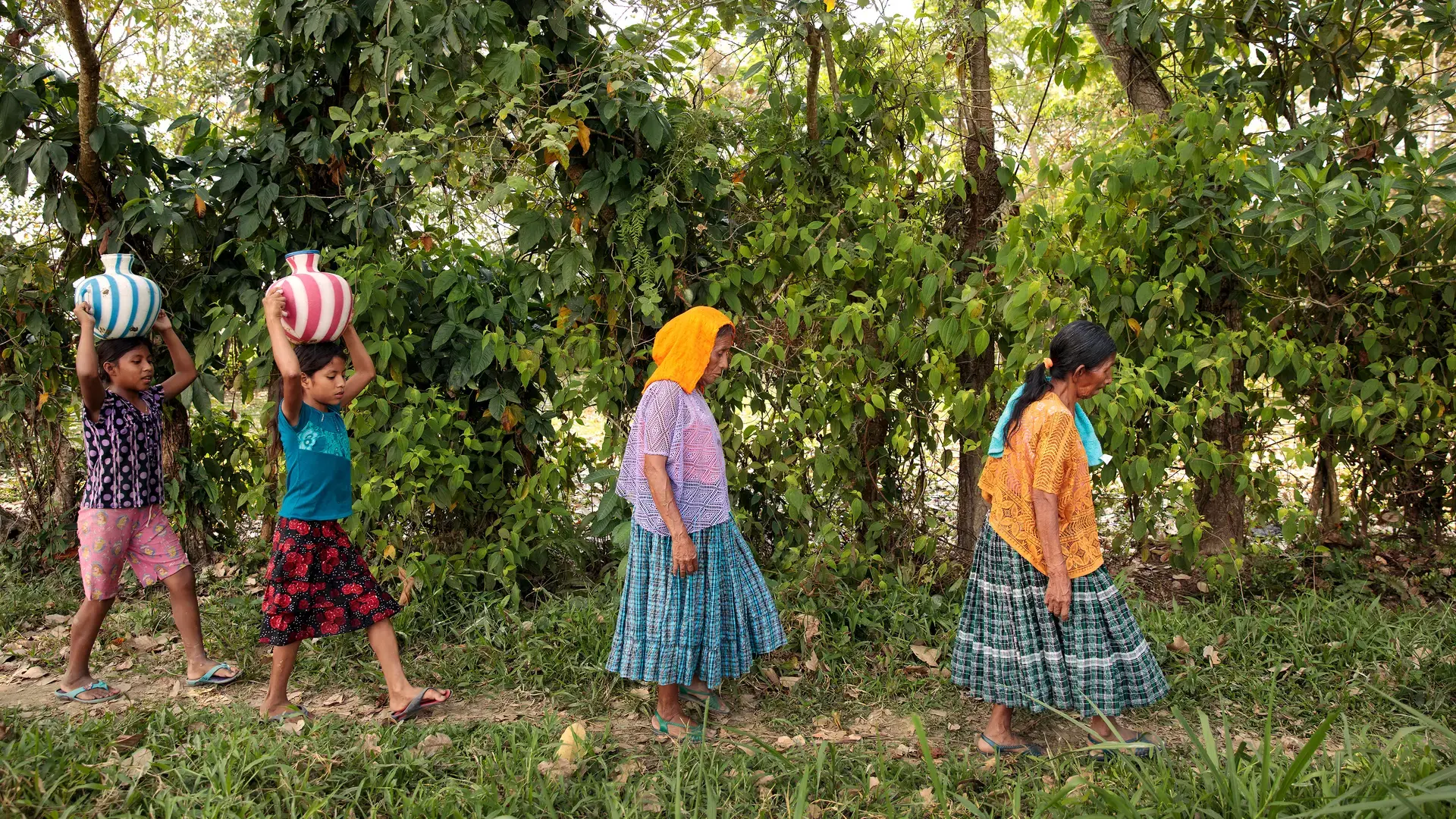
Rising global temperatures and prolonged thermal waves create distinct, disproportionate challenges, highlighting severe extreme heat gender impacts across vulnerable regions. Reporting by UN Women details how rising temperatures exacerbate existing socio-economic inequalities. Consequently, women and girls face heightened physical health risks, loss of agricultural livelihoods, and escalating unpaid domestic care responsibilities during climate shocks.
Health Vulnerabilities and Domestic Care Burdens
Sustained high temperatures pose severe physiological hazards for pregnant women, significantly increasing risks of premature birth and stillbirth. Furthermore, traditional domestic expectations often require women to walk longer distances under scorching sun conditions to secure water and cooking fuel.
“Extreme heat is not gender-neutral; it multiplies existing inequalities and places immense physical burdens on women,” noted gender and climate experts.
Specifically, informal workers in agriculture and street vending lack labor protections and access to cooled environments.
Economic Losses and Policy Action
Additionally, climate disruptions threaten female micro-enterprises and smallholder farmers who lack financial safety nets or insurance coverage. Therefore, integrating gender perspectives into national disaster management strategies remains critical for community resilience.
Moving forward, expanding social protection systems and investing in local water infrastructure will help mitigate thermal risks. Protecting vulnerable populations requires targeted, gender-aware climate action across all governance levels.
UN Women. (2026, July 30). Explainer: Extreme heat and the unequal consequences of the climate crisis. United Nations Entity for Gender Equality and the Empowerment of Women. https://www.unwomen.org/en/articles/explainer/extreme-heat-and-the-unequal-consequences-of-the-climate-crisis