
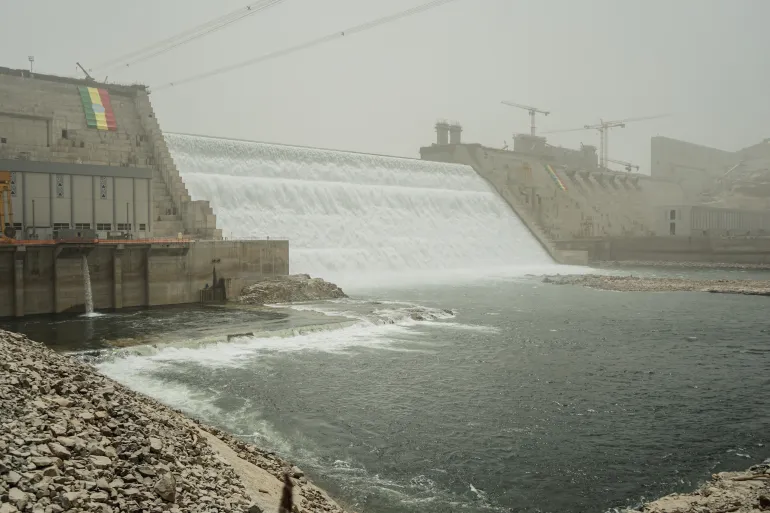
Following the September 2025 inauguration of the Grand Ethiopian Renaissance Dam (GERD), Ethiopia plans to advance three new Blue Nile hydropower projects. Being the Karadobi, Mandaya, and Beko Abo, with a combined potential capacity of roughly 5,700 megawatts. Ethiopia views expanding its hydroelectric capacity on the river as vital for economic development and expanding domestic electricity access. However, downstream Egypt views upstream water management with significant concern. In addition as the Nile serves as the nation’s main source of freshwater and any potential disruption to river flow during droughts poses a national security risk.
The successful completion of the GERD demonstrated the limits of Cairo’s diplomatic leverage to halt Ethiopian infrastructure development outright. As a result, Egypt’s focus has shifted from trying to block construction toward negotiating binding agreements on dam operations, water releases, and real-time data sharing. Egypt’s regional influence relies heavily on political cooperation with neighboring Sudan, though Sudan must balance its own interests. Obviously, between securing cheap Ethiopian electricity and ensuring upstream safety safeguards, all while internal conflict limits Khartoum’s diplomatic reach. Ultimately, experts emphasize that coercive economic or military pressure carries severe risks and offers little leverage over Addis Ababa.
In conclusion, Egypt lacks the capacity to unilaterally block Ethiopia’s future Nile projects. In making a formal tri-party agreement based on transparent data exchange, adaptive dam management, and advance notification the only effective path forward to ensure regional water security.
Reference
After GERD, can Egypt shape Ethiopia’s next Nile dams? (2026, August 21). Al Jazeera.https://www.aljazeera.com/news/2026/8/21/after-gerd-can-egypt-shape-ethiopias-next-nile-dams