
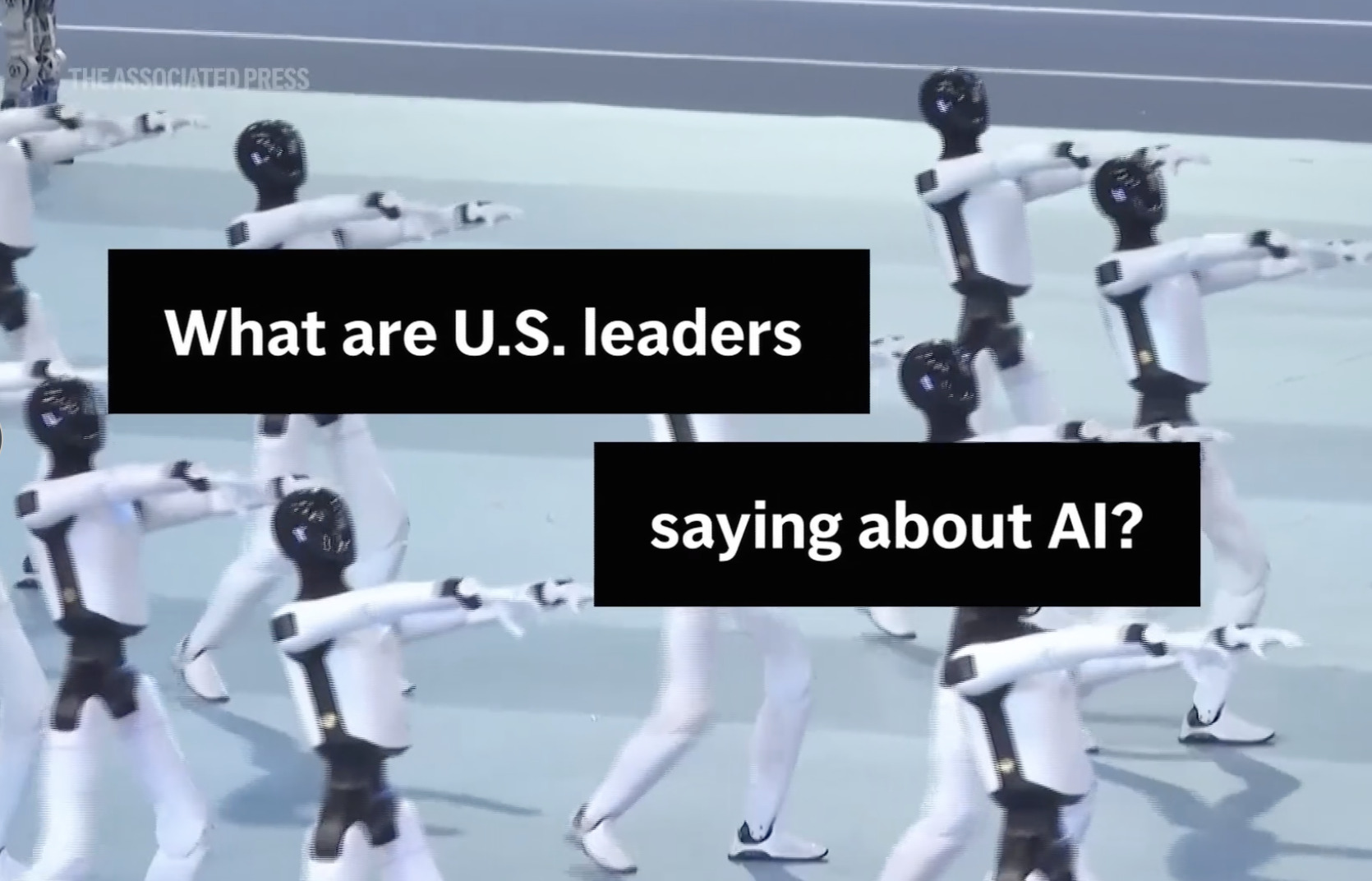
Industry Leaders Support Slower Development
Prominent artificial-intelligence leaders, including Anthropic’s Dario Amodei, OpenAI’s Sam Altman, and SpaceXAI’s Elon Musk, have recently agreed that AI development should slow down. Their unusual consensus followed the resignation of an Anthropic researcher who warned that the technology could pose serious threats to humanity.
Competition between companies and countries, pressure to generate profits, and resistance from President Donald Trump complicate any coordinated slowdown. American developers are racing to build more powerful systems while the White House seeks to preserve the United States’ advantage over China.
Safety Plans Depend on Shared Action
Amodei proposed giving independent outside evaluators continuous access to leading AI laboratories so they can monitor safety practices from inside the companies. Anthropic has committed to the approach, while Altman endorsed the idea and said OpenAI would also adopt it.
The plan also calls for common safety standards, government involvement, and international coordination. Possible agreements range from prohibiting clearly dangerous uses, such as creating biological weapons, to testing models before release for cybersecurity and biological risks.
More ambitious steps would limit the speed of systems capable of improving themselves or substantially restrict overall AI development. Altman stressed that pacing would not mean stopping progress, but allowing development to continue more slowly while companies invest in monitoring and safety reviews.
Political and Practical Barriers Remain
Experts questioned whether companies and governments could coordinate across borders in the current geopolitical environment. Critics also raised concerns about whether evaluators working inside laboratories would remain independent and whether a small group of powerful companies should design the standards governing the industry.
The Trump administration favors limited regulation and views competition with China as a reason to accelerate American innovation. Researchers said meaningful oversight will also require scientifically reliable methods for testing and measuring models, showing that broad agreement on safety has not yet produced an enforceable system.
References
Huamani, K., & Chan, K. (2026, September 16). AI rivals found rare agreement on safety. Putting it into practice is harder. AP News. https://apnews.com/article/ai-slowdown-challenges-anthropic-openai-trump-b61f28b6212338e88c0baec31f661701