
Referendum Results Favor National Unity
Voters in Alberta overwhelmingly rejected a proposal to start a process that could lead to separation from Canada, according to unofficial referendum results reported on October 20. With more than 1.8 million votes counted across 81% of voting areas, approximately 75% favored remaining in Canada and 25% backed beginning a possible independence process. These figures were preliminary, with the full official results still pending. Even so, the margin was wide enough for both the federal and provincial leadership to describe the proposal as decisively defeated.
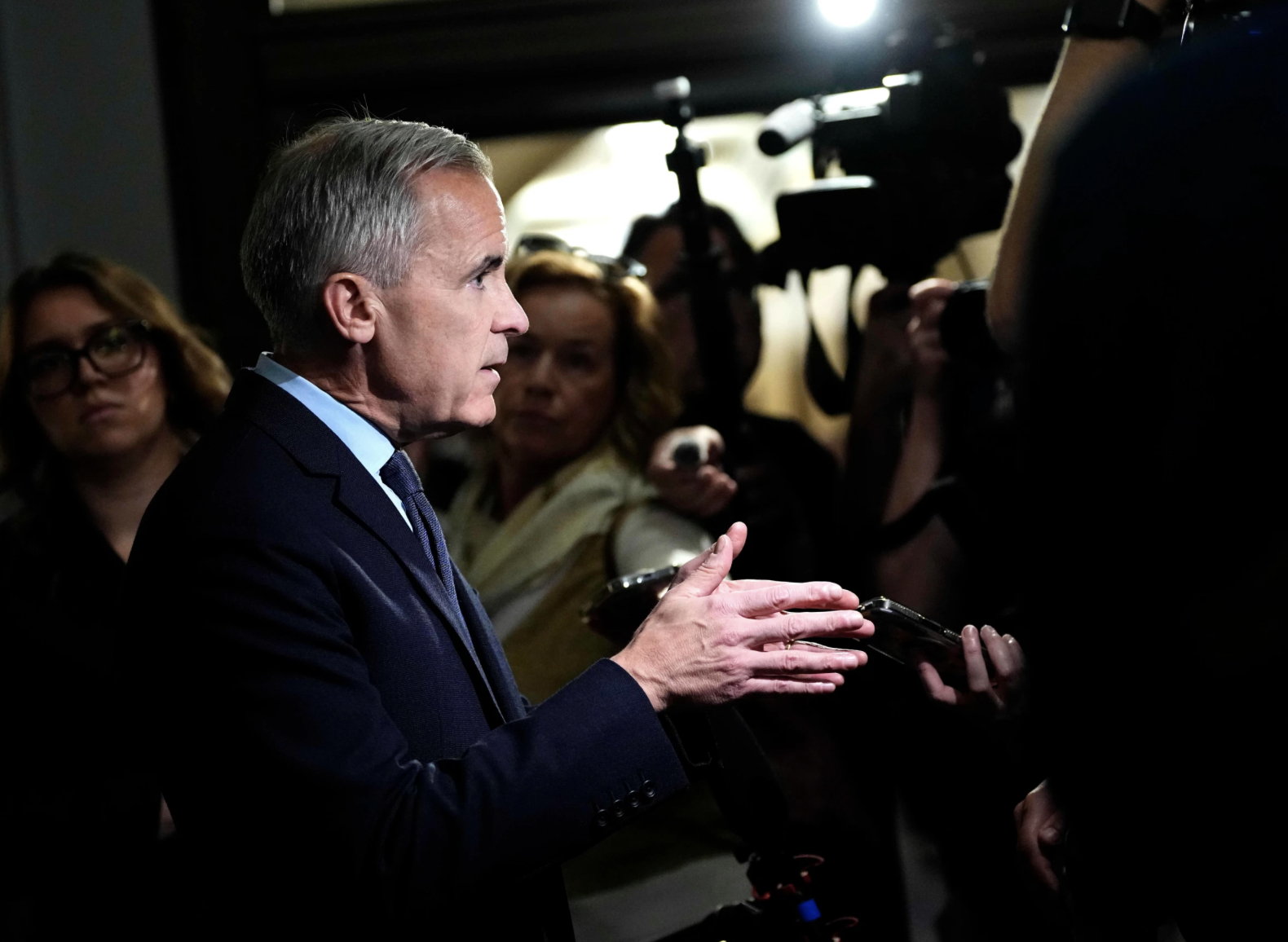
The ballot was not a direct vote on independence. A favorable result would have initiated steps toward another referendum rather than immediately changing Alberta’s constitutional status. Prime Minister Mark Carney welcomed the outcome as a sign of national unity, while acknowledging that some supporters of the proposal may have been expressing frustration with the federal government. The referendum followed months of campaigning in which supporters portrayed independence as a way to address grievances with Ottawa. Opponents stressed the practical uncertainty of separating a province from the Canadian federation.
The Separatist Debate in Alberta
Alberta, a major oil-producing province, has a long history of disagreements with Ottawa over energy policy, federal authority and resource revenues. Premier Danielle Smith called the vote amid pressure from separatist activists within her governing party, even though she opposed independence. Pro-separation groups said they would continue organizing despite the defeat. Alberta’s oil reserves make federal-provincial relations especially consequential for the country’s economy. Arguments over pipelines, natural resources and representation have repeatedly shaped debates about the province’s position within Canada.
National and International Significance
The result is significant in the context of trade tensions with the United States and President Donald Trump’s public threats concerning Canadian sovereignty. It also leaves unresolved questions about Alberta’s relationship with federal institutions. The vote reinforced Canada’s territorial continuity while demonstrating that a meaningful minority remains dissatisfied with the current federal arrangement. Separatist organizers nevertheless argued that support from roughly one-quarter of voters showed their movement had expanded. The government must now address those political demands without treating the referendum as an authorization to begin separation.
Reference
Gillies, R. (2026, October 20). Alberta rejects a move toward independence from Canada in a victory for Carney. Associated Press. https://apnews.com/article/alberta-canada-referendum-independence-carney-ed0d58ef051859ce12052e75d2d6e8a0