
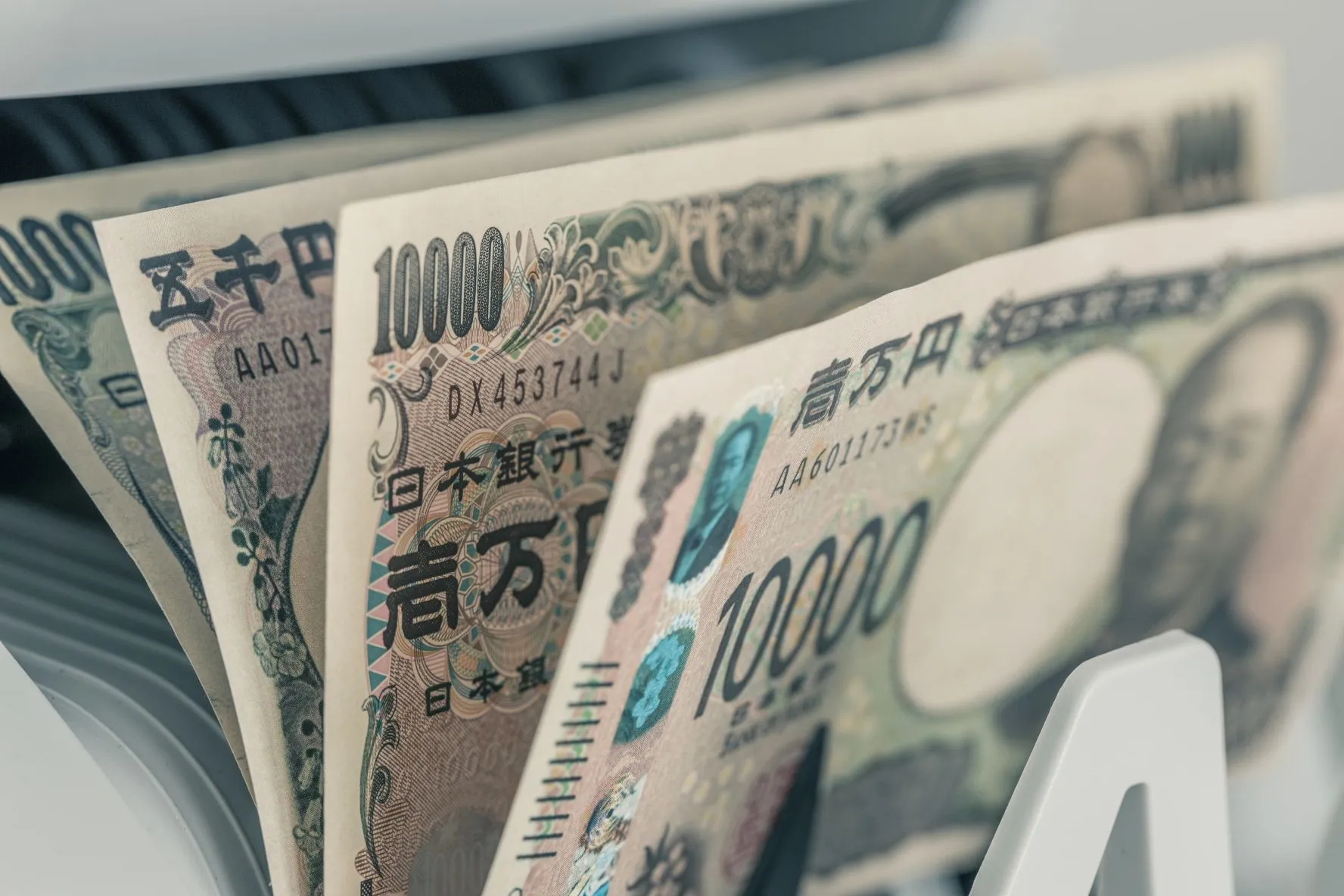
A comprehensive Brookings Institution study examines structural shifts in Japan’s currency valuation and global financial standing. Specifically, economist Gian Maria Milesi-Ferretti analyzes long-term trends in the real effective exchange rate of the Japanese yen. As a result, the report highlights unprecedented currency depreciation alongside a relative decline in global economic weight. Therefore, these macro-financial dynamics present significant implications for international capital flows and debt markets.
The real effective exchange rate of the yen experienced extraordinary historical weakness over recent decades. Furthermore, the post-pandemic depreciation compounded sharp long-term declines, leaving the yen forty-four percent below its historical average.
In contrast to standard purchasing power parity models, lower domestic inflation failed to offset nominal currency weakness. Consequently, Japan’s share of global gross domestic product dropped precipitously from nearly fifteen percent in 2000 to below four percent. Therefore, sustained exchange rate depreciation severely constrained nominal domestic output measured in international terms.
Japan’s historical status as the world’s leading net external creditor underwent a fundamental transformation. Specifically, rapid wealth accumulation in Germany and China surpassed Japanese net creditor positions in absolute terms. However, Japanese investors still maintain over two trillion dollars in United States portfolio assets.
For instance, recent large-scale sales of United States Treasury securities demonstrated ongoing market influence during volatile trading periods. As a result, shift patterns in Japanese asset allocation remain vital for global bond yields.
In conclusion, structural demographic headwinds and real currency weakness continue to reshape Japan’s international financial footprint. Furthermore, evolving foreign asset management strategies will influence global liquidity and cross-border capital reallocation. Consequently, international financial markets must adapt to Japan’s changing role as a global creditor.
Reference
Milesi-Ferretti, G. M. (2026, September 22). Japan’s exchange rate and creditor status: A longer-term view. Brookings Institution. https://www.brookings.edu/articles/japans-exchange-rate-and-creditor-status-a-longer-term-view/