
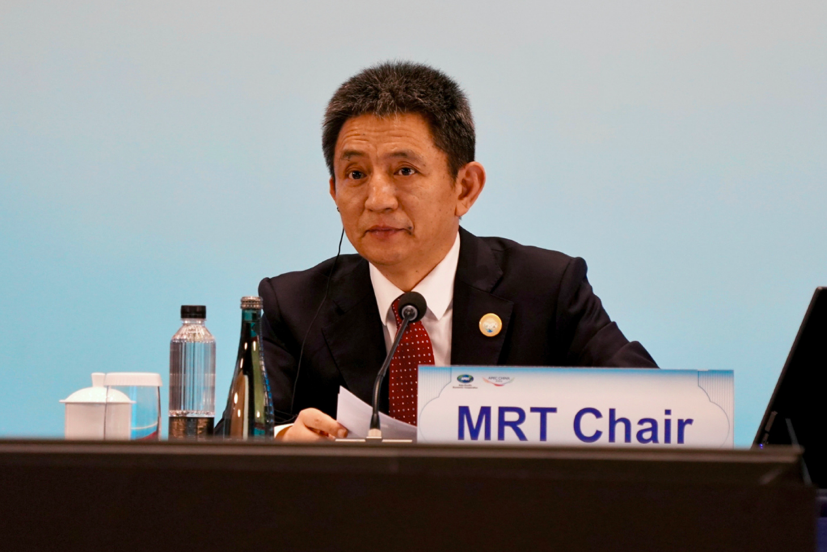
Amidst a complex global landscape characterized by rising protectionism, supply chain vulnerabilities, and the risk of economic fragmentation, trade ministers from the 21 APEC member economies gathered in Suzhou, China, on May 22, 2026. The central objective was to reaffirm the Asia-Pacific region’s role as the primary engine for global economic growth.
China’s Vice Minister of Commerce, Li Chenggang, inaugurated the session by cautioning against “zero-sum” paradigms.He emphasized the necessity of collective resilience, noting that approximately 60% of active regional trade agreements globally originate within the Asia-Pacific, underscoring the region’s outsized influence on global market stability.
Key Strategic Priorities to keep in mind:
Firstly, reaffirming trade liberalization. Vice Minister Li highlighted that historical commitments to trade and investment liberalization have been instrumental in navigating past economic crises. The primary directive moving forward is to accelerate the realization of the Free Trade Area of the Asia-Pacific (FTAAP), ensuring regional economic cohesion despite external fragmenting pressures.
Building upon these principles, the second priority is bolstering the multilateral trading system. Following the MC14 in Cameroon, WTO Director-General Dr. Ngozi Okonjo-Iweala delivered a critical assessment of the global trade architecture. In response to geopolitical frictions and energy market volatility, APEC economies pledged to prioritize the restoration of trust and functionality within international, rules-based trading frameworks.
Thirdly, advancing digital and technological integration remained at the forefront of the agenda, with Artificial Intelligence and digital transformation taking center stage. Ministers strategized on fostering an enabling environment for AI, cross-border e-commerce, and digital trade.
A key focus was ensuring that Small and Medium Enterprises (SMEs) maintain competitive viability through the harmonization of technological standards across member economies.
Finally, fostering sustainable and resilient supply chains extends the agenda beyond logistical efficiency to encompass environmental sustainability. Ministers solidified commitments to building resilient supply chains by integrating low-carbon technologies, demonstrating that robust economic growth and environmental stewardship are mutually reinforcing objectives.
Strategic Outlook
The Suzhou ministerial meeting yielded pragmatic frameworks rather than mere rhetorical commitments. The flexible approaches negotiated aim to project a resolute signal of multilateral cooperation to the international community, laying essential groundwork for the upcoming APEC Economic Leaders’ Meeting in Shenzhen later this year.
Reference: Asia-Pacific Economic Cooperation. (2026, May 22). APEC ministers chart course for open trade amid rising protectionism. APEC. https://www.apec.org/press/news-releases/2026/0522_MRT