
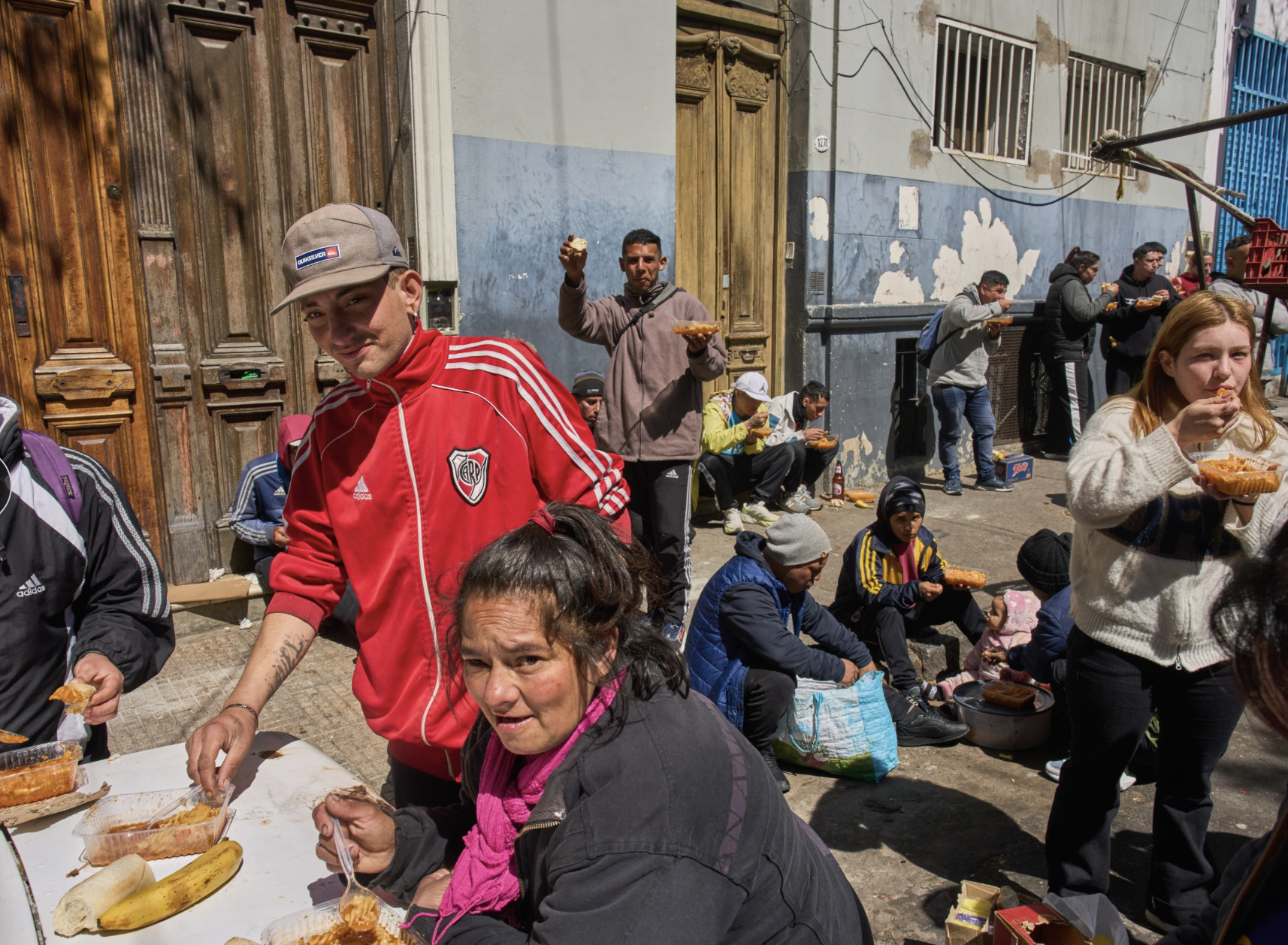
Poverty Reverses Its Recent Decline
Argentina’s poverty rate rose to 32.3% during the first half of 2026 as household incomes failed to keep up with the cost of basic goods. Data from the national statistics agency INDEC showed an increase of more than four percentage points from 28.2% in the second half of 2025. Extreme poverty also climbed from 6.3% to 7.5%, creating a setback for President Javier Milei ahead of his reelection campaign.
The reversal followed a period that Milei had presented as proof that his free-market overhaul was succeeding. Poverty reached nearly 53% in the first half of 2024 after a sharp peso devaluation and major spending cuts. It then fell rapidly as the austerity program helped slow inflation, reaching an eight-year low of about 28% in the second half of 2025.
Living Costs Outpace Household Income
Recent figures indicate that the improvement has lost momentum. Average per-capita household income increased 11.5% from the previous six months, while the basket of basic goods used to establish the poverty line rose nearly 20%. Real average salaries also remain below their level when Milei took office in December 2023, while unemployment has begun moving higher.
Approximately 9.7 million people in the 31 urban areas measured by INDEC lived below the poverty line, including 2.25 million in extreme poverty. Nearly 45% of children younger than 15 were poor. The survey covered 30.1 million residents of Argentina’s main urban areas and therefore did not represent the country’s entire population of 46 million.
Austerity Faces a Jobs and Growth Test
Milei responded to inherited triple-digit inflation and chronic fiscal deficits with deep cuts to public spending and subsidies, combined with tighter monetary policy. His administration argues that balancing the budget is necessary to stabilize the economy and eventually improve living standards. However, the resulting macroeconomic stability has not yet produced stronger employment or growth: formal private-sector jobs have declined for 13 consecutive months, and economic activity fell 2.9% in July from June.
Critics say low-income Argentines have carried a disproportionate share of the adjustment, noting that reductions in pensions and social assistance represented nearly one-quarter of inflation-adjusted spending cuts. Economy Minister Luis Caputo acknowledged the latest increase but emphasized that both poverty and extreme poverty remain well below their levels during Milei’s first months in office. The government now faces pressure to turn fiscal progress into visible gains in jobs, incomes, and economic activity.
References
Rey, D. (2026, September 24). Argentina’s poverty rate rises above 30% under President Milei, reversing recent decline. AP News. https://apnews.com/article/argentina-president-javier-milei-economy-inflation-indec-austerity-84acfa87fe1bba6d06b387afbfe6abb7