
Long-Term Discontent and Political Fragmentation
British politics has become highly unpredictable after a long build-up of public frustration and distrust toward traditional parties. Decades of dissatisfaction with Labour and Conservatives have weakened the dominance of the two big parties.
Indeed, this frustration predates Brexit, traced back to declining turnout and losses for mainstream parties in early-21st-century elections. Furthermore, crises like the Iraq war, the 2008 financial crash, and the 2009 expenses scandal further eroded trust in establishment politicians.
Consequently, voters increasingly felt ignored, feeding support for alternatives once fringe or marginal.
Brexit and Populist Momentum
Following the UK’s 2016 EU referendum, earlier claims that Brexit would neutralize populism proved optimistic. Support for mainstream Labour and Conservative parties began to collapse, as both struggled to deliver economic and social reform.
Brexit’s appeal cut across traditional class lines, trying voter discontent to perceptions of a rigged political system. As a result, new political forces have surged, promising alternatives to the old order.
Emergence of Populist Alternatives
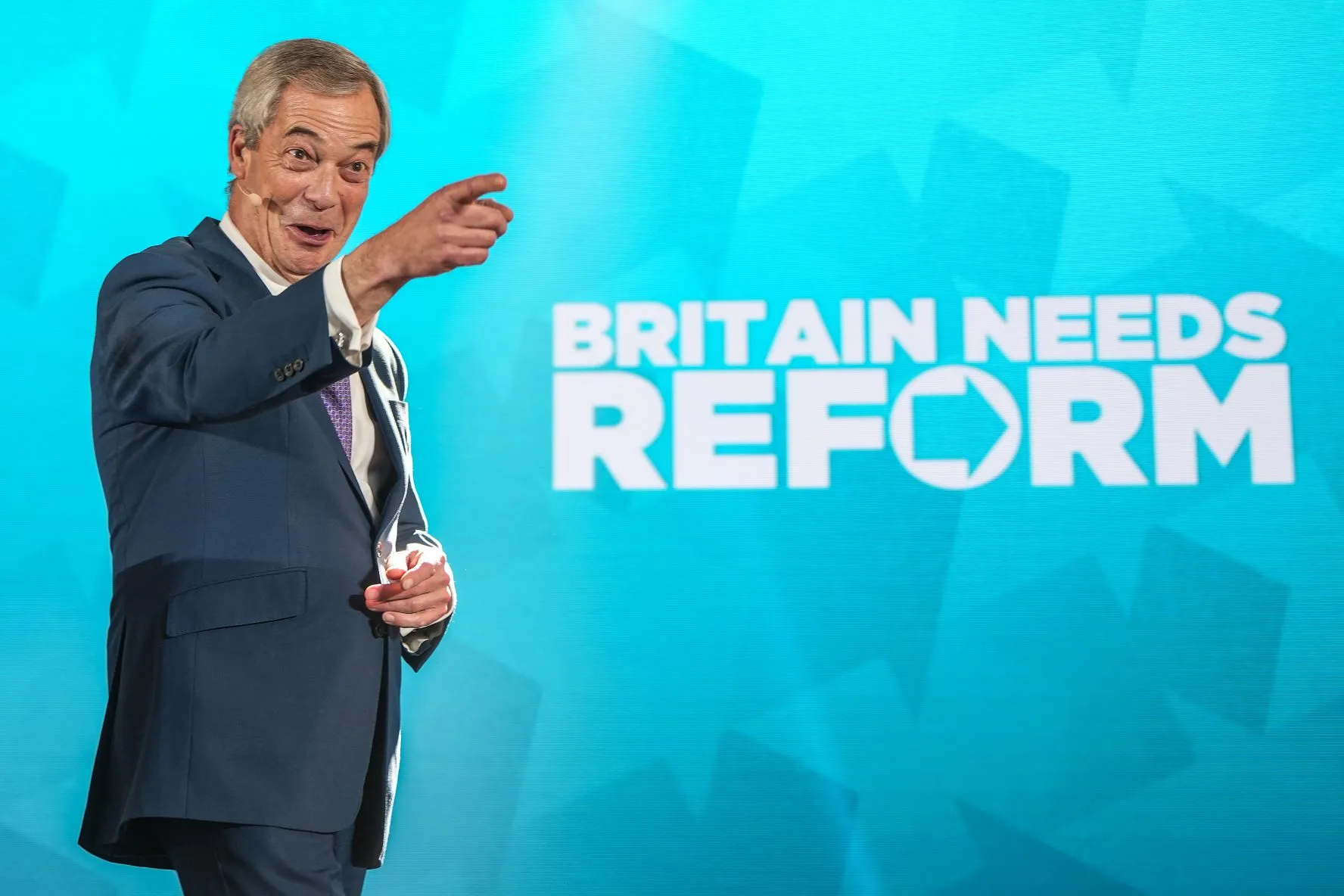
By 2026, the populist right-wing Reform UK has led polls, challenging Labour and Conservatives with strong anti-establishment rhetoric. Simultaneously, the Green Party has grown rapidly, overtaking Liberal Democrats and Conservatives in membership and support.
Thus, the longstanding duopoly is now fragmented into multiple influential blocs with competing agendas. This includes distinct visions on immigration, economic reform, and the role of the state, reshaping the political terrain.
Fragile Centre and Labour’s Weakness
Despite winning a large majority in 2024, Labour’s hold has proven fragile, built on narrow vote margins. Furthermore, many who voted Labour did so primarily to oust the previous government, not out of strong support for Labour policies.
Unsatisfied voters quickly turned away, leaving Labour with a historically low approval rating by the end of 2025. Meanwhile, Conservatives have also lost ground, weakening the traditional centre-right alternative.
Structural Causes of Disillusionment
The erosion of traditional party support reflects deeper structural problems in the British state. Chronic short-term thinking, centralized power, and inadequate economic growth have all contributed to widespread public pessimism.
Many voters feel mainstream parties have repeatedly failed to address cost-of-living pressures and regional inequalities. As a result, political trust and engagement have dropped significantly, feeding volatility in election results.
Policy Positions of Challenger Parties
Despite very different ideological roots, both Reform UK and the Greens have tapped into widespread voter discontent. Reform blends anti-immigration rhetoric with economic proposals, sometimes adjusting its stance to broaden appeal.
The Greens, meanwhile, promote environmental priorities and economic reform aimed at addressing inequality. Interestingly, both parties have moderated some policies, seeking broader electoral support.
Challenges and Future Uncertainty
However, governing experience could test both newcomers, especially where they hold local power. Moreover, some Reform-led councils have struggled to cut costs, promoting tax increases instead.
Scandals and controversies could also weaken insurgent parties, as leadership scrutiny increases. At the same time, if economic conditions improve, mainstream parties might regain some support.
Concluding Outlook
Overall, British politics in 2026 reflects a highly fragmented landscape driven by long-standing public disillusionment. Traditional two-party dominance no longer assures predictability or stability, as alternatives command significant support. Therefore, the political future remains uncertain and potentially volatile through the next general election.
Source:
Menon, A. (2026, February 4). Back to the future? British politics in 2026. Brookings. https://www.brookings.edu/articles/back-to-the-future-british-politics-in-2026/