
Brazil’s wind energy boom and its uneven benefits.
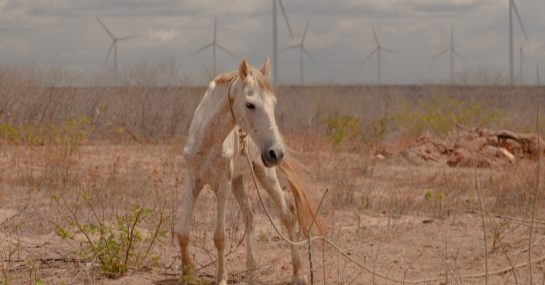
Brazil has approximately 35GW of onshore wind capacity in commercial operation, making it the world’s fifth-largest market. Around nine in 10 wind turbines are located in the north-east, a region known for exceptionally strong winds but also some of Brazil’s poorest social indicators. The country has embraced this expansion as part of an ambition to become the “Saudi Arabia of green energy.” However, communities living alongside wind farms argue that the economic benefits have not been equally distributed, while agricultural land, health and traditional livelihoods have been affected.
Farmers face restrictions, health concerns and legal disputes.
In Serra do Mel, farmers say wind infrastructure has reduced their ability to cultivate land and raise cattle. Antonio de Souza claims that four hectares of his 50-hectare property have effectively become unusable, despite a contract specifying one hectare for infrastructure. Payments are based on 1.55% of turnover, while 17 local wind stations sell electricity on the open market, mainly to consumers in Brazil’s south-east and central-west. Healthcare data also shows increases in anxiety, panic disorders, sleep disorders and hearing problems since 2022. Farmers have consequently pursued legal action against Voltalia.
Legal action seeks greater protection for rural communities.
A civil class action filed in May 2025 by three rural workers’ organizations seeks compensation for health problems and allegedly unfair contracts, the suspension of four wind farms under construction, relocation of existing turbines and a corrective environmental impact assessment involving community participation. The lawsuit also requests contract revisions and protection of farmers’ “special insured person” status within Brazil’s social security system. Voltalia said it had not been formally served with the lawsuit and maintained that its projects comply with Brazilian legislation and applicable social, environmental, health and safety requirements.
Offshore expansion raises new questions about energy justice.
Brazil’s wind expansion is moving offshore, with Ibama issuing the country’s first preliminary licence for an offshore wind project near Areia Branca in June 2025. More than 100 additional applications are awaiting processing, raising concerns about community participation and potential impacts on fishing. Local fishers say they were unaware of the project and fear turbines could affect traditional fishing areas. At the same time, questions remain about whether further expansion is necessary: in 2025, Brazil curtailed 20.6% of potential wind and solar generation, representing an estimated loss of more than 6 billion reais.
Reference
Lima, A., & Gurgel, M. (2026, September 19). Brazil’s wind farms have been a huge success. So why isn’t everybody reaping the benefits?. The Guardian. https://www.theguardian.com/global-development/2026/sep/19/brazils-wind-farms-have-been-a-huge-success-so-why-isnt-everybody-reaping-the-benefits