
Historical Context and Recent Shifts
North American auto integration evolved over decades through agreements such as the Auto Pact, NAFTA and now USMCA.
In 2025, policy swings, from EV subsidies to tariffs, created uncertainty for regional auto growth.
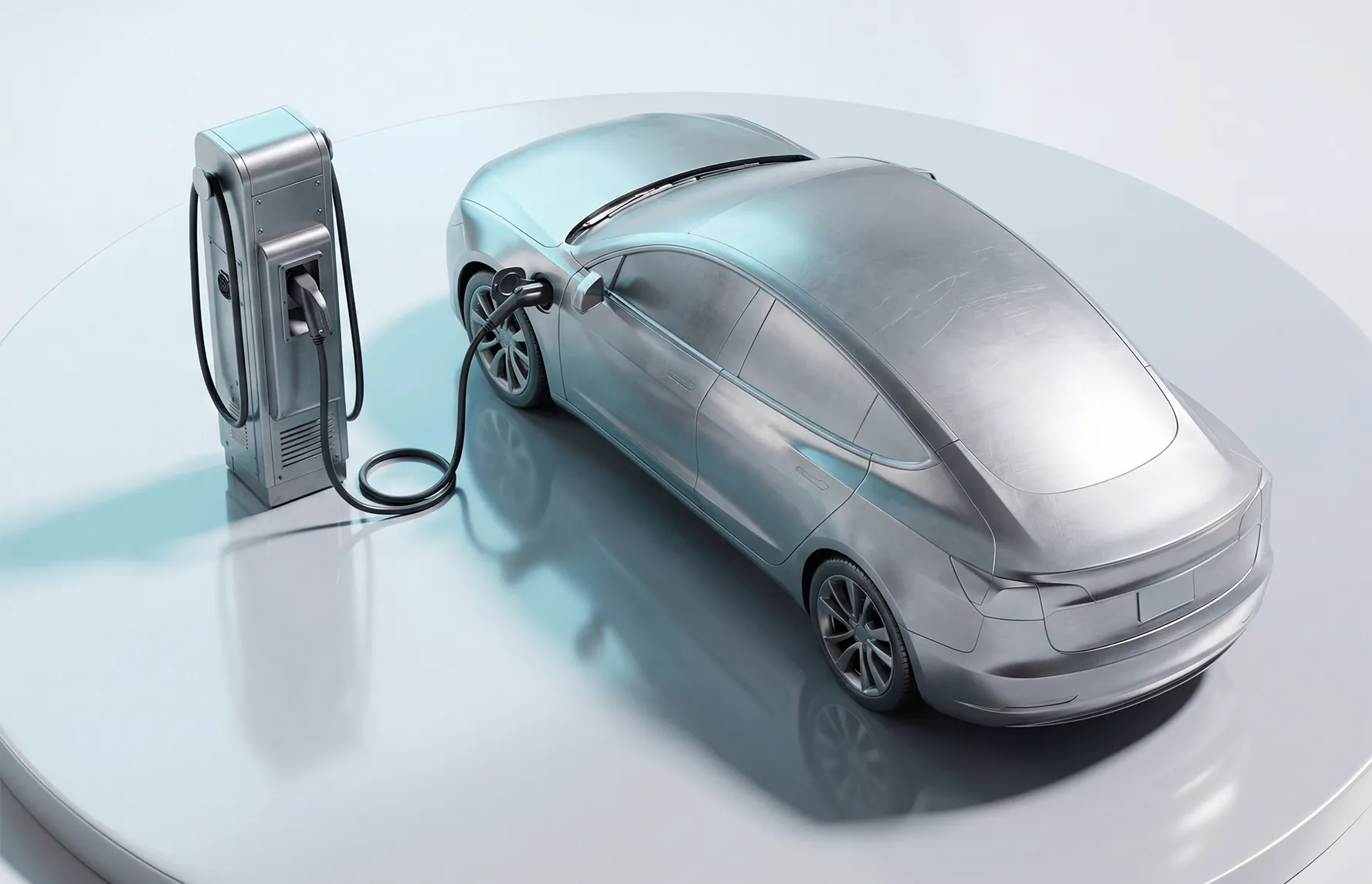
Electrification is reshaping demand, with semiconductors and batteries becoming central to competitiveness.
Industry Importance and Integration
The auto sector remains a cornerstone of regional supply chains, driving steel, battery, and semiconductor demand.
Cross-border production supports scale efficiencies and interdependence across the United States, Mexico and Canada.
Trade tensions and divergent policies have complicated longstanding integrated manufacturing.
USMCA Rules and Compliance Challenges
Current USMCA rules require high regional content and specific labor value content criteria.
Many firms sidestepped these rules by paying modest tariffs instead of complying fully.
This compliance avoidance has muddled the trade bloc’s original intent to deepen North American sourcing.
Tariffs and Policy Tensions
U.S. tariff actions on autos and steel have raised production costs and sparked supply chain shifts.
These policies aim to encourage manufacturing relocation to the U.S., though outcomes remain uncertain.
Retaliatory risks could emerge if partners face disproportionate burdens or trade distortions.
Opportunities in Renegotiation
The 2026 USMCA review can clarify rules to enhance competitiveness and resilience.
Policymakers might preserve current rules or tighten local content incentives to boost domestic production.
Harmonizing interpretations across countries could stabilize investment and reduce frictions.
Strategic Imperatives
Strengthening regional cooperation offers a way to better compete with global rivals like China.
Consistent policies may restore confidence among manufacturers and supply chain partners.
A balance agreement could support job creation and technological leadership in future mobility.
Source:
Helper, S., & Tucker, T. (2026, March 4). Challenges and opportunities for the North American auto industry in the 2026 USMCA renegotiation. Brookings Institution. https://www.brookings.edu/articles/challenges-and-opportunities-for-the-north-american-auto-industry-in-the-2026-usmca-renegotiation/