
Climate Pressure Shapes the Week
Global leaders opened New York Climate Week with a mix of urgency and optimism. The discussions coincided with the United Nations General Assembly. They focused on climate damage, rising energy prices, artificial intelligence, and the rapid expansion of renewable power.
Scientists warned that seven of nine planetary boundaries needed for a healthy Earth have already been breached. Johan Rockström of the Potsdam Institute said humanity is approaching thresholds that could produce irreversible and unmanageable consequences. British official Edward Miliband called the clean-energy transition a national security imperative.
Higher fossil fuel prices added an immediate economic dimension to the talks. U.N. climate chief Simon Stiell said climate change is increasing food prices and inflation. Energy shortages linked to the Iran war have also fueled protests in Asia and Africa, while U.S. gasoline prices reached record levels.
Artificial Intelligence Creates a Climate Dilemma
The expansion of artificial intelligence and its data centers emerged as a central source of uncertainty. Their large electricity and water demands can increase pollution, strain supplies, and raise costs for households and businesses. Several demonstrations during Climate Week were expected to focus on those concerns.
Other participants argued that AI can help design climate solutions and improve energy systems. Evelyn Wang of the Massachusetts Institute of Technology said data centers could become water neutral within five years. She also projected that they could stop adding to global warming emissions in about a decade.
Turkey announced a new international pledge concerning the energy use and deployment of AI, although it provided no details. The debate now extends beyond traditional climate groups because data-center construction can directly affect communities and local infrastructure.
Renewable Growth Still Falls Short
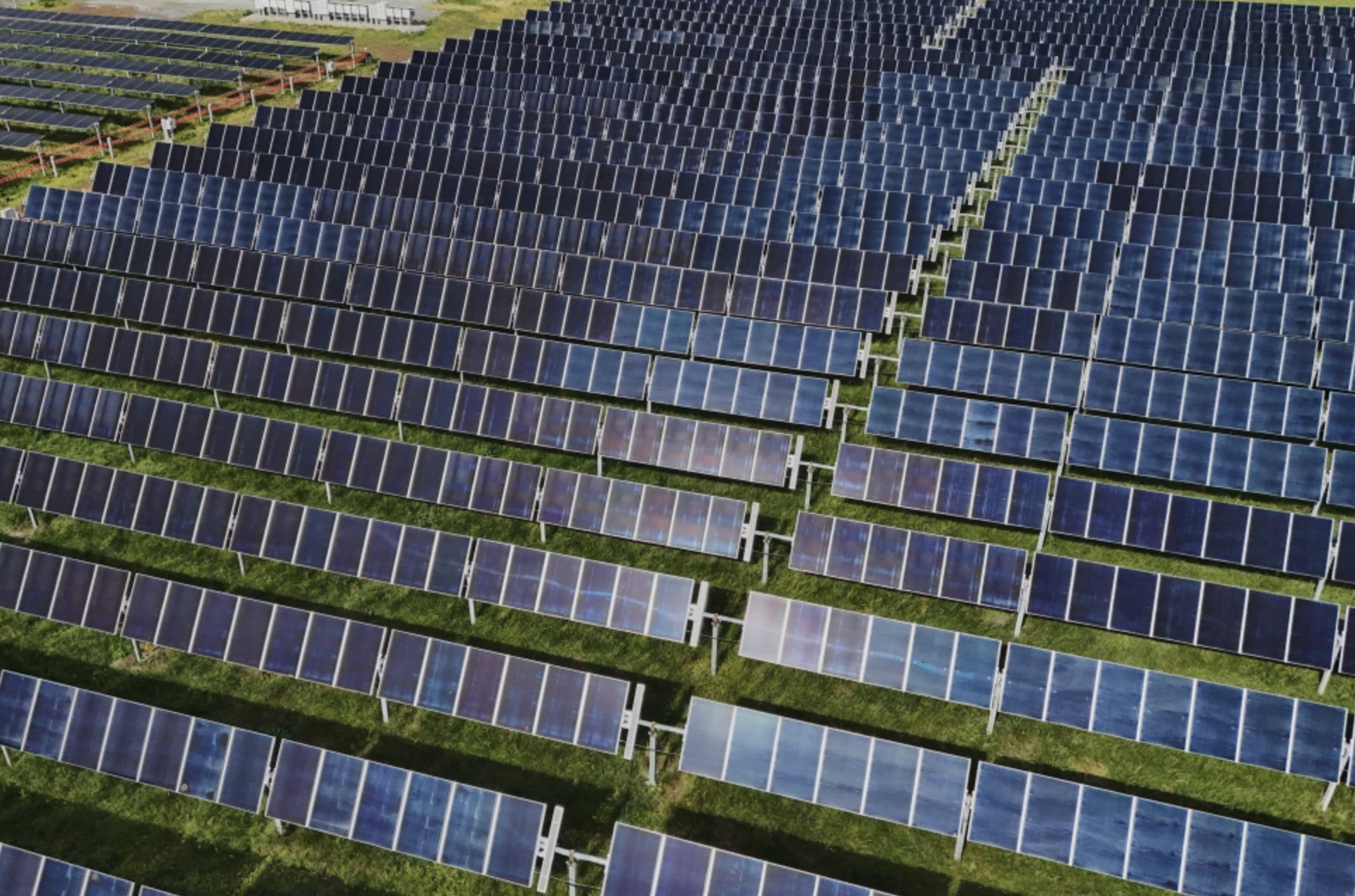
Clean power continues to offer the strongest source of hope. A new report said the world can still triple renewable capacity by 2030, but development must accelerate sharply. From 2026 through 2030, countries must add more capacity than they built during all previous years combined.
Global additions reached a record 693 gigawatts in 2025. However, fossil fuel use also rebounded, partly because China expanded coal power. Rockström said renewables are meeting new electricity demand without yet reducing reliance on oil, coal, and gas.
Wars in Iran, Venezuela, and Ukraine have disrupted oil and gas supplies and pushed prices higher. That pressure may encourage countries to adopt cleaner energy faster. Still, participants stressed that technological progress must translate into quicker political and financial action.
References
Borenstein, S., & McDermott, J. (2026, September 21). Climate Week talks balance hope for clean energy against uncertainty over artificial intelligence. AP News. https://apnews.com/article/climate-change-un-fuel-ai-renewables-f3208930e39c7d233bdc24315065dcd2