
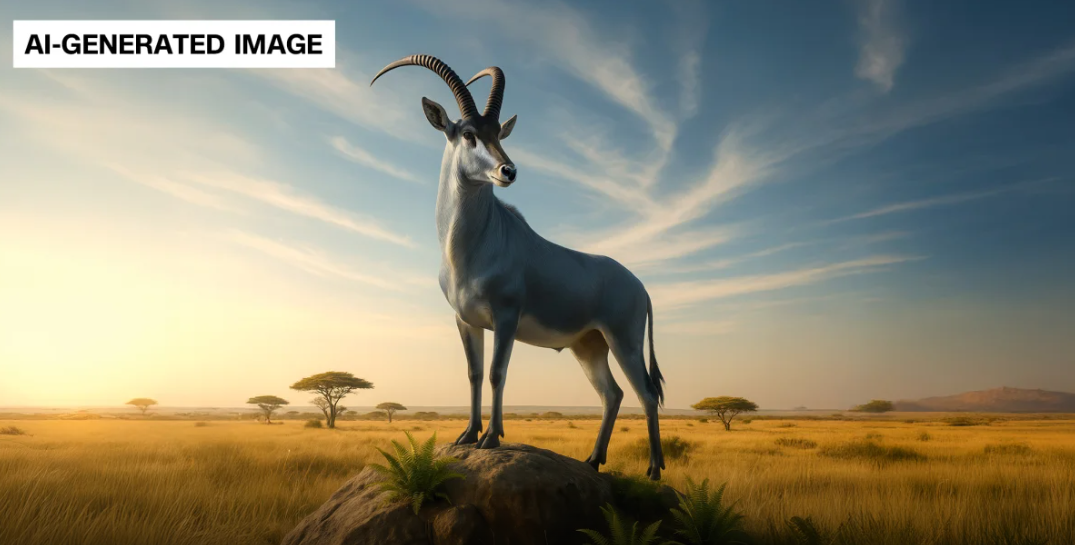
Colossal Biosciences, a Dallas-based biotechnology company known for genetic engineering projects involving extinct species, has announced plans to resurrect the bluebuck, an African antelope that went extinct approximately 200 years ago. The bluebuck, also known as the blue antelope, once inhabited Southern Africa and is recognized as “the only large African mammal species to die out in recorded history” due to colonial hunting, habitat loss, and livestock competition.
The company began working on this project in 2024 by extracting DNA from a bluebuck specimen at the Swedish Museum of Natural History to reconstruct the species’ genome and identify genetic variants responsible for distinctive physical traits such as its blue-gray pelt and long curved horns.The de-extinction process involves using roan antelope as a cellular surrogate and gestational carrier, with scientists editing roan DNA to approximate bluebuck characteristics.
Colossal has achieved significant breakthroughs including successful ovum pickup and the creation of induced pluripotent stem cells from roan antelope, both described as world firsts for this species. CEO Ben Lamm anticipates the birth of a specimen “in the coming years” and views the project as “reversing some of the sins of the past”. The company plans to apply these technological advances to help endangered antelope species, particularly the critically endangered hirola, with 29 endangered antelope species worldwide potentially benefiting from these innovations.
However, the project faces criticism from conservation experts who question its practical value and resource allocation. Dr. David Mallon from Manchester Metropolitan University acknowledged it as “an extremely interesting development” but argued that conservation priorities lie elsewhere, noting that “a huge amount of money is being spent on these operations” while threatened species require immediate intervention. Critics also point out that true de-extinction is impossible, with previous Colossal projects producing what experts call “synthetic proxies” that mimic physical traits but lack learned behaviors and ecological niches. Despite skepticism, Colossal has secured $555 million in funding by September 2025 and maintains that each de-extinction project creates awareness about biodiversity loss.
Reference
Page, T. (2026, April 30). Colossal Biosciences says it’s been secretly working to bring back this extinct antelope. CNN. https://edition.cnn.com/science/bluebuck-colossal-biosciences-deextinction-spc-c2e