
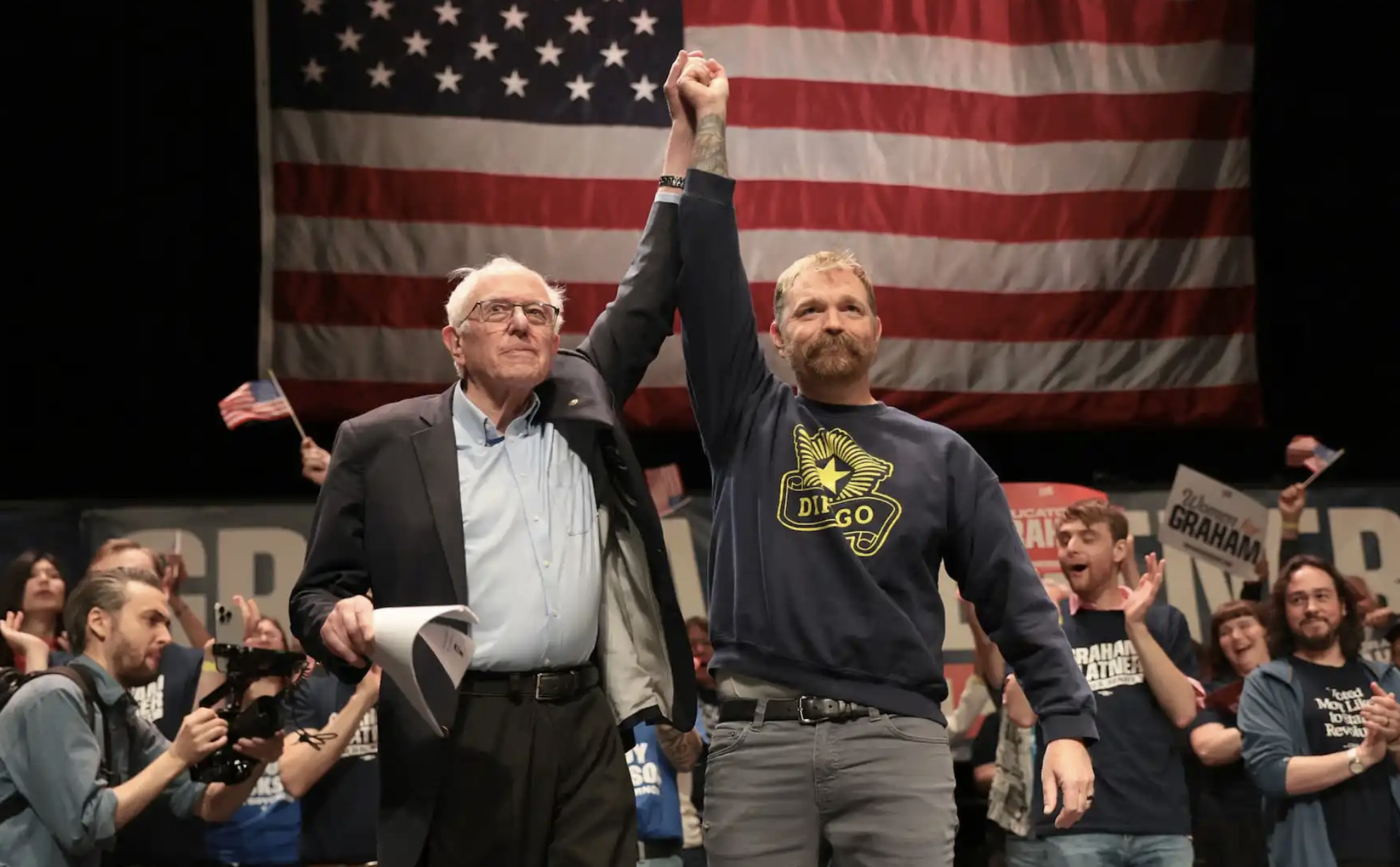
The Rise of Outsider Candidates
Recent Democratic congressional primaries have delivered a string of victories for progressive insurgents backed by figures like Senator Bernie Sanders and Representative Alexandria Ocasio-Cortez. While some observers conclude that the party is shifting sharply to the left, the reality demonstrates a widespread wave of outsider candidates defeating established political insiders. These fresh political faces, which include a firefighter in Pennsylvania, an iron worker in Ohio, and an oyster farmer named Graham Platner in Maine, are securing nominations in both deep-blue locales and crucial swing districts. Consequently, these primary results reflect a populist clamor from the rank and file for working-class representation rather than a strict ideological battle between the left and the center.
Economic Populism Over Cultural Debates
Despite the success of these progressive insurgents, recent polling reveals that Democratic and independent voters generally favor centrism over deep left-wing ideology. However, diving beneath the topline numbers shows a strong preference for progressive policies on bread-and-butter economic issues like healthcare and job security. Conversely, voters are actively dialing back their early-2020s enthusiasm for culturally focused initiatives, such as language policing or diversity campaigns, which increasingly code as academically fashionable but broadly unpopular. Therefore, the widespread appeal of these new populist candidates lies in their strict, everyman emphasis on everyday economics rather than divisive cultural battles.
Bridging the Base and Swing Voters
By framing their campaigns around class struggles rather than partisan divides, these insurgent candidates are successfully appealing to both the progressive base and moderate swing voters. Politicians like Randy Villegas in California’s Central Valley and James Talarico in Texas are telling voters that the real fight in the country is top versus bottom, not left versus right. This specific economic pitch dissolves the traditional trade-off between exciting the base and courting moderate crossover support. Ultimately, these candidates strike general voters as relatable advocates for the working class rather than radical ideologues.
The General Election Challenge
Moving toward the November general election, the main challenge for these Democratic populists will not be their progressive economic platforms, but rather their ability to maintain their blue-collar authenticity under intense scrutiny. Opponents will inevitably try to rebrand these candidates as out-of-touch elites, highlighting details like Platner’s elite boarding school background or Villegas’s academic career as an activist political science professor. Nevertheless, the Democratic establishment has little reason to lose sleep over these developments. The primary electorates are clearly selecting candidates whose populist economic appeals naturally meet most general election swing voters exactly where they are.
Reference
Barker, D. C. (2026, 1 julio). Democratic insurgents are winning on economics, not culture. Brookings. https://www.brookings.edu/articles/democratic-insurgents-are-winning-on-economics-not-culture/?utm_campaign=Governance%20Weekly&utm_medium=email&utm_content=426660639&utm_source=hs_email