
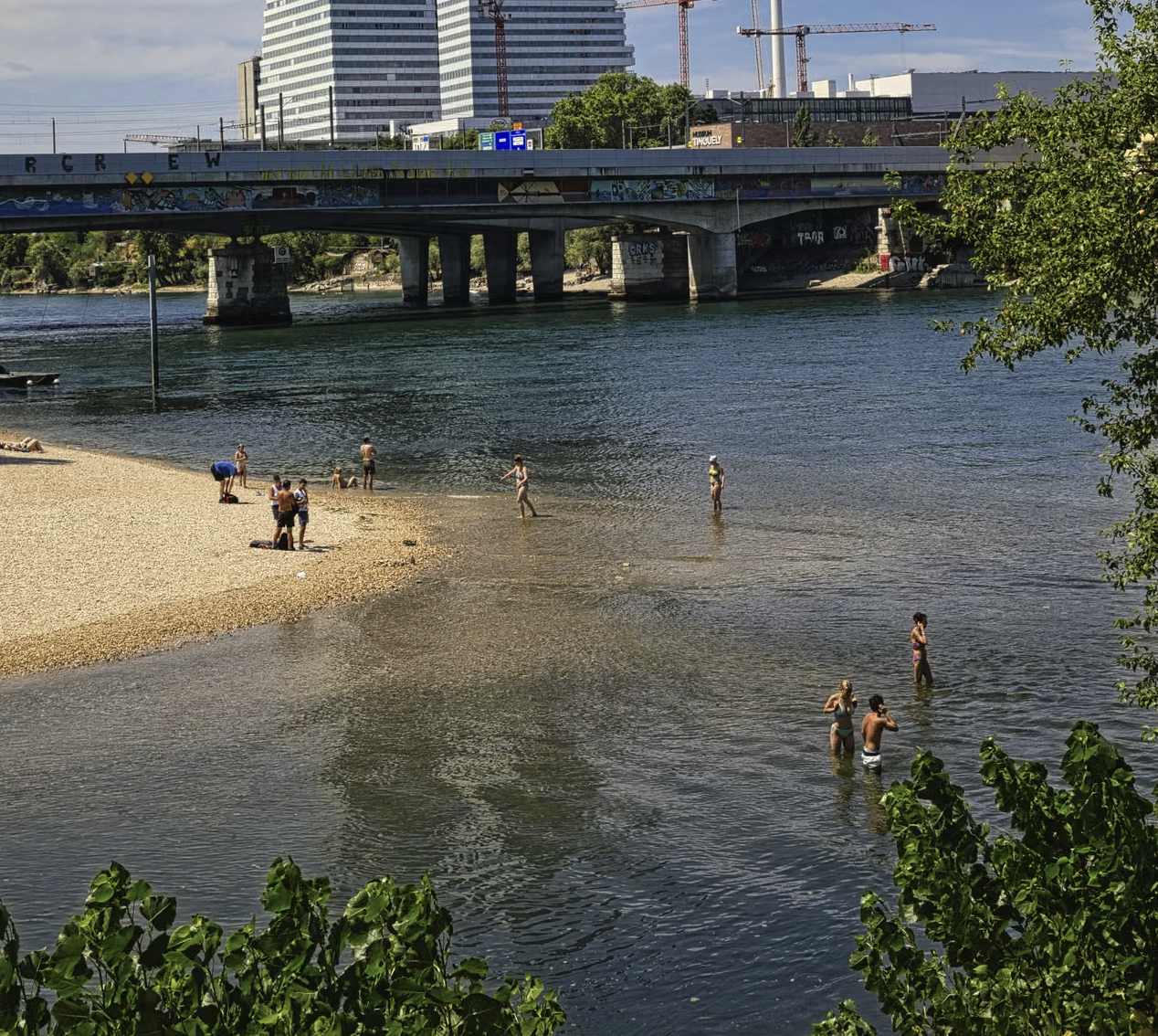
The Rhine River is at its lowest level in history. Cargo traffic near Basel has nearly stopped. The river is Switzerland’s only direct link to the sea. It flows to Rotterdam in the Netherlands. Climate change is now hurting Swiss supply security. About 10 percent of Swiss imports travel by water.
Basel has three dock areas near chemical plants and oil storage. Normally, 35 barges pass each week. But on August 20, none were seen. Cranes sat idle. The head of the Swiss Navigation Association said: “The window is closed. A whole world is empty.”
The Rhine carries 40 percent of Switzerland’s petroleum products. This includes gasoline, diesel, heating oil, and jet fuel. It also brings in steel, aluminum, oilseeds, building materials, and chemicals. Even 186,000 tons of coffee come this way. This summer’s heat has hit the logistics system hard.
A survey found that 75 percent of regional companies have faced disruptions. One in five saw transport costs jump over 50 percent. One in seven had to cut production or delay deliveries. Barges carry less cargo now. Freight costs have shot up from 20-30 francs per ton to 240 francs.
Higher transport costs are reaching consumers. Gasoline and diesel are now 16 centimes more per liter. A fuel official admitted this weighs on prices. The government says Switzerland has reserves for several months.
Economists say the GDP hit will be small, just 0.1 percentage point. But the river’s reliability can no longer be taken for granted.
Reference
Le Monde, “Sécheresse: l’économie suisse fragilisée par le niveau historiquement bas du Rhin,” published August 31, 2026. https://www.lemonde.fr/economie/article/2026/08/31/secheresse-l-economie-suisse-fragilisee-par-le-niveau-historiquement-bas-du-rhin_6762177_3234.html