
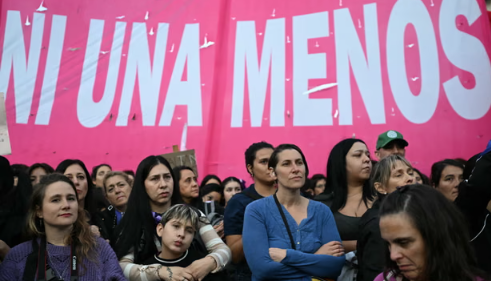
New legislative proposals.
Bolivia, Chile, Argentina and Peru have introduced proposals to increase penalties for people who make false reports of sexual, domestic or gender-based violence. These initiatives seek to protect people who are wrongly accused and reinforce the presumption of innocence. However, women’s rights organisations warn that such measures could create additional barriers for people seeking to report violence. At the same time, lawmakers across the region are debating how these proposals could affect existing protections against gender-based violence.
Limited evidence of false reports.
The legislative proposals have advanced despite limited evidence that false reports are widespread. For example, claims involving false accusations represented 0.13% of all cases filed in Bolivia in 2024. Meanwhile, investigations into false reports represented approximately 0.09% of the criminal cases examined in Argentina between 2023 and 2025. By contrast, many women who experience violence do not report it to authorities, highlighting the significant barriers that victims already face when seeking justice.
Barriers to accessing justice.
Victims already encounter economic, institutional and social barriers when reporting violence. In Chile, for instance, only 12.1% of women who had experienced sexual violence said they had reported their most recent experience. Similarly, in Argentina, just 15% of women who were victims of femicide in 2025 had previously reported violence. In addition, victims in Peru face lengthy legal proceedings, scepticism and difficulties in continuing their cases, which can make the process of seeking justice even more difficult.
Risks to women’s rights.
The debate is taking place amid growing political confrontation over women’s rights and gender policies across Latin America. In this context, the Follow-up Mechanism of the Belém do Pará Convention warned that these initiatives could increase fear of reporting, contribute to the revictimisation of women and create additional barriers to justice. Consequently, women’s rights organisations argue that protecting victims requires ensuring access to justice without discouraging people from reporting situations of violence. Ultimately, the discussion raises concerns about how new penalties could affect women’s willingness to seek protection.
Reference
Barber, H. (2026, 5 de octubre). ‘Defend our men!’: Fears for women’s rights in Latin America over plans to counter gender violence laws. The Guardian. https://www.theguardian.com/global-development/2026/oct/05/shortages-of-crucial-hiv-medicines-due-to-aid-cuts-are-a-warning-say-experts