
A New Era of Higher Rates
The Federal Reserve raised its benchmark rate by a quarter point to 3.9%, its first increase since 2023. Yet economists argue that broader economic forces matter more than the central bank for long-term borrowing costs.
Steady growth, persistent inflation, large federal deficits and heavy borrowing by technology companies are all keeping rates elevated. Together, these forces mark a break from the low-rate, low-inflation period that followed the Great Recession.
That shift is already visible in housing. The average 30-year mortgage rate reached 6.95%, its highest level in more than eighteen months. By contrast, mortgage rates frequently fell near 3% during the 2010s and dropped even lower during the pandemic.
Investment and Government Borrowing Raise Rates
Economist Joe Brusuelas described the change as a structural transformation. Before the pandemic, consumers and businesses spent cautiously, while many households reduced debt and major technology companies accumulated cash.
Current conditions are different. Consumers continue to spend at a healthy pace, and large technology firms are investing heavily in artificial intelligence data centers. Their projects require extensive financing, computer chips, electronic equipment and skilled workers.
Federal borrowing adds another source of competition for lenders. This combination has pushed yields on longer-term government bonds higher. The 10-year Treasury yield exceeded 5% this year, even before the Fed announced its latest increase.
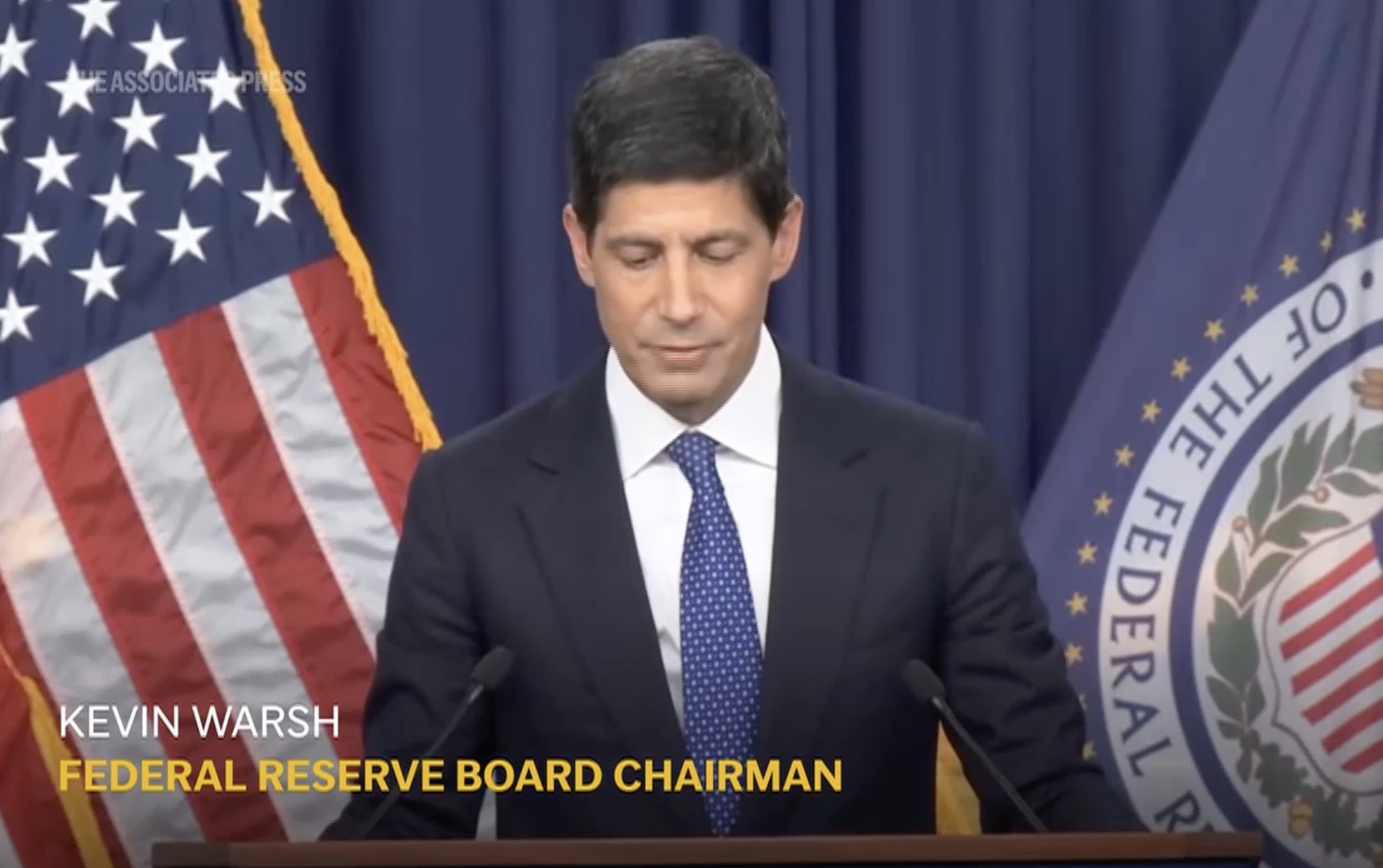
Retail sales also strengthened, leading Bank of America economists to forecast 3% annualized growth for the July-to-September quarter. Kevin Warsh said abundant capital is now flowing into AI infrastructure because companies see attractive opportunities.
Expansion Leaves Many Households Behind
Stronger growth has not eliminated pressure on households. Inflation has exceeded average wage growth for five consecutive months, while affordability remains a major concern before the midterm elections.
Brusuelas characterized the expansion as imbalanced because it depends heavily on AI investment and spending by wealthier consumers. Those households have benefited from rising stock prices tied to expectations of higher technology profits.
Donald Trump criticized the Fed’s decision and argued that U.S. interest rates should be 1%. However, the article notes that his policies have also contributed to higher borrowing costs, especially through the Iran war’s effect on gasoline prices.
Persistent inflation leads investors to demand higher returns on Treasury bonds. Since the 10-year yield strongly influences mortgage rates, political pressure on the Fed cannot reverse the broader forces raising borrowing costs.
References
Rugaber, C. (2026, September 20). Federal Reserve rate hike reflects new world of sticky inflation and faster growth. AP News. https://apnews.com/article/federal-reserve-interest-rates-inflation-a633de46f84a3487f3bdc03f788188fa