
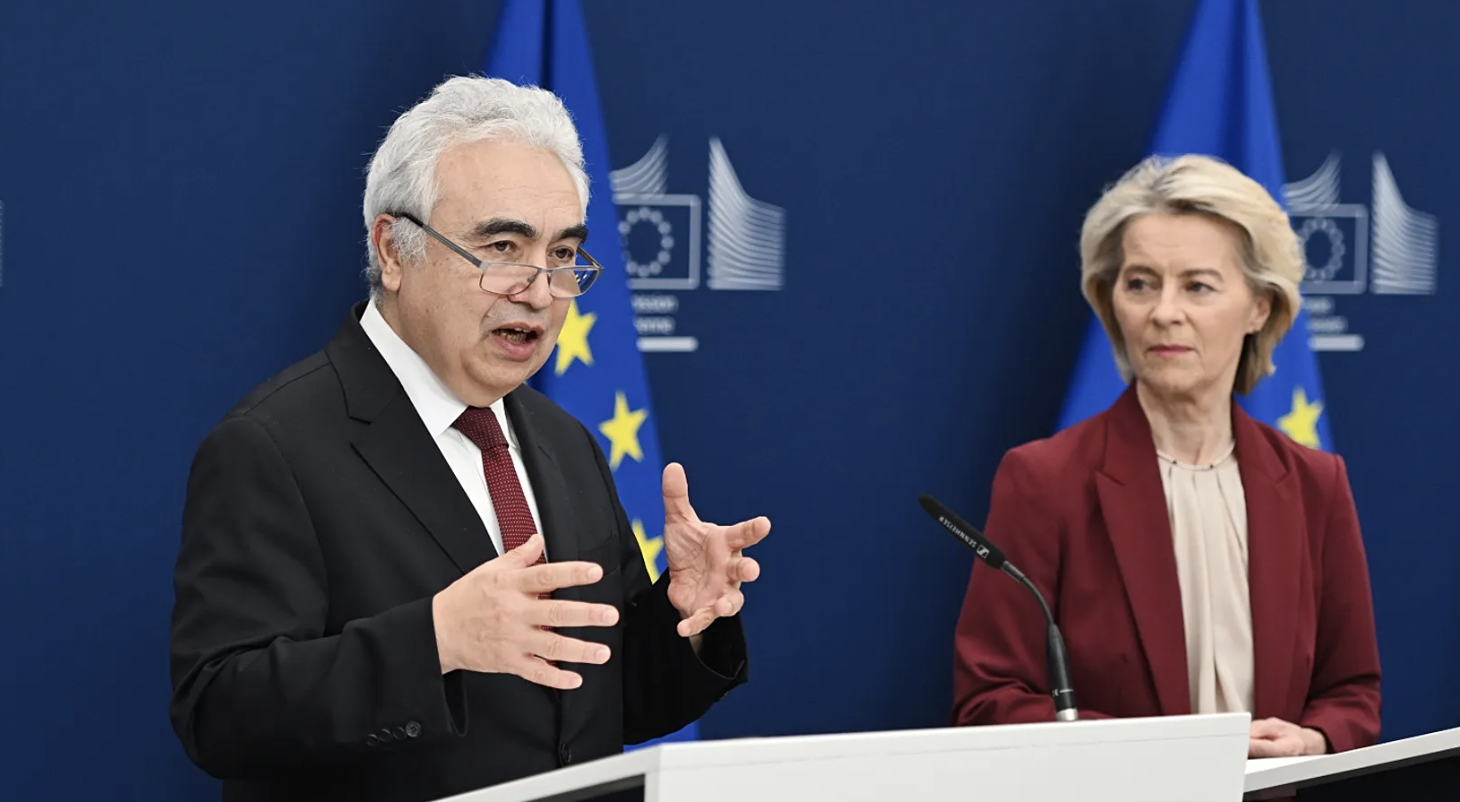
The G7’s October oil release plan is intended to complete the emergency action launched by the International Energy Agency in March rather than create a separate new commitment. According to an internal document reviewed by Euronews, the original plan involved 400 million barrels of oil, but only 326 million had been released so far.
Therefore, the additional 100 million barrels announced by the G7 could be covered through the existing March commitment if all participating countries complete their obligations. Meanwhile, IEA members agreed on October 7 to accelerate the remaining releases and finish them as soon as possible.
The move comes as global oil markets remain volatile because of supply disruptions in the Middle East. In addition, diesel and other refined products remain especially tight due to reduced Russian refining capacity and Chinese export restrictions.
European governments have made uneven progress. Greece, Italy, and Portugal have already fulfilled their commitments, while countries such as France, Germany, the Netherlands, and Spain are still evaluating or completing their releases. However, some governments have questioned how effectively the IEA has managed the emergency action.
The IEA still holds around 1.1 billion barrels of emergency oil reserves, including more than 200 million barrels of diesel. Overall, the October plan focuses on completing the March commitment while keeping the option of additional emergency releases open if market conditions worsen.
Reference
Euronews. (2026, October 8). Exclusive: G7’s 100 million barrel pledge tied to unfinished March emergency oil release. Euronews.
https://www.euronews.com/2026/10/08/exclusive-g7s-100-million-barrel-pledge-tied-to-unfinished-march-emergency-oil-release