
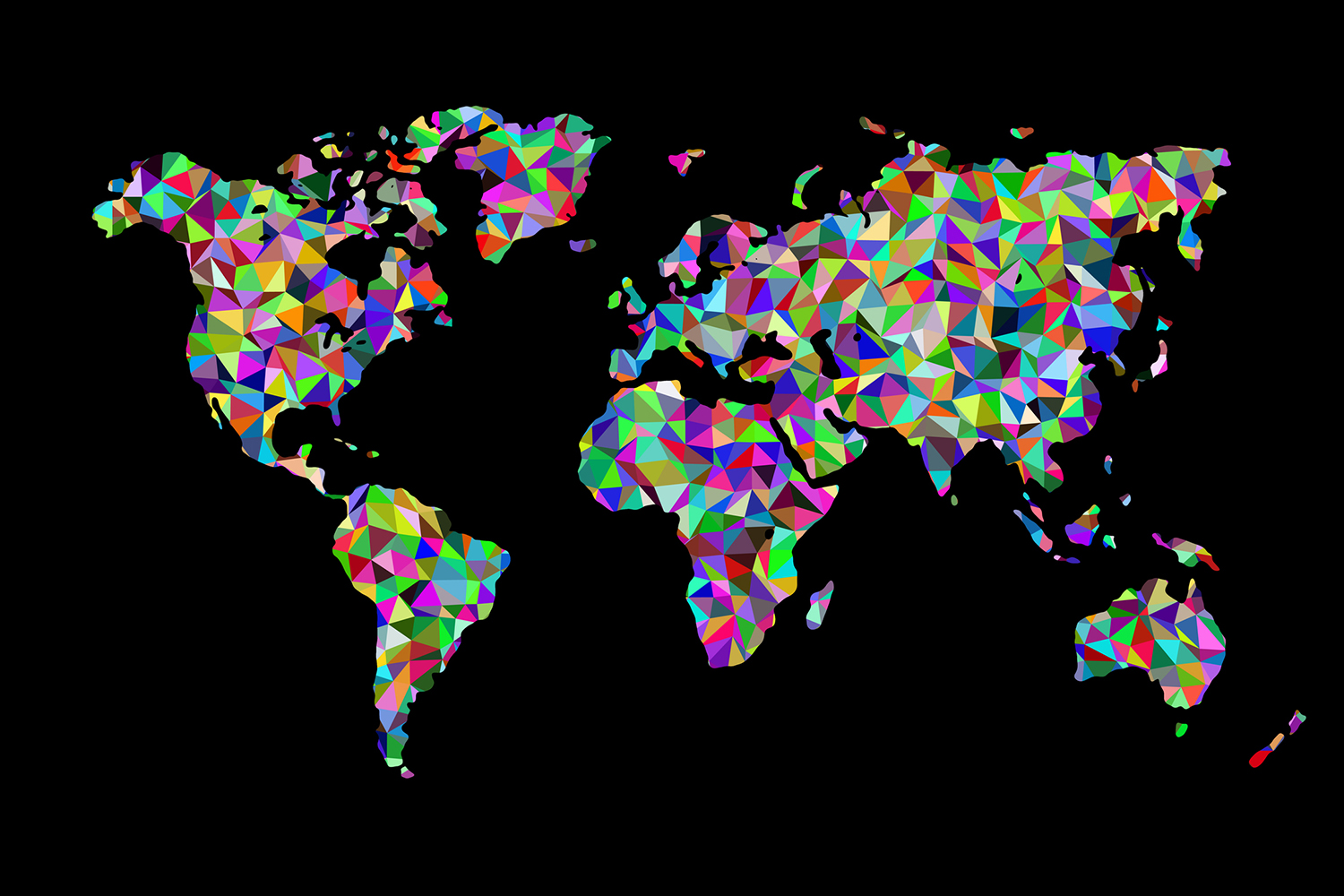
Researchers at Stanford University discovered that certain gut microorganisms have accompanied humans throughout their ancient migrations across continents. The study, published in Nature, suggests that many bacterial species found in the human digestive system originated thousands of years ago and were passed down through generations. These microorganisms contribute to digestion, vitamin production, and immune system regulation.
The research compared the gut microbiomes of two geographically distant populations: the Hadza hunter-gatherers in Tanzania and the Tsimane Indigenous communities in Bolivia. Despite being separated for thousands of years, both groups share more than 1,200 bacterial species. Approximately 60% of these microorganisms are rare or absent in populations living in industrialized societies, highlighting significant differences in microbial diversity.
Using advanced metagenomic sequencing and genetic analysis, scientists examined the evolutionary history of these bacteria. Their findings revealed that several microbial lineages diverged during major prehistoric human migrations from Africa to other continents. The researchers also identified substantial differences in microbial diversity, with Hadza individuals hosting approximately 750 bacterial species on average, compared with around 250 in Californians.
This discovery provides valuable insights into the relationship between human evolution, lifestyle, and intestinal health. Researchers suggest that industrialization, processed diets, antibiotic exposure, and highly sanitized environments may contribute to the disappearance of ancient gut microorganisms. Although the health consequences remain uncertain, the findings emphasize the importance of studying microbial biodiversity and its potential connection to chronic diseases.
Reference
Hadhazy, A. (2026, October 7). Gut microbes across continents trace ancient human migration. Stanford Report. https://news.stanford.edu/stories/2026/10/gut-microbiome-human-migration