
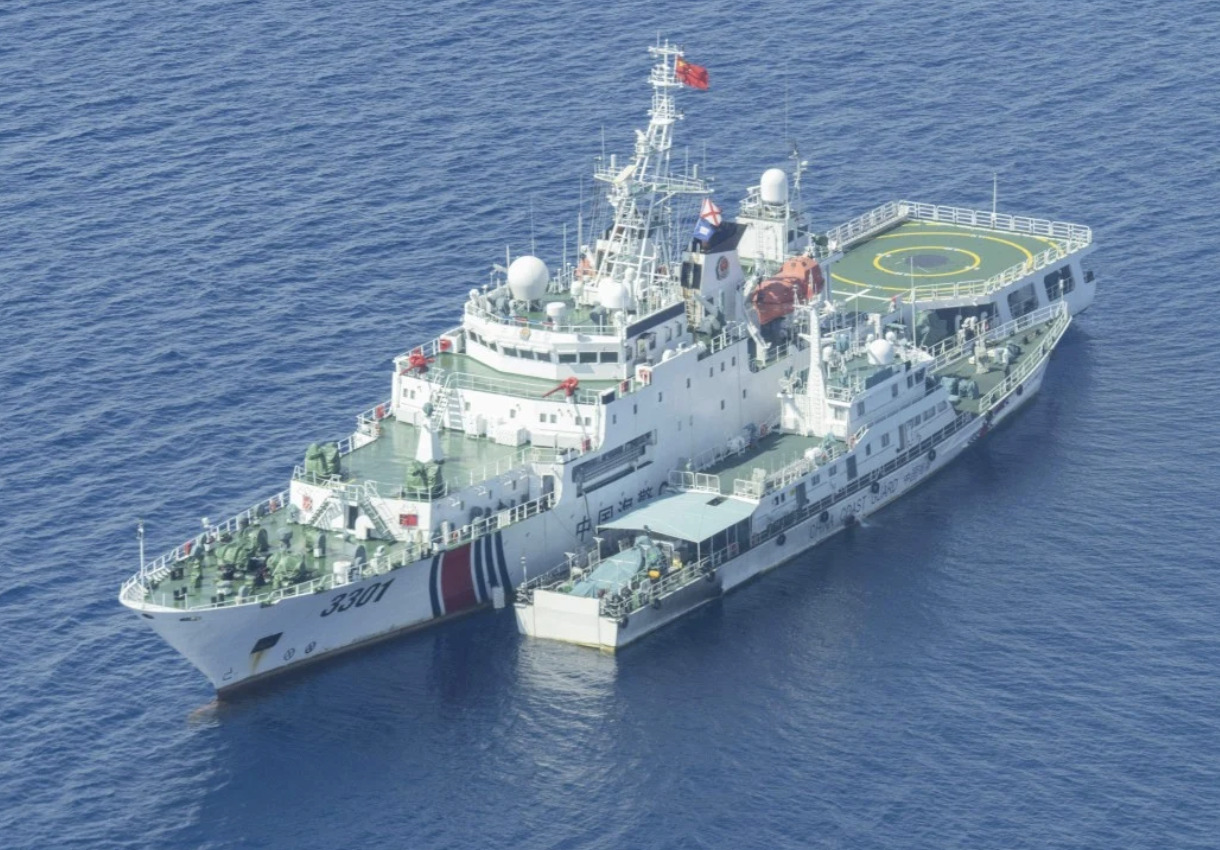
The Anniversary and Regional Tensions
A decade after the Hague’s South China Sea ruling, regional maritime tensions remain high. Beijing should continue engaging in good-faith diplomacy and explore international mediation. Analysts argue that the unenforced 2016 decision failed to curb ongoing conflicts. Over the weekend, a coalition of 14 countries called the decision legally binding. The United States and the Philippines led this specific group of nations. Consequently, they criticized Beijing for refusing to recognize or implement the tribunal’s findings. In response, China described US-led military deployments as the primary regional threat. Furthermore, Beijing dismissed the original Hague ruling as completely null and void. Chinese officials maintain it was a politically motivated process lacking state consent.
Escalating Friction and Good Faith
Beijing currently claims most islands and adjacent waters in the disputed area. Therefore, this stance has fueled protracted territorial disputes with rival claimants. Friction has escalated most intensely with Manila in recent years. During a recent security forum, researchers highlighted the severe risks of these disputes. Chen Xiangmiao stated that good-faith principles are essential for future diplomatic approaches. He is a research fellow at the National Institute for South China Sea Studies. Continuous attacks from the Philippines are steadily escalating bilateral tensions. Moreover, this ongoing friction complicates critical decision-making for both respective governments. Instead of fixating on the ruling, both sides should redirect their cooperative efforts. For instance, they could focus on marine conservation and sustainable fishery management.
A New Mediation Alternative
Maritime tensions between Beijing and Manila have continued unabated this year. Earlier in January, joint naval patrols triggered immediate combat responses from China. Meanwhile, Manila is actively pushing to finalize a formal code of conduct. To break this diplomatic deadlock, experts proposed using the International Organization for Mediation. This China-led intergovernmental body was established last year with headquarters in Hong Kong. Currently, the organization has 13 contracting states and 44 global signatories. Bao Yinan noted that mediation offers a viable middle ground for everyone. He works as an associate research fellow at the Huayang Centre. Ultimately, this mechanism is technically viable for China and rival claimants. However, utilizing this tool depends heavily on political considerations rather than legal aspects.
Reference
Chen, F., & Chen, F. (2026, 14 julio). How Beijing proposes to solve South China Sea disputes 10 years after Hague ruling. South China Morning Post. https://www.scmp.com/news/china/diplomacy/article/3360541/how-beijing-proposes-solve-south-china-sea-disputes-10-years-after-hague-ruling?share=JbY9Twvnw2PAo9rSzRtKNwFrofz1wenug6GheN1b5QrfKFafZh%2B5abxUg99ahVXbtsQJ5Tw0SCyql%2F6xuNMnPqoZkvosGbV9adkKGnglE4M%3D&utm_campaign=social_share