
The Vulnerability of the World’s Largest Importer
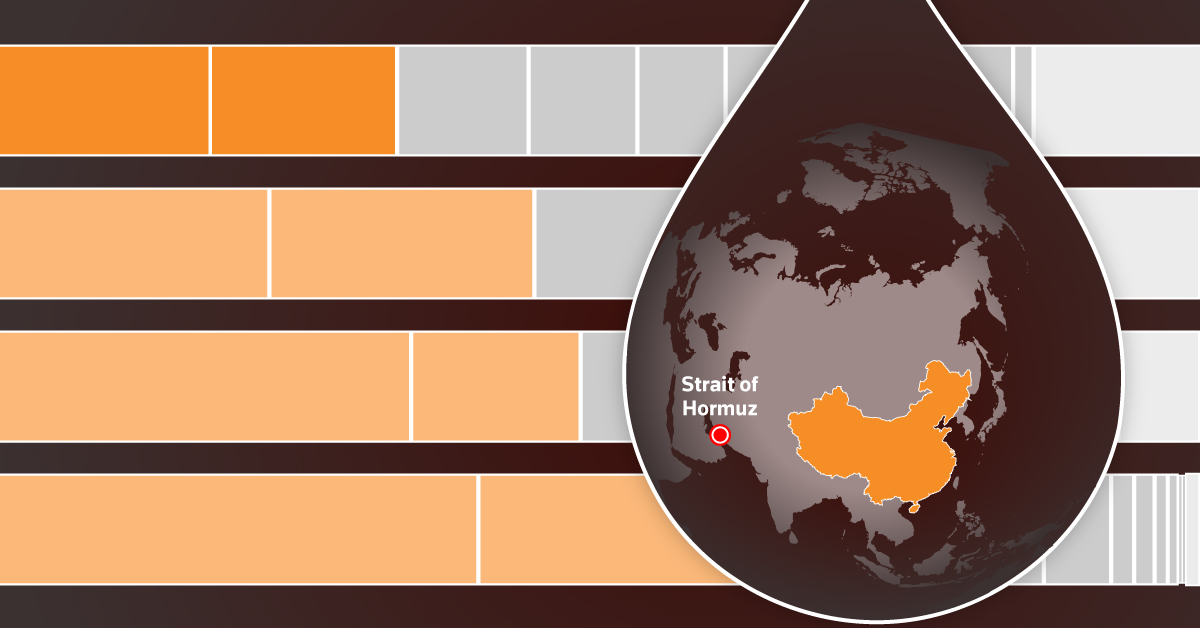
As of April 2026, China finds itself in a high-stakes balancing act as its primary source of “discounted” energy—Iran—is targeted by U.S.-Israeli kinetic strikes. Before the conflict began on February 28, China was importing approximately 1.4 million barrels per day (bpd) from Iran, representing roughly 13% of its total crude imports. Consequently, the sudden disruption of the “shadow fleet” and the closure of the Strait of Hormuz have forced Beijing to dip into its massive reserves. This suggests that while China has the financial muscle to weather a short-term shock, a prolonged war threatens the thin margins of its independent “teapot” refineries, which are the backbone of its regional industrial hubs.
Origins and the “Shadow Network” Infrastructure
Originally, the China-Iran energy relationship was solidified by the 2021 25-Year Cooperation Agreement, a $400 billion deal designed to secure long-term energy supplies in exchange for infrastructure investment. However, the origin of China’s current resilience lies in its sophisticated use of the Cross-border Interbank Payment System (CIPS) and ship-to-ship transfers in the Riau Archipelago to bypass Western sanctions. By the start of 2026, over 90% of Iranian oil exports were flowing to China, often rebranded as “Malaysian” or “Oman” crude. Furthermore, the report emphasizes that this clandestine infrastructure is now being tested by the U.S. Navy’s increased presence in the Arabian Sea, turning a commercial trade route into a potential military flashpoint.
Structure of the Strategic Petroleum Reserve (SPR)
The structure of China’s energy defense is built upon the world’s largest emergency stockpile, estimated to reach 1.3 billion barrels by April 2026. Specifically, China has enough oil in government-controlled and commercial bonded storage to cover approximately 115 to 120 days of imports. Moreover, the article highlights the “Northern Pivot,” where China has surged its Russian oil imports by 21% in February and March alone to compensate for Middle Eastern losses. This structured shift toward overland pipelines from Russia and Central Asia creates a “land-bridge” that is immune to naval blockades, though these pipelines are currently operating at near-maximum capacity and cannot fully replace the volume of the lost Iranian seaborne barrels.
Synthesis of Energy Sovereignty and the Trump Visit
The successful maintenance of China’s industrial output now faces a paradox: the more it relies on Russia to survive the Iran war, the more it compromises its strategic independence from Moscow. This objective is essential to understand because it comes just weeks before President Trump’s anticipated state visit to Beijing, where energy supplies are expected to be used as a “geopolitical bludgeon.” Simultaneously, there is a clear intent within the Chinese Communist Party to accelerate the transition to EVs and domestic renewables as the ultimate solution to this “manmade crisis.” Ultimately, the Reuters report provides a stable warning: China’s massive reserves have bought it four months of time, but if the war drags into the summer of 2026, the world’s second-largest economy will face a choice between rationing and direct intervention.
Reference
Reuters Graphics. (2026, April 1). China’s Oil Achilles’ Heel: The Iran Crisis Explained. Reuters. https://www.reuters.com/graphics/IRAN-CRISIS/CHINA-OIL/egpbeormkvq/