
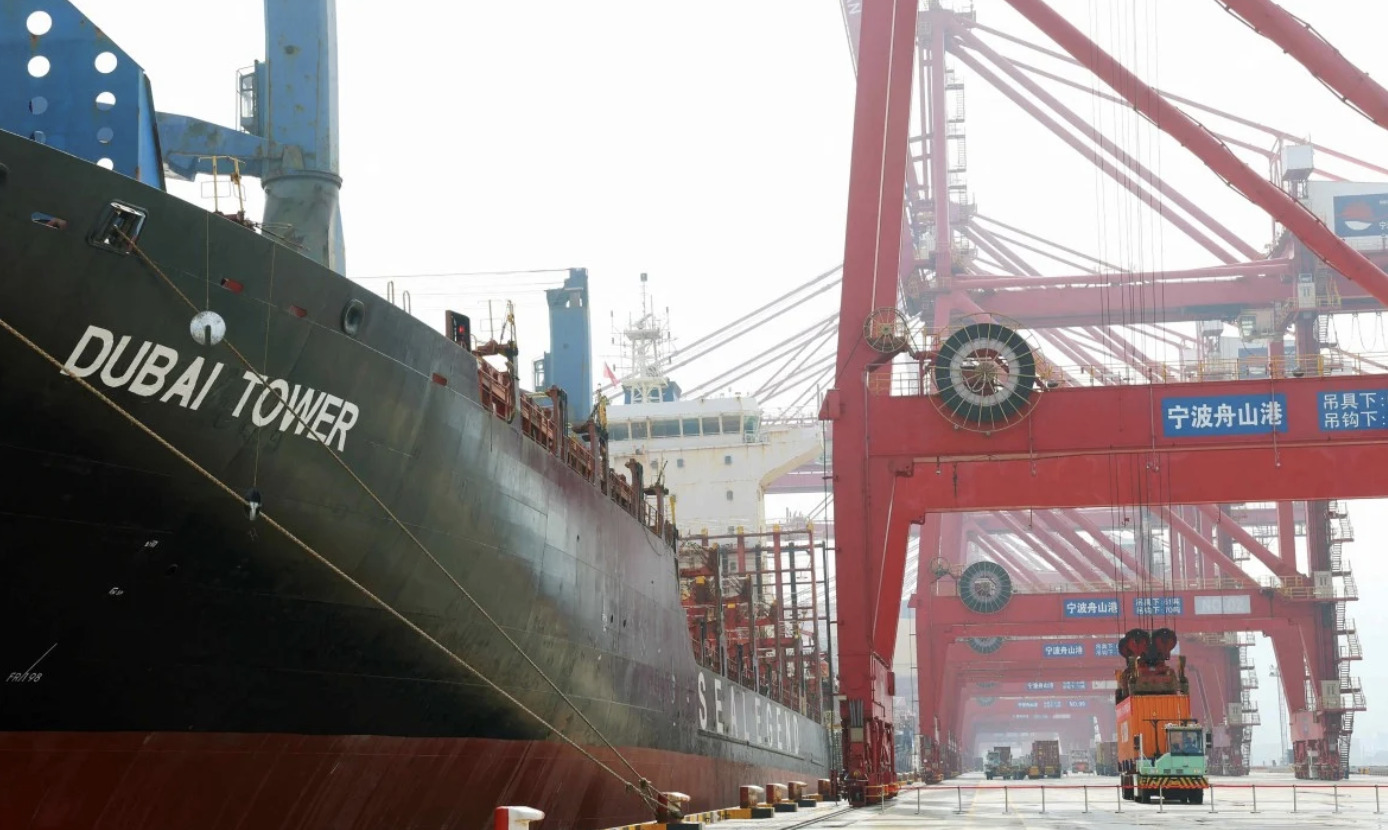
China Takes the Top Two Positions
China’s Yangtze River Delta became home to the world’s two busiest container ports during the first half of 2026. Ningbo-Zhoushan overtook Singapore and moved into second place, according to shipping-data provider Alphaliner. It processed 22.9 million twenty-foot equivalent units, compared with Singapore’s 22.74 million. Shanghai remained the global leader after handling 28.7 million units. The two Chinese ports are located less than 100 kilometres apart.
Technology Improves Port Efficiency
Transport analyst Qu Ke attributed China’s performance partly to efficiency gains and widespread use of smart systems. Autonomous trucks, automated cranes, and automatic loading equipment have become common at Chinese ports. These technologies improve both safety and productivity. Strong road and railway connections also create smoother intermodal logistics. They allow containers to move continuously into the ports from surrounding production and distribution networks.
Consolidation and Exports Support Growth
Ningbo-Zhoushan developed through a multi-year restructuring that combined individual berths across Ningbo and Zhoushan. President Xi Jinping promoted the initiative while serving as Zhejiang’s Communist Party chief between 2002 and 2007. China’s continuing export strength has also increased activity at its leading maritime hubs. Overall, Chinese ports claimed six positions among the world’s ten busiest container ports in Alphaliner’s ranking, demonstrating their growing role in global trade.
References
Chen, F. (2026, September 1). How China’s top 2 container ports became the world’s busiest – and beat Singapore. South China Morning Post. https://www.scmp.com/economy/china-economy/article/3365954/china-claims-worlds-top-2-container-ports-after-ningbo-zhoushan-overtakes-singapore