
Japan Plans to Endure a Wider Conflict
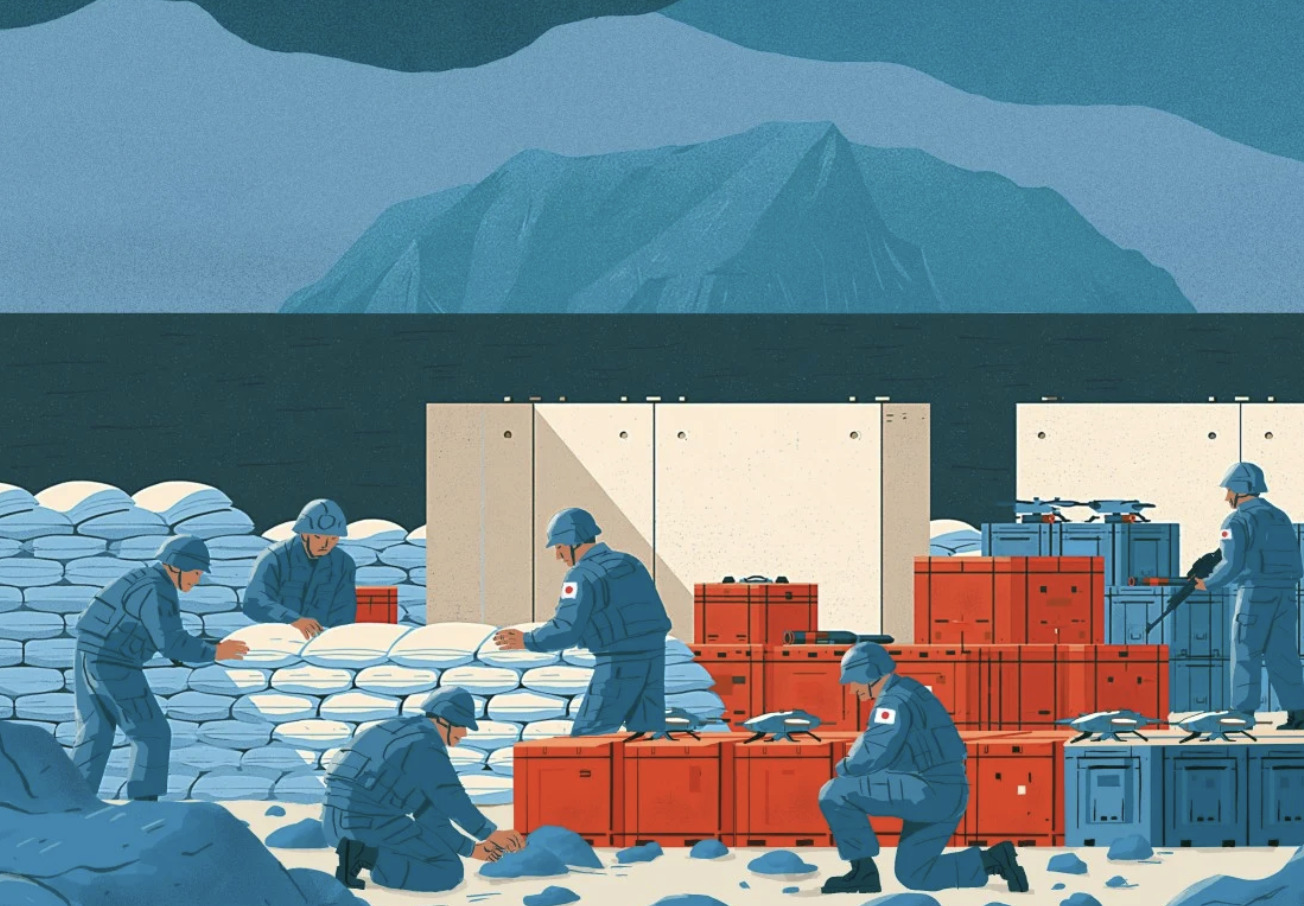
Tokyo is preparing for a Taiwan crisis that could spread into Japanese territory and become a prolonged war. Its planned defence hub in Kure, Hiroshima, will combine military facilities, logistics, maintenance, and production. This concentration would help Japan support its forces if deterrence fails and ammunition, fuel, or equipment begins running low.
Prime Minister Sanae Takaichi has said that a Taiwan conflict could threaten Japan’s survival, even without an initial direct attack. Taiwan sits only 110km from Japan’s westernmost territory and near important sea routes, southwestern islands, and American bases. Consequently, Chinese strikes against those facilities could pull Japan into the conflict and disrupt United States support for Taiwan.
Dispersed Forces Strengthen Deterrence
Analysts expect Japanese bases, ports, radar sites, and communications to face large missile attacks early in a conflict. Japan is therefore hardening facilities, moving command centres underground, expanding stockpiles, and dispersing weapons across more locations. These measures could prevent Beijing from assuming that an opening barrage would quickly suppress Japanese and American operations.
Meanwhile, Tokyo is investing in long-range missiles, drones, cyberdefence, space systems, and resilient communications. Its Shield concept combines weapons of different ranges with numerous unmanned systems around the southwestern islands. The Japan Self-Defence Forces also created a permanent Joint Operations Command. United States Forces Japan is developing a more operational headquarters for continuous bilateral coordination. About 215 personnel have been added since that transformation began.
Sustaining the Fight Creates New Demands
Beyond military survival, Japan must replenish weapons, repair damaged equipment, and protect civilians during months of attrition. The Kure complex reflects this challenge by joining manufacturing and maintenance with logistics and operational facilities. Tokyo is also considering government-owned defence plants run by private companies. Its defence ministry has requested a record 8.9 trillion yen for fiscal 2027. Shelters and evacuation exercises are being planned for residents of remote Okinawan islands.
However, the transformation faces manpower, economic, political, and industrial limits. Affordable unmanned systems may partly offset declining personnel numbers, but Japan still lacks an effective answer to Chinese bombers. Public transparency can also reveal storage sites and potential targets to PLA planners. Beijing describes Tokyo’s plans as remilitarisation and interference over Taiwan. Japanese officials maintain that the buildup is defensive. Their goal is to make attacks harder, preserve national operations, and raise the expected cost of expanding a Taiwan war into Japan.
References
Dominguez, G. (2026, September 9). In Focus: How Japan is digging in to deter—and withstand—a conflict over Taiwan. South China Morning Post. https://www.scmp.com/news/china/military/article/3366766/how-japan-digging-deter-and-withstand-conflict-over-taiwan