
The New York Times – Youtube short Video
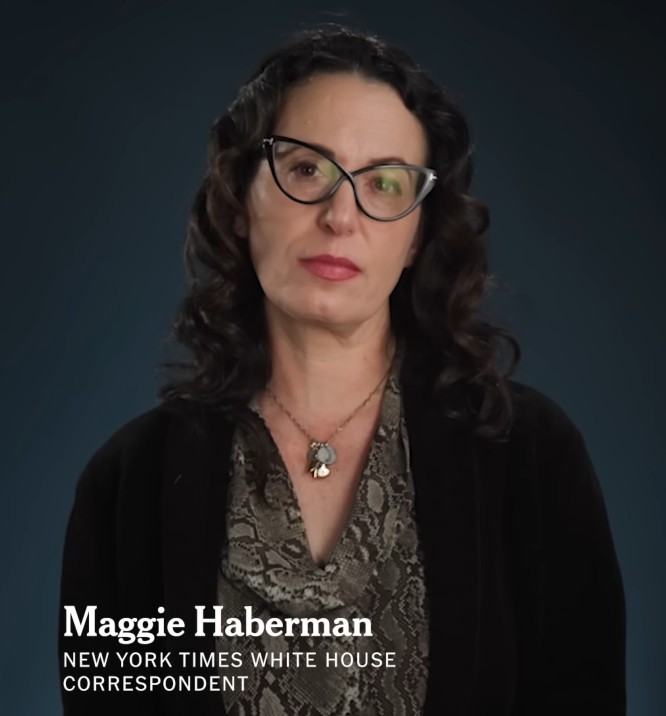
This short video by The New York Times, featuring reporting from Maggie Haberman and Jonathan Swan, examines how Donald Trump decided to initiate military action against Iran. Based on interviews and internal discussions, the video highlights a decision-making process driven less by consensus and more by instinct. It presents a fragmented advisory environment, where conflicting views existed but ultimately gave way to presidential authority.
A proposal that triggered the process
The sequence began on February 11, when Benjamin Netanyahu proposed joint U.S.-Israel strikes against Iran. The plan included not only military action but also scenarios involving regime change. Trump reacted positively to the proposal, signaling openness to escalation.
However, intelligence assessments quickly introduced skepticism. Analysts evaluated the feasibility of regime change and raised doubts. The CIA director reportedly described parts of the proposal as unrealistic. This early divergence set the tone for subsequent internal debates.
Diverging views within the administration
Over the following weeks, senior officials expressed sharply different positions. Pete Hegseth supported military action, consistent with a preference for assertive use of force. In contrast, Marco Rubio adopted a more cautious stance. He questioned the feasibility of a large-scale war while remaining skeptical about diplomatic outcomes.
JD Vance was the most openly opposed. He emphasized risks such as resource constraints, regional instability, and political backlash. His concerns extended beyond military feasibility to broader strategic and domestic implications.
These differences illustrate the absence of a unified strategy. Instead, the administration operated with competing perspectives that were never fully reconciled.
The final decision and the role of presidential instinct
The decisive moment occurred on February 26 during a final meeting in the Situation Room. Trump asked for input from his closest advisers. Although some expressed reservations, most ultimately signaled conditional support. Even critics framed their opposition in a way that deferred to presidential authority.
The video suggests that repeated experiences of political survival shaped how advisers evaluated risk. Trump’s history of overcoming setbacks influenced their perception of what was possible. As a result, institutional checks weakened, and personal confidence gained prominence in decision-making.
The following day, Trump ordered the initiation of military action. The outcome reflects a process where formal debate existed, but the final decision aligned with the president’s instincts rather than a clear consensus.
Reference
Haberman, M., & Swan, J. (2026). Trump’s decision to go to war with Iran [Video]. The New York Times. https://www.youtube.com/shorts/cmuvyqhTicY