
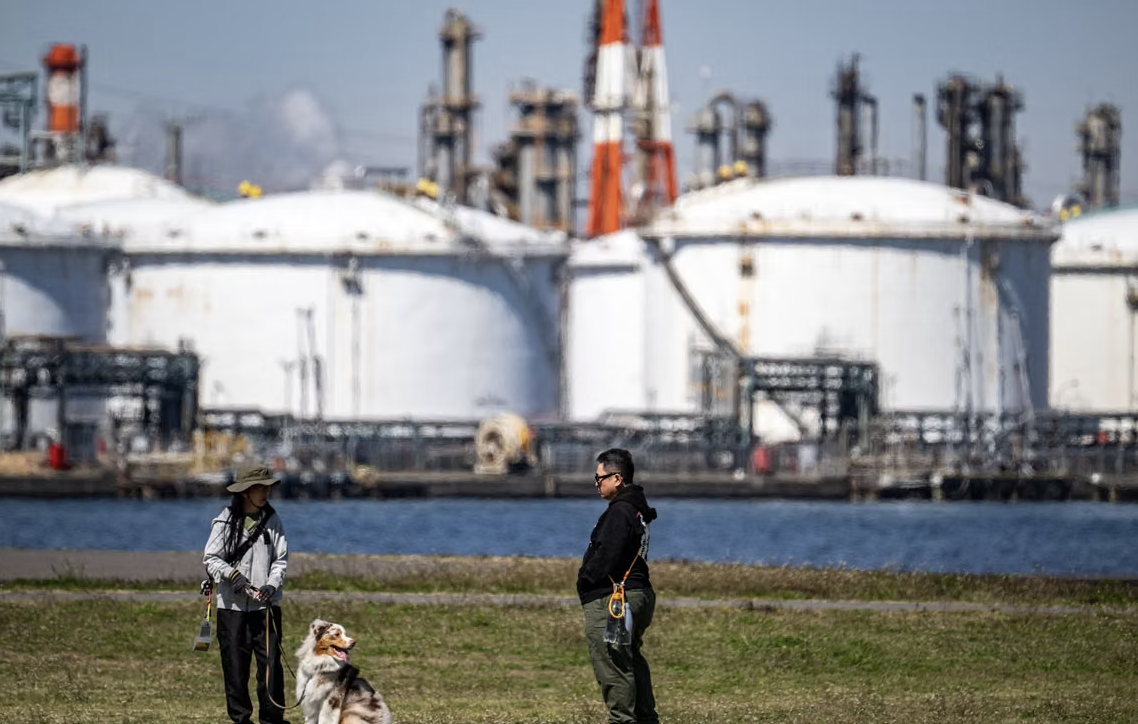
Japan is spending heavily to prevent gasoline prices from soaring. On September 14, a liter of regular fuel did not exceed 169.90 yen (0.94 euros), its average since 2022. Regular fuel represents 85 percent of gasoline consumed in the country. Its price had jumped to 190 yen in March, days after the Israeli-American war against Iran began on February 28.
The increase did not last. As early as March, Tokyo released 1,200 billion yen in subsidies to curb it. Noting that unrest in the Strait of Hormuz continues, the government decided to continue the policy by drawing 616 billion yen from emergency budget reserves starting September 1, to “protect the daily lives of citizens,” according to its spokesperson.
Since the crisis began, money has been paid directly to refiners and distributors. Subsidies reached a historic high in September at 51 yen per liter. The government also put part of its strategic reserves on the market. Created in 1978 after the oil shocks, these reserves are spread across 20 public and private sites. Fifty-three million barrels, equivalent to a month of consumption, were released starting in late March, and thirty million barrels in May.
These efforts have paid off. While supply barely reached 25 percent of normal in April, it exceeded that in July and met demand in August. Reserves partially rebuilt, rebounding to 202 days in August, compared to 248 before the war. According to the PAJ president, refiners have sufficient supply until November. For December, if the crisis continues, the government does not rule out drawing on reserves again.
Reference
Le Monde, “Au Japon, le gouvernement multiplie les mesures pour encadrer le prix de l’essence,” published September 23, 2026. https://www.lemonde.fr/economie/article/2026/09/23/au-japon-le-gouvernement-multiplie-les-mesures-pour-encadrer-le-prix-de-l-essence_6780888_3234.html