
An Unusual Government Investment
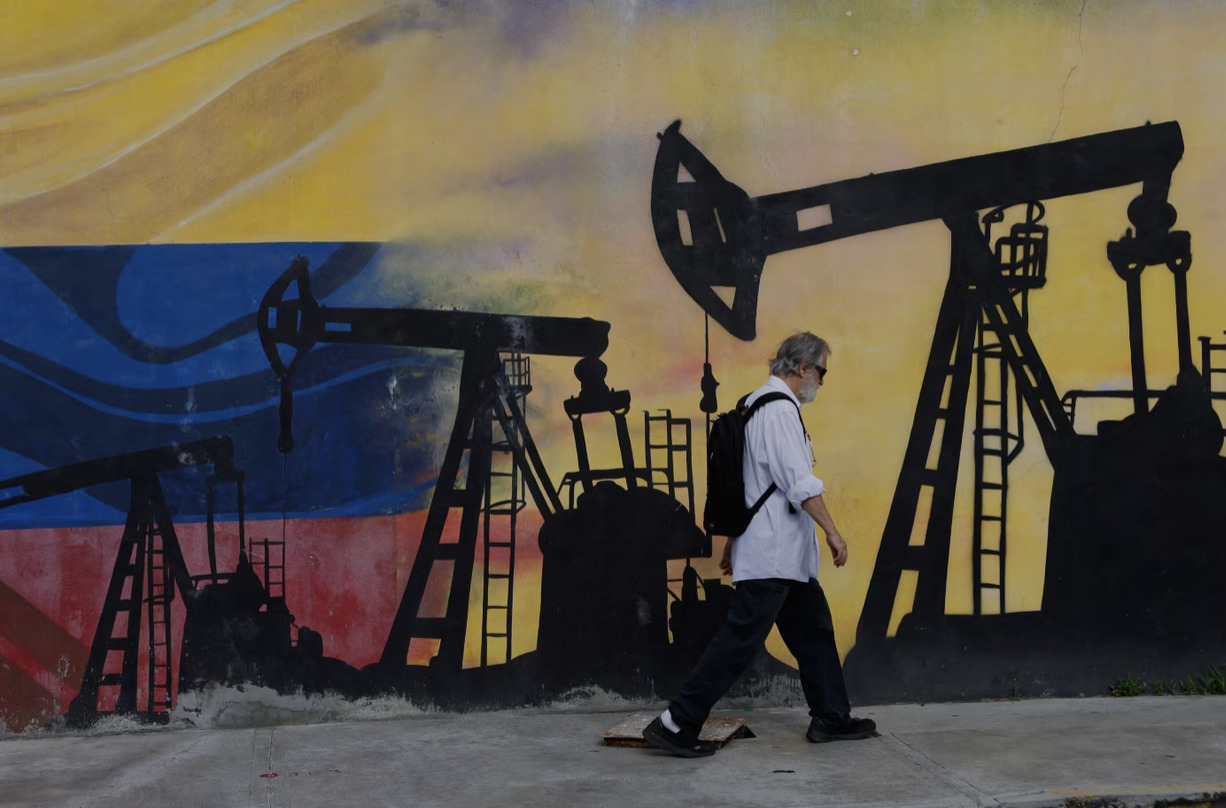
President Donald Trump’s agreement would turn the United States from a broker of oil investments into a direct investor in Venezuela. Washington plans to obtain a 35% passive stake in North American Blue Energy Partners, known as NABEP. The private company could develop 17 fields containing an estimated 65 billion barrels. That amount represents about one-fifth of Venezuela’s proven reserves. The arrangement would also grant the company rights lasting a century.
Under the proposal, the United States would receive preferred rights to purchase 20% of the venture’s production at cost. Trump and interim Venezuelan president Delcy Rodríguez agreed on the basic framework shortly before its announcement. Officials then worked through the details after months of private negotiations and repeated trips to Caracas. Supporters present the agreement as long-term access to a major Western Hemisphere energy supply.
Pentagon Financing Expands Its Role
The Pentagon’s Office of Strategic Capital would structure the investment through low-priced equity warrants. This approach could provide ownership without requiring a large initial payment. The Defense Department would ultimately hold the government’s equity and purchasing rights. Its involvement represents an unusual expansion beyond the office’s typical loans and guarantees for industries linked to national security.
Alejandro Betancourt, a businessman with close ties to Rodríguez, leads NABEP. His company has become Venezuela’s second-largest private oil producer after Chevron. Betancourt previously faced money-laundering investigations in Spain and Switzerland, although no formal charges emerged. Administration officials selected him because his company already operates locally and maintains relationships with senior Venezuelan figures. Major American oil companies remained reluctant because of security, legal, and infrastructure concerns.
Legal and Political Risks
Critics argue the plan conflicts with Venezuela’s 1999 constitution, which says national oil reserves cannot be sold. Industry participants also fear that a future government could challenge the agreement and discourage additional investment. The private-company structure was designed to make reversal more difficult. Nevertheless, opponents accuse Washington of legitimizing an unelected Venezuelan government in exchange for control over the country’s petroleum resources.
Meanwhile, the administration wants an energy and political victory during the continuing war with Iran and before the November midterms. Marco Rubio said the deal could secure inexpensive oil and reduce American gasoline prices. However, Venezuela currently produces only 1.1 million barrels daily, and rebuilding output would require years. Some Venezuelans hope investment could restore jobs and public services, while opposition figures view the arrangement as an unconstitutional seizure of national assets.
References
Bergengruen, V., FitzGerald, D., Eaton, C., & Forero, J. (2026, August 30). Inside Trump’s plan to give the Pentagon a stake in Venezuela’s oil riches. The Wall Street Journal. https://www.wsj.com/business/energy-oil/inside-trumps-plan-to-give-the-pentagon-a-stake-in-venezuelas-oil-riches-f054cdc2