
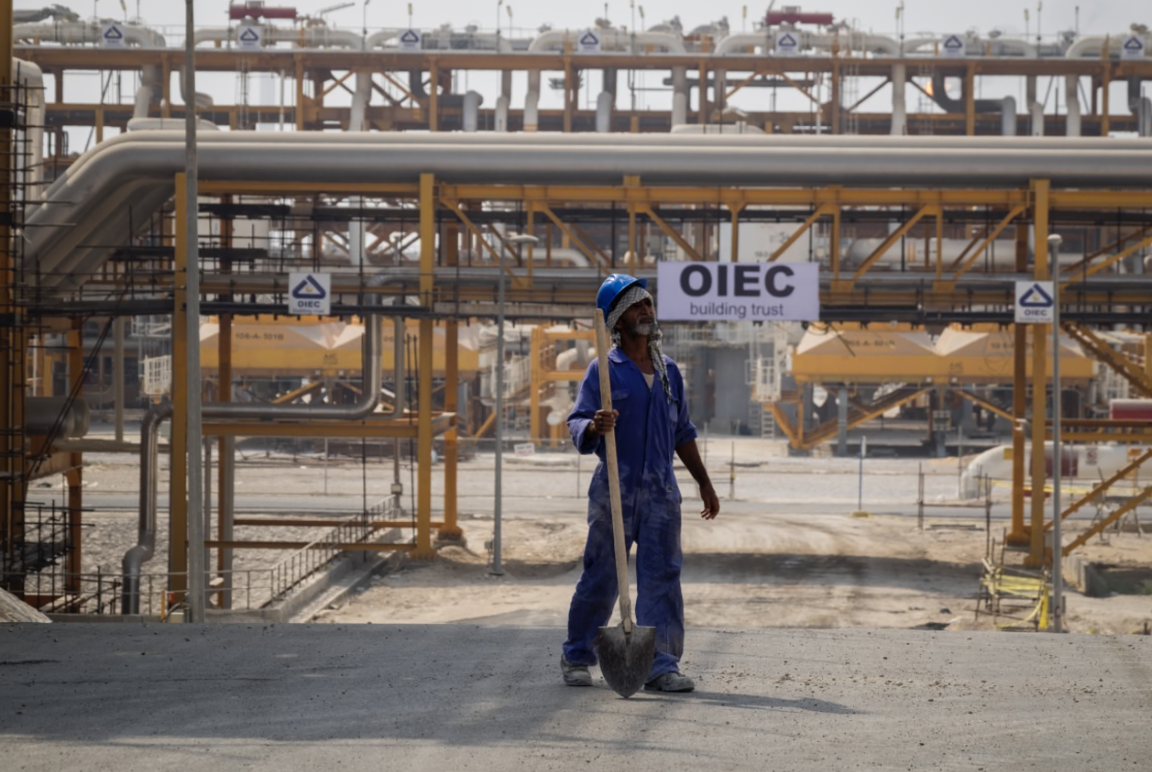
Escalation on the Energy Front
Firstly, the conflict intensifies through direct attacks on critical gas infrastructure in Iran and Qatar, increasing pressure on already strained global energy markets.
Targeting Strategic Resources
Subsequently, Israel strikes Iran’s South Pars gas field, the world’s largest, highlighting the centrality of energy assets in military strategy.
Retaliation Across the Gulf
Meanwhile, Iran responds by targeting energy infrastructure across neighboring Gulf countries, expanding the conflict beyond bilateral confrontation into a regional energy crisis.
Disruption of Global Supply Chains
Consequently, attacks and instability threaten key supply routes, particularly the Strait of Hormuz, a vital corridor for global oil and gas flows.
Economic Shockwaves
As a result, energy markets experience volatility, with rising oil and gas prices reflecting fears of prolonged disruption and reduced supply availability.
Strategic Leverage Through Energy
Moreover, both sides increasingly use energy infrastructure as leverage, aiming to weaken economic capacity and influence international responses.
Risk of Prolonged Crisis
Finally, continued escalation suggests the possibility of a sustained “energy war,” with long-term consequences for global markets, geopolitical stability, and economic systems.
Source:
Council on Foreign Relations. (2026, marzo 19). Iran war escalates on energy front. https://www.cfr.org/articles/iran-war-escalates-on-energy-front