
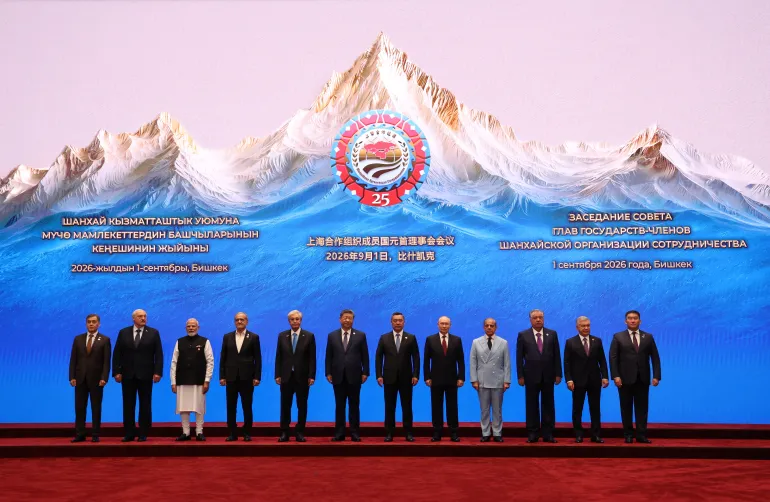
A pivotal international summit took place as regional leaders gathered to advance cooperation outside Western frameworks. The host nation utilized its strategic geographical position to navigate relations among powerful neighboring countries like Russia and China. This gathering provided a venue for member states to address shared security concerns, trade partnerships, and international sanctions.
For smaller host countries, maintaining a multi-vector foreign policy allows them to keep options open across global blocs. The diplomatic platform enabled various member nations to push back against unilateral Western trade restrictions and economic pressure. Simultaneously, member states leveraged the meetings to address ongoing diplomatic tensions, including unresolved international agreements and regional conflicts.
The changing trade landscape has temporarily accelerated economic momentum, infrastructure construction, and wage growth in Central Asia. However, political analysts caution that much of this domestic growth relies heavily on external geopolitical factors rather than structural stability. Environmental challenges, such as melting glaciers, also threaten long-term agricultural sustainability and sustainable economic progress across the region.
In conclusion, while hosting the summit highlights Central Asia’s rising diplomatic relevance, long-term stability depends on transforming temporary geopolitical advantages into sustainable domestic production.
Reference
Bin Javaid, O. (2026, September 3). Kyrgyzstan hosts pivotal SCO summit amid global geopolitical shifts. Al Jazeera. https://www.aljazeera.com/news/2026/9/3/kyrgyzstan-hosts-pivotal-sco-summit-amid-global-geopolitical-shifts