
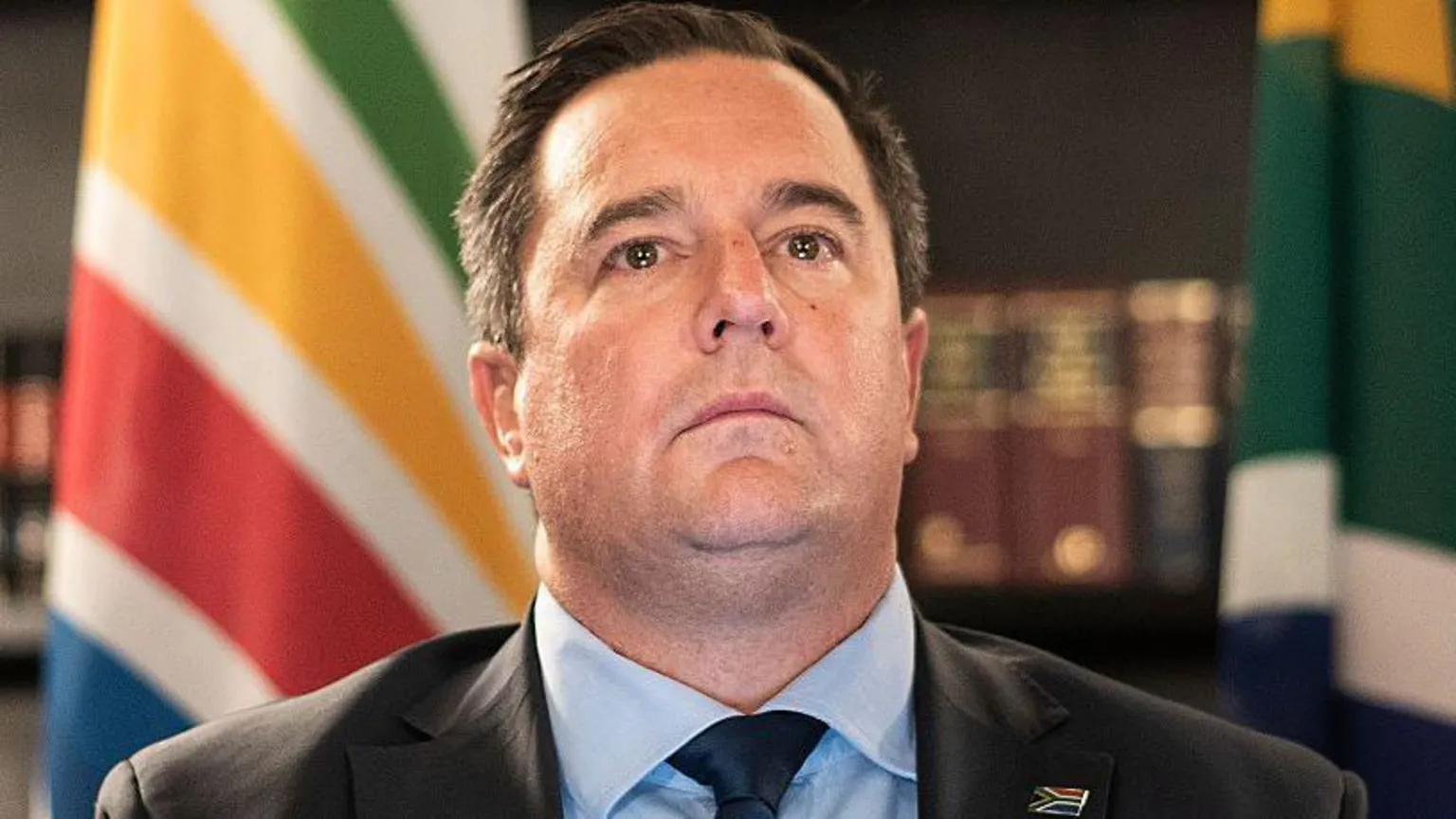
John Steenhuisen’s decision not to seek re-election as leader of South Africa’s Democratic Alliance (DA) marks a critical moment. Affecting both, the party and the country’s coalition government. As the DA’s leader and serving minister of agriculture, Steenhuisen has played a central role in sustaining the governing alliance with the African National Congress (ANC) after the ANC lost its parliamentary majority in 2024.
Steenhuisen publicly justified his withdrawal by pledging to concentrate fully on managing South Africa’s most severe foot-and-mouth disease outbreak to date. At the same time, mounting political pressures appear to have influenced his decision. Internal party conflict, a public fallout with a senior DA figure, and damage from past controversies have weakened his position. Farmers have also openly criticized his department, accusing it of hindering efforts to control the disease and protect the livestock sector.
His political career reflects a steady rise through party structures, from local government in Durban to national leadership two decades later. As head of the DA, a party historically supported by white voters, he sought to reposition it as a modern, pro-business alternative capable of sharing power at the national level. That strategy culminated in the DA’s decision to join the ANC in a national unity under President Ramaphosa, an unprecedented alliance between former rivals.
Uncertain Political Succesion
Despite frequent internal disagreements, Steenhuisen worked closely with Ramaphosa to maintain the coalition’s credibility. Their cooperation became especially visible during a high-profile meeting in Washington. Steenhuisen directly countered claims by Donald Trump regarding violence against white farmers, reinforcing the government’s unified stance abroad.
With Steenhuisen stepping aside and no declared successor, the DA now faces an uncertain leadership transition. Figures such as Cape Town mayor Geordin Hill-Lewis have emerged as potential candidates. Yet, the absence of clear leadership raises questions about the party’s future direction and the durability of South Africa’s fragile coalition government.
Reference
Ngcobo, K. (2026, February 4). DA leader John Steenhuisen to step down as leader of South Africa’s second largest party. https://www.bbc.com/news/articles/c5yvneqg1xxo