
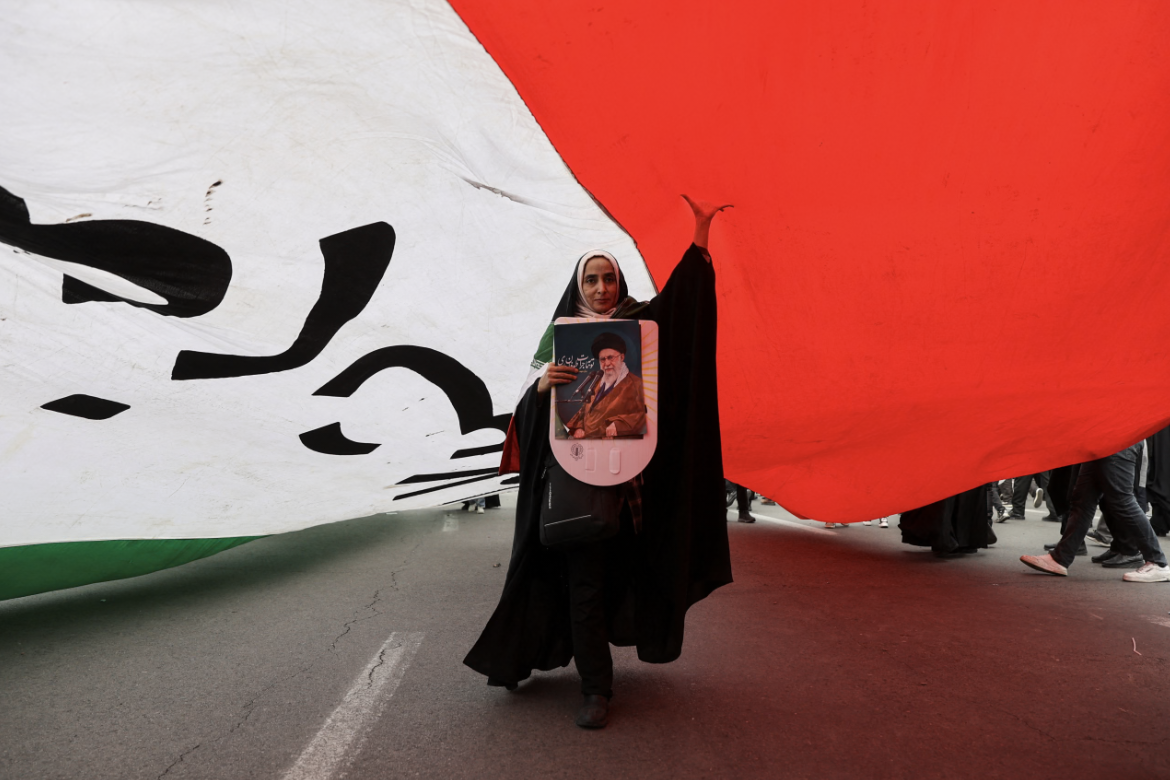
Historic Context
Iran faces a rare leadership change as its long-serving supreme leader’s advanced age and mounting pressures make transition likely.
Such a shift would be only the second major transition since 1979 and could ripple across the Middle East and world.
Uncertain Future Paths
Three main trajectories are possible; regime continuity under similar elites, a takeover by military forces, or collapse without stable governance.
None of these options guarantee a democratic or stable outcome in the year following transition.
Continuity Scenario
If succession follows constitutional norms, clerical elites could install another religious leader to maintain theocratic control.
Possible successors have administrative and theological roles but lack popular backing and experience.
A leadership council might also be considered to spread authority and preserve regime stability.
Military Dominance Scenario
The Islamic Revolutionary Guard Corps could seize influence, formalizing a military-centered state with anti-Western policies intact.
In this case, elected institutions would shrink under authoritarian control while state power remains strong.
Collapse Scenario
Complete regime collapse could occur from internal unrest, leadership decapitation, or compounded crises, producing a power vacuum.
Such instability might spark ethnic activism and concern among neighboring states about spillover effects.
Warning Signs
Changes in the supreme leader’s public appearances and rise in succession talk signal a possible transition.
Elite reshuffling, debates within religious establishments, worsening economic conditions, and elite defections could also signal instability.
Implications for Interests
Leadership change will likely affect regional security, proxy conflicts, and global diplomatic tensions.
Transition may heighten proxy activity and nuclear tensions even if the regime remains intact.
U.S. Strategic Options
Preparing for a range of contingencies, including intelligence refreshes and diplomatic messaging, could shape future engagements.
Supporting civil society, independent media, and credible opposition may help nonviolent avenues for change.
Engaging allies and refining public diplomacy might present opportunities to steer outcomes toward restraint and reform.
Source:
Maloney, S. (2026, febrero). Leadership transition in Iran (Contingency Planning Memorandum). Council on Foreign Relations. https://www.cfr.org/reports/leadership-transition-in-iran