
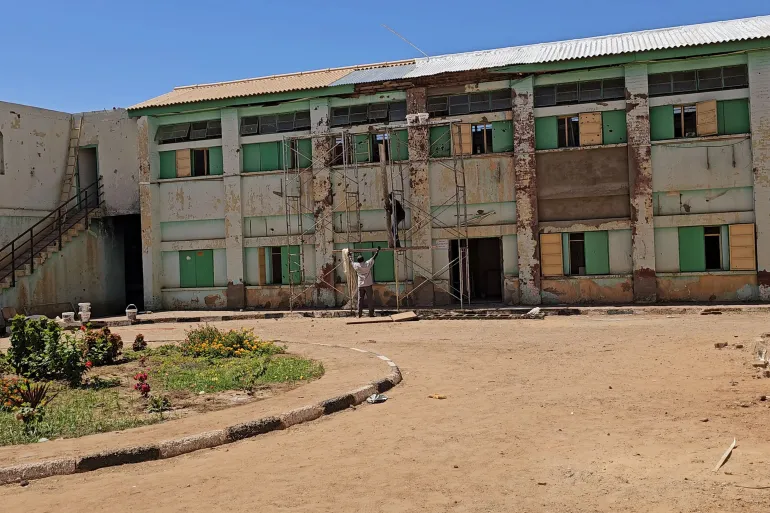
The Transition from Specialized Care to Survival Hub
By late April 2026, the medical landscape in war-torn Sudan has transitioned from a functioning national health system to a series of isolated outposts of resilience. The Al Jazeera report provides an inside look at the country’s only remaining facility capable of treating tropical diseases, highlighting its shift from a specialized research center to a general survival hub. Consequently, the hospital is now forced to manage primary trauma cases alongside outbreaks of malaria, dengue, and kala-azar, all while facing a total lack of consistent electricity or specialized medical supplies. This suggests that the collapse of the state has left the population vulnerable to a double threat: the immediate violence of the conflict and the slower, systemic resurgence of preventable diseases.
Origins and the “Forgotten” Epidemic Crisis
Originally, Sudan was a regional leader in the study and treatment of tropical illnesses, supported by international research partnerships. However, the origin of the current medical emergency lies in the total destruction of the healthcare infrastructure in Khartoum and the displacement of over 80% of the nation’s medical personnel. For 2026, this hospital has become a microcosm of the national crisis, where the absence of basic diagnostic tools means that doctors must rely on clinical intuition to differentiate between war-related infections and tropical parasites. Furthermore, the report emphasizes that the global focus on the Middle East conflict has diverted critical humanitarian funding away from East Africa, leaving Sudanese health workers to battle these epidemics with almost no international support.
The Structure of the “Medicine of Necessity”
The structure of daily operations within the facility is organized around three layers of extreme logistical friction. First is the supply chain paralysis, where the ongoing military blockade makes the delivery of temperature-sensitive vaccines and medications nearly impossible. Second is the human resource deficit, as the remaining staff are working months without pay while living in the facility to avoid the violence outside. Finally, the article highlights the institutional friction between the humanitarian needs on the ground and the bureaucratic hurdles of delivering aid through active combat zones, where medical convoys are frequently targeted or looted by various armed factions.
Synthesis of the “Health-Security” Nexus and State Collapse
The successful operation of this single hospital now faces a paradox where the “resilience” of the staff may inadvertently mask the total failure of the global humanitarian system. This represents the health-security nexus in political science, where the spread of disease across borders becomes a threat as potent as the war itself. There is a clear intent in the Al Jazeera feature to show that the “tropical disease front” is a critical part of the Sudanese conflict that is being ignored by the international community. Ultimately, it is clear that for 2026, the survival of this hospital is the only thing standing between the Sudanese people and a catastrophic, unchecked regional epidemic that could destabilize the entire Horn of Africa.
Reference
Al Jazeera. (2026, April 20). Inside war-hit Sudan’s only functioning hospital curing tropical diseases. Al Jazeera News. https://www.aljazeera.com/news/2026/4/20/inside-war-hit-sudans-only-functioning-hospital-curing-tropical-diseases