
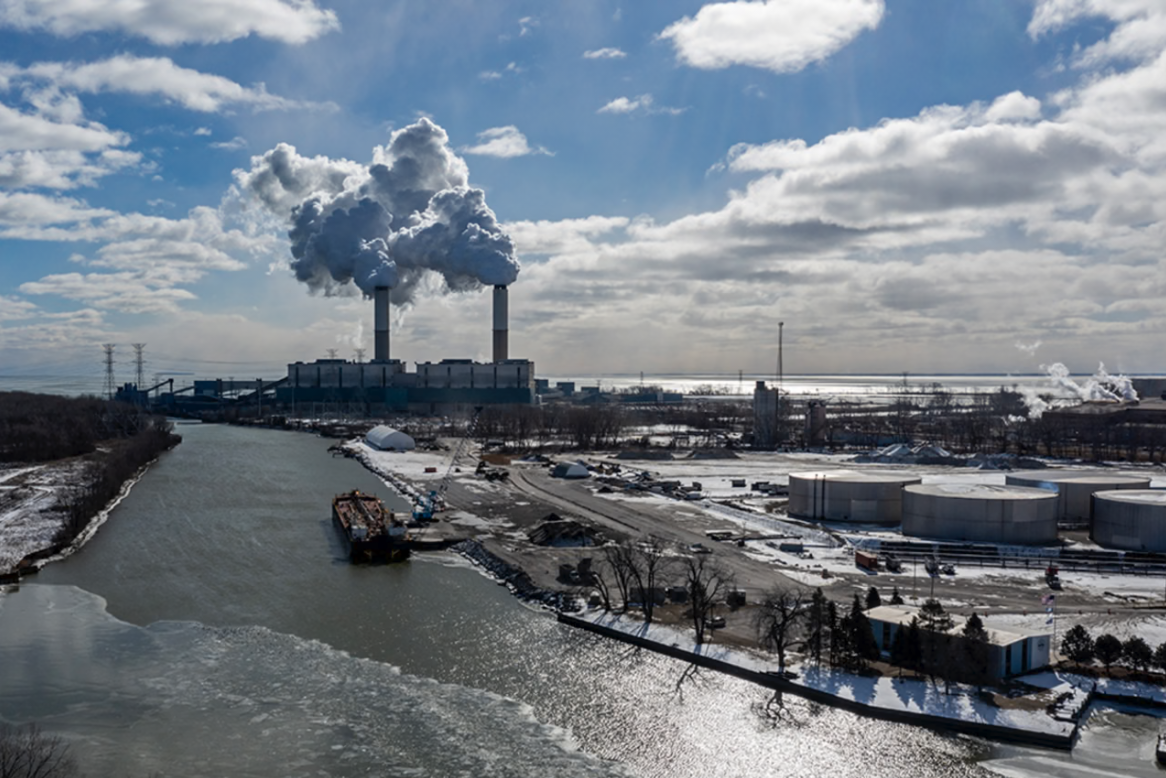
Context: EPA and the Endangerment Finding
In 2009, a key U.S. environmental rule concluded that greenhouse gases harm public health and welfare, giving the government authority to regulate those emissions. However, in early 2026 this long-standing determination was officially rescinded by the current U.S. administration.
Consequently, federal authority to regulate emissions from vehicles and major sources like power plants could be effectively eliminated. This change has sparked widespread debate about how the United States will manage climate risks moving forward.
Immediate Effects of Repeal
First, eliminating this legal finding removes the central basis for greenhouse gas rules under the Clean Air Act. In response, some businesses may face inconsistent climate standards across states rather than uniform federal expectations.
Meanwhile, industry could confront higher costs to meet disparate sustainability requirements for global partners. Furthermore, critics warn that public health protections may weaken without a clear federal regulatory backbone.
Legal and Institutional Challenges
Next, questions about the legality of rolling back climate authority will likely lead to prolonged court battles. Importantly, a foundational Supreme Court decision from 2007 acknowledged greenhouse gases as pollutants under the Clean Air Act.
Yet, because that precedent was close and contentious, legal arguments can be advanced on both sides. Thus, judicial outcomes could shape future climate policy more than executive action alone.
Moreover, with federal regulation weakened, state governments may gain greater power to enforce their own standards. Some states are already setting stricter limits to protect public health and ecosystems.
Scientific Data and Information Gaps
Additionally, changes in federal priorities have impacted climate science programs and long-running atmospheric measurements. For example, major satellite missions tracking carbon dioxide levels are at risk of ending.
Simultaneously, longstanding public climate disaster databases have been discontinued. Without this information, communities may lack reliable data to plan for climate-driven risks.
This removal of scientific tools complicates assessments of costs tied to extreme weather and emissions.
Policy Implications and Alternative Paths
In light of federal rollback, legislative action in Congress could provide more durable climate protection. However, deep partisan divides make meaningful climate legislation unlikely in the near term.
Meanwhile, courts may increasingly hear climate cases from states and private parties seeking remedies. Such litigation could impose costs on large emitters through state climate-related measures. This trend reflects a broader constitutional shift toward judicial involvement in climate policy gaps.
Strategic Recommendations for Future Action
Observers suggest a reframed climate strategy focusing on U.S. economic competitiveness and energy innovation. First, emphasis on electrifying the economy can reduce reliance on fossil fuels long term.
Second, targeted legislation could incentivize U.S. leadership in next-generation clean technologies.
Third, establishing early markets for breakthrough technologies may drive private sector investment.
Together, these approaches aim to broaden support across the political spectrum. Finally, global collaboration remains essential, since U.S. action alone cannot solve worldwide emissions challenges.
Source:
. (n.d.). Paths forward if Trump nixes EPA greenhouse gas protections. https://www.cfr.org/articles/paths-forward-if-trump-nixes-epa-greenhouse-gas-protections