
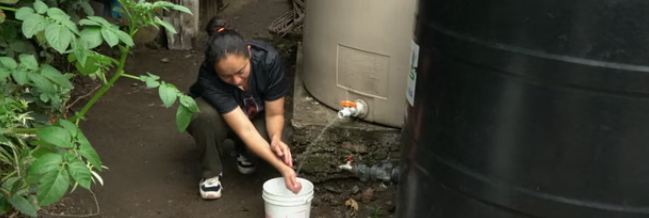
Rainwater Harvesting Brings Water Security to Vulnerable Communities.
Thousands of low-income families in Mexico are improving their access to water through rainwater harvesting systems developed by Isla Urbana, a nonprofit organization founded in 2009. These systems collect and filter rainwater from rooftops, providing households with a sustainable water supply for five to eight months each year. In informal settlements such as Cristo Rey, where many homes are not connected to the public water network, this technology has reduced dependence on distant wells and expensive water deliveries.
A Practical Solution for Homes, Schools, and Communities.
Isla Urbana has expanded its work beyond households by installing rainwater harvesting systems in 2,000 public schools across Mexico while promoting education on sustainable water management. Furthermore, the organization operates nationwide, particularly supporting Indigenous and rural communities with limited access to conventional water services. Its long-term objective is to reach one million people by next year through a combination of nonprofit projects, government partnerships, and private sales that finance installations for vulnerable families.
Water Scarcity Remains a National Challenge.
Despite recent public policies recognizing the human right to water, Mexico continues to face severe water shortages intensified by climate change and recurring droughts. According to the article, 17% of households struggle to meet basic daily water needs, while approximately 74 million people—57% of the population—lack access to safe water. Consequently, researchers consider rainwater harvesting an effective complement to public infrastructure, especially in areas where traditional water services are unavailable or unreliable.
Improving Quality of Life Through Sustainable Innovation.
For many families, access to harvested rainwater has transformed daily life. The collected water is used for cleaning, bathing, washing clothes, irrigating gardens, and, after additional filtration, even for drinking. As a result, households are able to grow food, improve hygiene, and reduce the time spent searching for water. Although experts emphasize the importance of maintaining filtration systems to ensure water quality, they agree that rainwater harvesting represents a practical and sustainable strategy for strengthening water security and community resilience.
Reference
Bearne, S. (2026, July 20). Prickly pears, avocados and lemons: how rainwater harvesting is feeding Mexico City’s gardens and homes. The Guardian. https://www.theguardian.com/global-development/2026/jul/20/rainwater-harvesting-mexico-city-transforming-lives