
The Escalation of Foreign Combatant Involvement
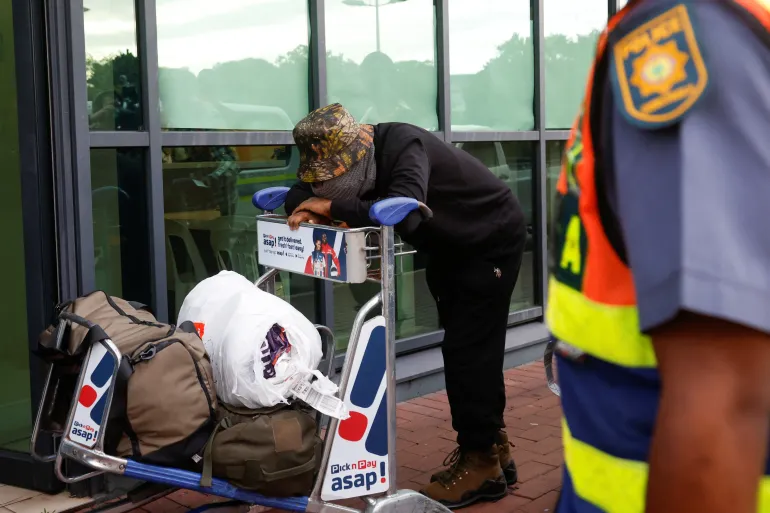
In late February 2024, Ukrainian intelligence officials claimed that Russia has successfully enlisted over 1,000 mercenaries from several African nations to bolster its front-line operations. This development represents a significant expansion of Moscow’s recruitment strategy, shifting from domestic mobilization and the use of private military companies like Wagner to a more globalized search for expendable manpower. Consequently, the presence of these combatants on the Ukrainian battlefield introduces a new layer of complexity to the war, as it highlights Russia’s ability to leverage its diplomatic and economic influence in the Global South to sustain its protracted military campaign.
Origins and the Economic Drivers of Recruitment
Originally, Russian influence in Africa was characterized by security partnerships and mining concessions handled by paramilitary groups. However, as the conflict in Ukraine transitioned into a war of attrition, the Kremlin’s need for “cannon fodder” led to the targeting of economically vulnerable populations in countries such as Sierra Leone, Somalia, and the Central African Republic. The Al Jazeera report suggests that these recruits are often lured with promises of high wages and Russian citizenship, reflecting a cynical exploitation of economic hardship. Furthermore, this recruitment drive is facilitated by the deep-seated security ties that Moscow has cultivated with various African regimes, allowing for a clandestine pipeline of personnel into the conflict zone.
Structure of the Mercenary Integration and Legal Ambiguity
The structure of these foreign units is organized around integrated assault groups that operate alongside regular Russian forces but often with inferior equipment and minimal training. Specifically, the Ukrainian Ministry of Defense reports that these mercenaries are frequently used in “meat grinder” tactics to identify Ukrainian firing positions before elite units are deployed. Moreover, the report highlights the legal ambiguity surrounding these individuals, who are not officially recognized as members of the Russian Armed Forces. This lack of formal status complicates their rights under the Geneva Convention and allows Moscow to distance itself from potential war crimes or the repatriation of remains, creating a moral and legal vacuum on the battlefield.
Synthesis of Geopolitical Influence and Tactical Attrition
The successful deployment of African mercenaries relies on a synergy between Russia’s “soft power” narratives in Africa—which frame Moscow as an anti-colonial alternative to the West—and its tactical need for human endurance in a high-casualty environment. This objective is essential for the Kremlin to minimize the political fallout of a new domestic mobilization wave before key political cycles. Simultaneously, there is a clear intent to internationalize the conflict’s human cost, forcing African nations to grapple with the return of traumatized veterans or the loss of their citizens in a distant war. Ultimately, the 2026 recruitment data provides a grim roadmap of how modern conflicts are increasingly outsourced to the most marginalized global populations, signaling a shift toward a more fragmented and mercenary-dependent form of warfare.
Reference
Al Jazeera. (2026, February 25). Ukraine claims Russia enlisting over 1,700 African mercenaries. Al Jazeera News. https://www.aljazeera.com/news/2024/02/26/ukraine-claims-russia-enlisting-over-1000-african-mercenaries