
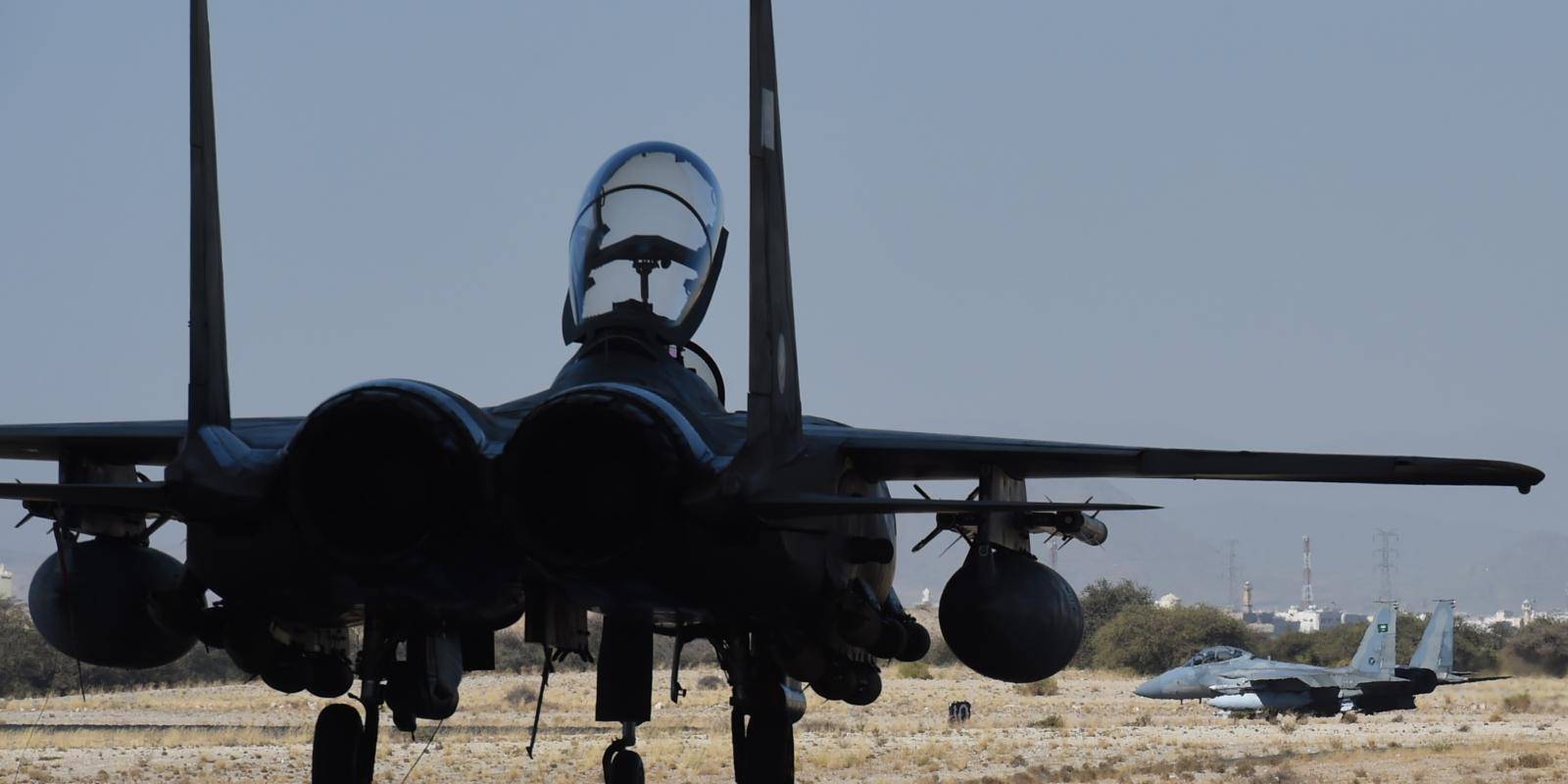
Gulf Arab states are being pushed into a difficult position as tensions with Iran escalate, but joining a war is not in their best interest. Most of these countries prefer to avoid direct confrontation, because they would likely be the first targets of retaliation. Their economies, infrastructure, and internal stability are highly exposed, especially given their reliance on energy exports and vulnerable geographic location.
Although Gulf states share concerns about Iran’s influence, they are cautious about aligning too closely with external military actions led by the United States or Israel. Past experiences have shown that regional conflicts tend to spill over, causing long-term instability rather than quick solutions. For many Gulf governments, the risks of escalation outweigh the potential benefits of military involvement.
Instead of joining the war, these states are more likely to pursue a strategy of balancing — maintaining security partnerships while also keeping communication channels with Iran open. This approach allows them to reduce immediate threats while preserving some degree of regional stability.
Ultimately, the priority for Gulf Arab states is survival and stability. Entering the war would deepen regional divisions, increase economic vulnerability, and expose them to direct conflict. Avoiding escalation, even under pressure, remains the most rational and strategic path forward.
Reference: Chatham House. (2026, March 19). Should the Gulf Arab states join the war against Iran? Chatham House. https://www.chathamhouse.org/2026/03/should-gulf-arab-states-join-war-against-iran