
Treasury yields pull stocks lower
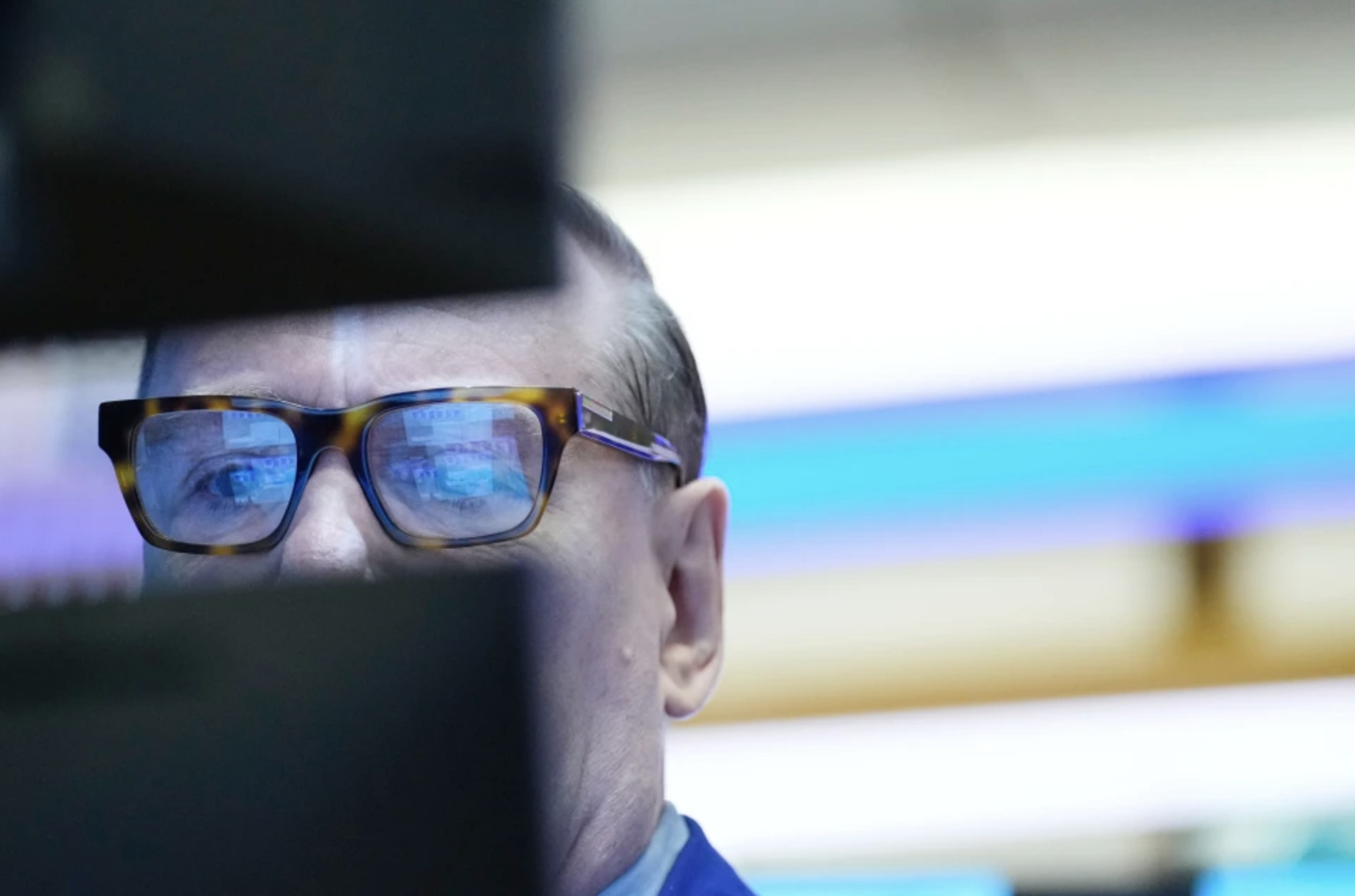
Wall Street moved lower on Tuesday as another rise in Treasury yields put fresh pressure on stocks. The S&P 500 fell 0.3%, the Dow Jones Industrial Average dropped 232 points, or 0.5%, and the Nasdaq composite slipped 0.2% by early afternoon. Major indexes turned down after a quiet start as bond-market pressure offset support from large technology companies. Nvidia gave up an early gain and was little changed, while Broadcom rose 1.6%.
Bond-market pressure remained the central concern. The yield on the 10-year Treasury climbed to 5.28% from 5.24% late Monday and touched its highest level since 2002. Higher yields can slow economic growth by making loans more expensive for households and businesses. They can also weigh on richly valued shares, including technology stocks that have surged during the boom in artificial intelligence.
Oil volatility deepens market strain
Crude prices continued to swing as the U.S. war with Iran disrupted the outlook for energy supplies. Brent crude fell 1% to $96.84 a barrel after briefly rising above $100 on Monday. Although prices eased, they remained far above the roughly $72 level recorded before the United States and Israel attacked Iran in late February. Mediators were still working toward an agreement that could end the fighting and reopen the Strait of Hormuz.
Company news produced a few notable moves amid the broader uncertainty. Energy shares recorded some of the broadest losses, and Exxon Mobil fell 0.7%. CarMax gained 2.7% after the used-car retailer reported sharply higher second-quarter revenue, beat Wall Street’s profit expectations and announced leadership changes. Oura postponed its initial public offering despite strong demand because of uncertainty in the IPO market. European markets were mixed, while Asian markets closed mostly lower.
Economic data guide the next outlook
Fresh labor data added another signal for investors and the Federal Reserve. U.S. employers posted 7.08 million job openings in August, fewer than in July and below economists’ forecasts. Layoffs also declined, but fewer workers quit their jobs. Consumer confidence meanwhile fell in September to its lowest level in 12 years as households faced persistent price increases, including higher costs for gasoline and clothing.
Attention now turns to the September employment report and the Fed’s preferred inflation measure. Economists expect the personal consumption expenditures index to show that inflation was 3.7% in August, matching July. Inflation has stayed above 3% for most of the year, well above the central bank’s 2% target. Wall Street therefore expects the Fed to raise its benchmark interest rate again at its October meeting.
References
Troise, D. J. (2026, September 29). Stocks slip on Wall Street as rising Treasury yields pressure the market. AP News. https://apnews.com/article/stocks-markets-oil-bonds-us-269abea6fd8ea7f314a8c34152788e0c