
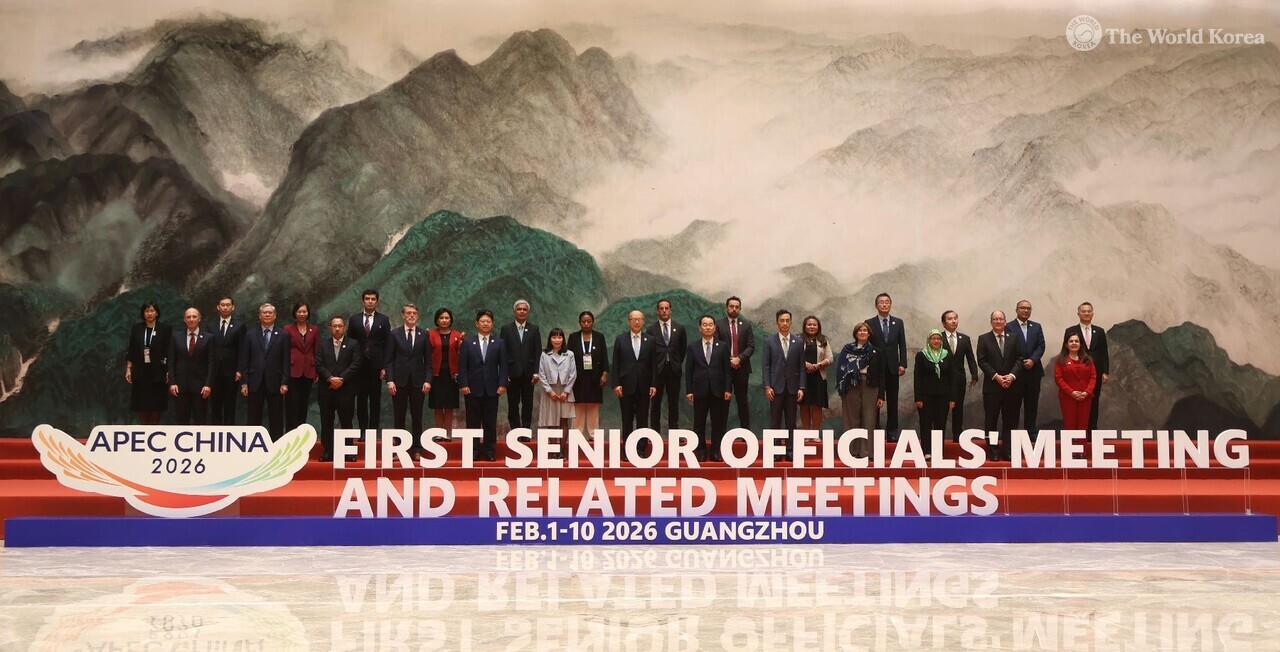
Overview: Launching the APEC “China Year”
The First APEC 2026 Senior Officials’ Meeting (SOM1) and its related events concluded in Guangzhou on February 10, 2026. This gathering officially launched a year-long series of activities under the theme “Building an Asia-Pacific Community to Prosper Together.” Consequently, the discussions established a foundational framework for the APEC Economic Leaders’ Meeting scheduled for November in Shenzhen.
Organizational Scope and Context
Originally commencing on February 1, the SOM1 cycle included a total of 55 individual meetings, workshops, and committee sessions. Furthermore, the events drew over 1,400 representatives from the 21 member economies, the APEC Secretariat, and the APEC Business Advisory Council. This high level of participation reflects a renewed regional commitment to multilateralism despite ongoing global economic challenges.
Structure of Regional Priorities
The 2026 agenda is organized around three primary pillars: openness, innovation, and cooperation. Specifically, Foreign Minister Wang Yi emphasized the necessity of building an interconnected Asia-Pacific that facilitates the safe and orderly flow of goods, capital, and data. Moreover, member economies engaged in deep dialogues regarding the digital economy, anti-corruption measures, and healthcare cooperation to ensure a comprehensive regional approach.
Advancements in Trade and Connectivity
A critical objective discussed during the meetings involves gathering momentum toward the Free Trade Area of the Asia-Pacific (FTAAP). Although the vision for the FTAAP has existed for two decades, current geopolitical shifts have made its implementation more urgent. In addition, delegates explored ways to improve regional connectivity networks and enhance the resilience of industrial supply chains against external shocks.
Innovation-Led Growth and Inclusivity
The meetings also highlighted the role of green and smart transformations as engines for future prosperity. For instance, discussions focused on bridging the digital and artificial intelligence divide to ensure that the benefits of new technologies are universally accessible. Therefore, supporting developing members through technical cooperation remains a priority to achieve “universally beneficial” development across the bloc.
Synthesis of the 2026 Roadmap
Beyond the technical sessions, the meeting solidified a commitment to synchronize macroeconomic policies, which is essential for stabilizing regional markets amid fluctuating global interest rates. This objective is closely linked to the acceleration of the FTAAP through greater connectivity among existing regional free trade agreements. Simultaneously, there is a clear intent to strengthen the regional network for digital governance to promote safe data flows. The integration of large-scale green technology and enhanced practical cooperation in anti-corruption are also seen as vital to building trust and attracting high-quality investment. Ultimately, the consistent schedule of over 300 activities planned for the year serves as the primary mechanism to ensure the realization of the Shenzhen Summit goals.
Source
Ministry of Foreign Affairs of the People’s Republic of China. (2026, February 11). Foreign Ministry Spokesperson Lin Jian’s Regular Press Conference on February 11, 2026. https://st.china-embassy.gov.cn/por/fyrth_11/202602/t20260211_11856582.htm