
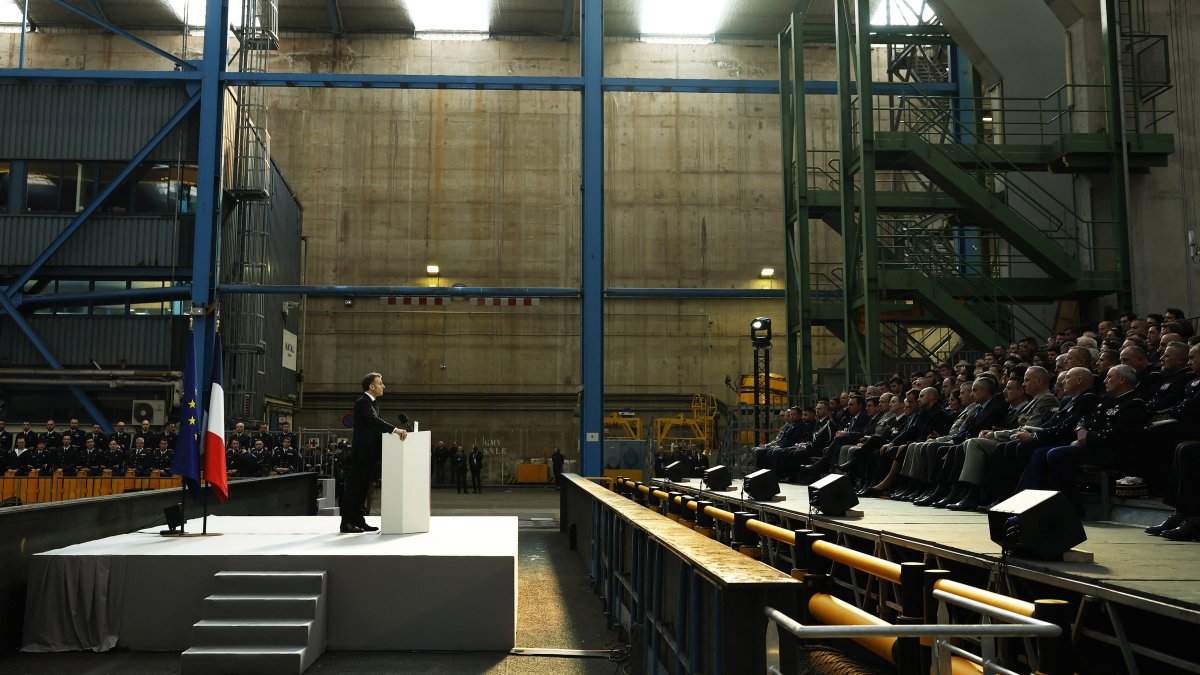
An analysis outlines proposals to harmonize national independent nuclear forces with broader transatlantic alliance defense architectures. The strategy proposes a concept of forward deterrence to strengthen European security amid ongoing regional conflicts and strategic restructuring. National leadership emphasizes maintaining strict operational independence while creating complementary capabilities alongside existing alliance nuclear frameworks.
The strategy introduces a temporary operational dispersal model that deploys strategic air assets to partner territories during heightened security crises. Unlike permanent allied nuclear-sharing arrangements, this dynamic deployment model aims to enhance strategic depth and provide flexible signaling mechanisms. Alliance partners are also invited to participate in joint military exercises to demonstrate political solidarity and operational coherence.
Bridging national defense doctrines with broader alliance strategies requires aligning conventional defense capabilities with nuclear escalation management. Key operational priorities include improving early warning systems, missile defense networks, and deep precision strike capabilities to maintain high nuclear thresholds. Carefully calibrated joint planning and continuous consultation are essential to prevent mixed strategic signals during international crises.
In conclusion, while the new forward deterrence model offers innovative pathways for European defense, successful harmonization depends on close coordination to ensure independent strategies reinforce rather than fragment collective deterrence.
Reference
Chevreuil, A., & Stokes, J. (2026, September 2). The Archipelago and the Umbrella: Harmonizing French and NATO Nuclear Deterrence. CSIS; Center for Strategic and International Studies. https://www.csis.org/analysis/archipelago-and-umbrella-harmonizing-french-and-nato-nuclear-deterrence