
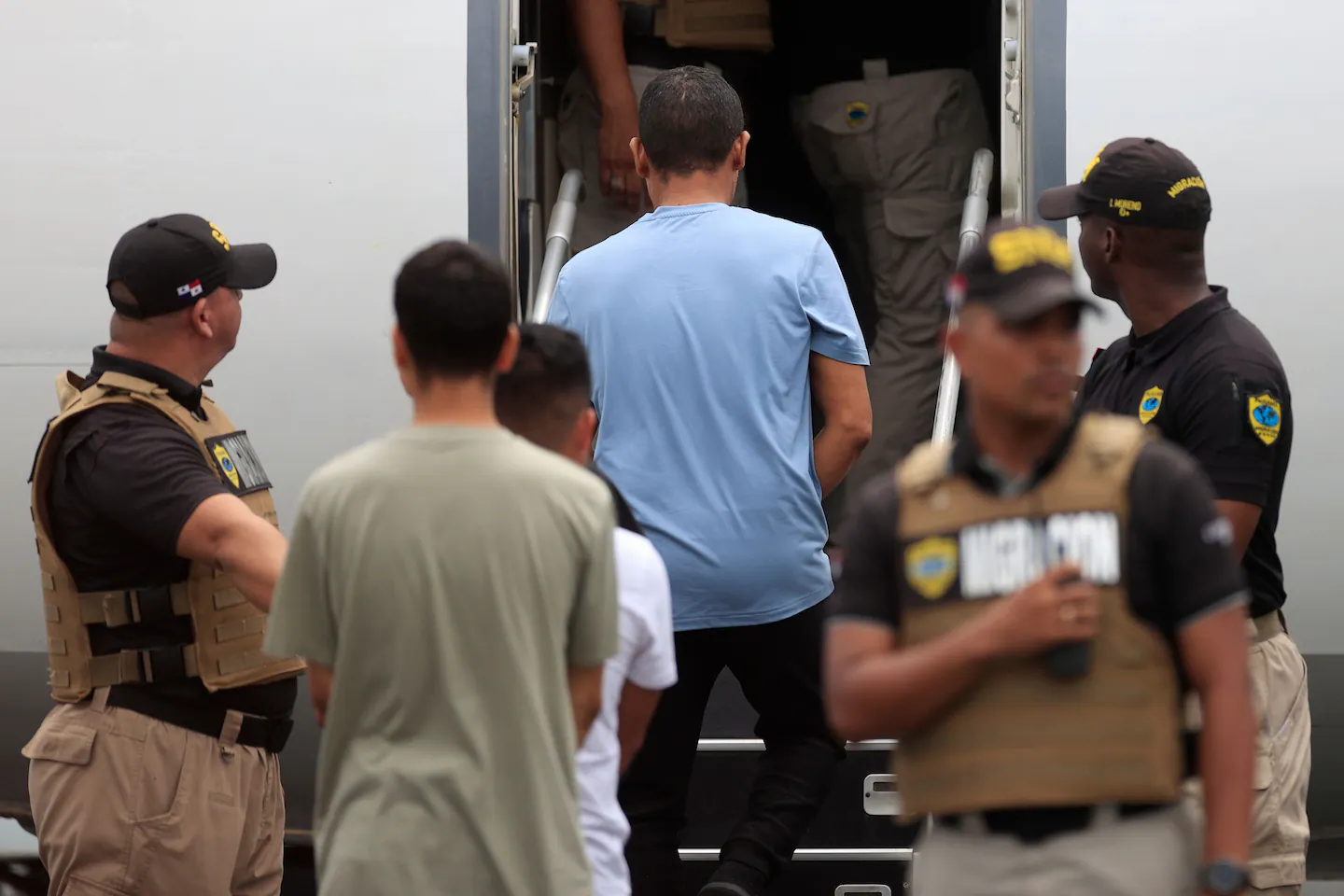
The United States has expanded the use of third-country deportations by offering financial incentives to governments willing to accept people with no ties to their territory. This policy emerged as Washington sought alternatives when countries of origin rejected returnees. Attorneys and human rights groups, however, question the legality, oversight, and ethical implications of these arrangements. Several governments involved have documented human rights abuses, deep corruption, or fragile institutions. Yet Washington has pressed ahead with payments, capacity-building commitments, and political concessions.
Equatorial Guinea
Washington transferred $7.5 million to Equatorial Guinea in exchange for accepting deported noncitizens. This payment exceeded all U.S. foreign assistance to the country over the past eight years. Concerns intensified because senior officials in Equatorial Guinea have been accused of corruption and involvement in human trafficking. Senator Jeanne Shaheen warned that funds could be misused. The senator cited a State Department report documenting official “complicity” in trafficking. The number of deportees accepted under the deal remains unclear.
Eswatini
The United States agreed to pay Eswatini $5.1 million to accept up to 160 deportees. Funds may support relocation and new border-management infrastructure. Despite the arrangement, the human rights situation in Eswatini remains serious, with documented abuses including torture and unlawful killings. Several deportees remain imprisoned without charges or legal access. One detainee, Roberto Mosquera, went on a prolonged hunger strike, prompting growing fears about his safety. Critics ask why people with no ties to Eswatini are being held in a maximum-security prison.
El Salvador
In March, Washington sent more than 250 Venezuelans to a high-security Salvadoran facility. The United States paid about $6 million for their detention, justifying the expense by claiming some detainees were MS-13 affiliates. All were returned to Venezuela in July as part of a negotiated exchange that secured the release of 10 Americans held in Caracas. This transfer unfolded despite criticism of El Salvador’s own record of harsh detention practices.
Rwanda
Rwanda accepted up to 250 deportees in return for an upfront payment of $7.5 million. Funds are intended to improve migration-management capacity, including relocation support. Rwanda has previously received smaller U.S. payments for individual deportees, including one Iraqi national. Despite its positioning as a capable partner, Rwanda faces longstanding allegations of backing the M23 armed group in eastern Congo. Observers warn that the new agreement contradicts earlier U.S. restrictions linked to Rwanda’s regional conduct.
Ghana
Ghana accepted at least 40 West Africans deported from the United States after receiving eased sanctions, tariff relief and immigration concessions. Officials portray the decision as consistent with West Africa’s free-movement norms, noting that regional nationals already enter Ghana visa-free for 90 days. Rights groups, however, argue that the arrangement lacks transparency. Some deportees have been repatriated to their home countries, while others remain in a military camp outside Accra.
Reference
Raji, T., & Weastfall, S. (2025, November 25). These countries are taking millions from Trump to accept U.S. deportees. The Washington Post. https://www.washingtonpost.com/world/2025/11/25/deportation-third-country-removals-trump/