
Tariffs Strike an Industrial Center
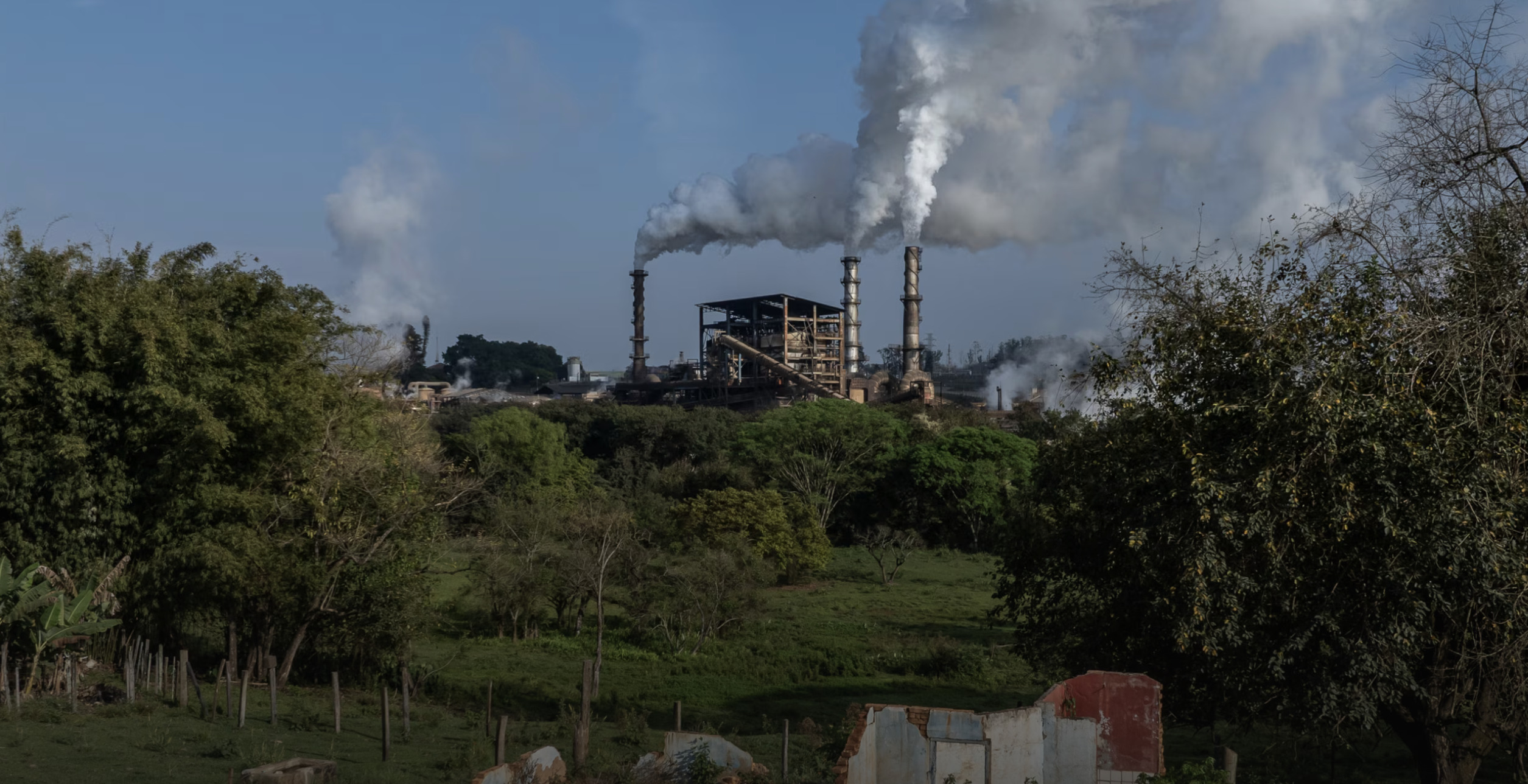
Piracicaba, a conservative Brazilian city of 440,000 people, depends heavily on machinery exports to the United States. President Donald Trump exempted major commodities, including coffee and orange juice, but left local machinery exposed to new tariffs. According to the industry group Simespi, the measures affect 40 to 50 companies employing about 10,000 workers. Machinery represented 80% of the city’s U.S.-bound exports during the first half of 2026. Mayor Helinho Zanatta described the levies as the most severe outside shock in the city’s history.
Although factories are still completing earlier orders, officials expect new business to weaken when those contracts end. Job losses could increase demand for public services while falling sales reduce municipal tax revenue. Caterpillar’s large local operation also faces uncertainty, raising fears of wider damage across its network of suppliers. Equipment dealer Laerte Bandeira said manufacturers have already cut prices more sharply than at any point in his 50-year career.
Political Support Begins to Shift
Trump presented the tariffs as a response to the alleged persecution of former president Jair Bolsonaro. However, the policy is creating problems for Brazil’s right in one of its strongest electoral bases. Piracicaba gave Bolsonaro 79% of its vote in 2018. Yet local conservatives now worry that the economic pain will benefit President Luiz Inácio Lula da Silva. A Quaest poll found that more voters blamed the Bolsonaro family for supporting the tariffs. Fewer accepted Flávio Bolsonaro’s claim that he opposed them.
Meanwhile, some residents appear exhausted by years of political conflict and show limited enthusiasm for Flávio’s presidential campaign. City councilman Fabrício Polezi said conservatives immediately recognized that the tariffs created a major political opportunity for the left. Even voters who once supported Jair Bolsonaro struggle to recall his son’s name. Therefore, pressure intended to weaken Lula may instead reinforce the president before Brazil’s October election.
China Gains an Opening
Facing reduced access to the U.S. market, Piracicaba is exploring closer economic ties with China. The city is discussing possible local operations with five large Chinese companies, and interest has grown since Washington’s first tariff round. Still, diversification will be difficult because Piracicaba spent decades building machines to American specifications. Such products cannot be redirected as easily as agricultural commodities.
At the same time, Chinese manufacturers are increasingly competitors rather than customers. China supplied 32.5% of Brazil’s machinery imports in 2025, nearly twice its share a decade earlier. Brazilian retaliation could further raise the cost of American engines and transmissions, encouraging local firms to seek other suppliers. Consequently, Trump’s policy risks weakening U.S. trade, harming a conservative Brazilian stronghold, and expanding Beijing’s influence without guaranteeing Piracicaba an easy alternative.
References
Pearson, S. (2026, August 29). This right-wing stronghold in Brazil is getting pummeled by Trump’s tariffs. The Wall Street Journal. https://www.wsj.com/world/americas/this-right-wing-stronghold-in-brazil-is-getting-pummeled-by-trumps-tariffs-059aa7db