
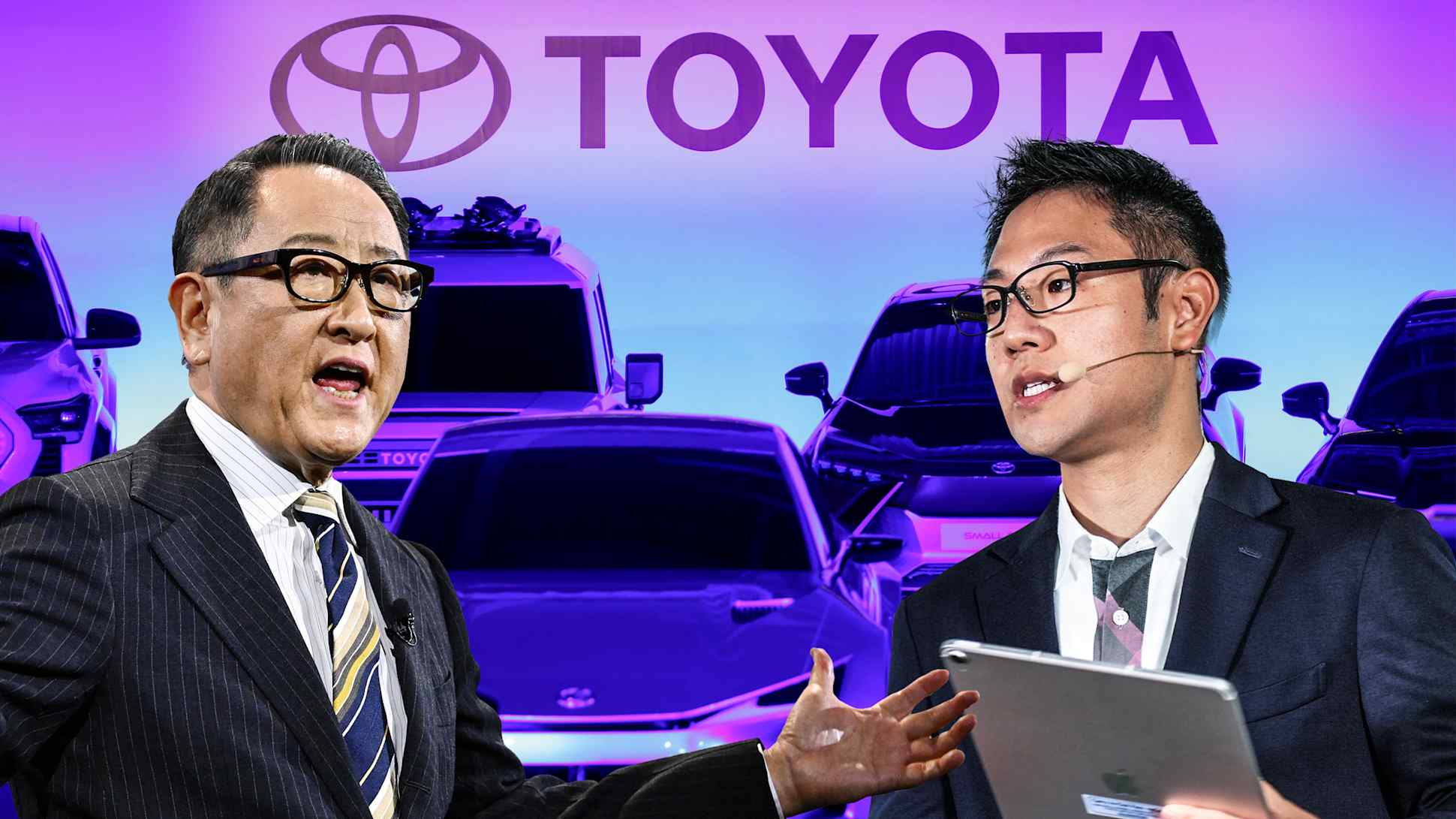
Toyota Prepares Its Next Generation of Leadership
Toyota Motor is accelerating its succession planning as the company prepares to face profound changes across the global automotive industry. According to Nikkei Asia, the Japanese automaker is strengthening its leadership development strategy to ensure long-term stability while responding to challenges such as electrification, artificial intelligence, software-defined vehicles and growing competition from Chinese manufacturers. The initiative reflects Toyota’s effort to maintain its position as the world’s largest automaker during a period of rapid technological transformation.
Leadership Renewal Supports Long-Term Strategy
The report explains that Toyota views succession planning as a strategic process rather than a simple executive replacement. Company leaders are preparing future executives capable of managing increasingly complex technological, financial and geopolitical environments. This approach seeks to preserve Toyota’s corporate culture while ensuring that the company can adapt quickly to changing consumer demands and industry trends.
The Automotive Industry Faces Historic Transformation
The global automotive sector is undergoing one of its most significant transitions in decades. Electrification, autonomous driving, connected vehicles and digital services are reshaping traditional business models. At the same time, manufacturers face pressure from stricter environmental regulations, supply chain uncertainty and intensified competition, particularly from Chinese electric vehicle producers. Toyota’s leadership strategy is designed to strengthen the company’s ability to respond to these structural changes.
Competition Extends Beyond Vehicle Manufacturing
Toyota’s future competitiveness increasingly depends not only on producing high-quality vehicles but also on developing software, artificial intelligence, batteries and mobility services. The company is investing heavily in digital transformation while expanding collaboration with technology partners to reinforce innovation and maintain profitability in a rapidly evolving market.
Global Implications for Manufacturing and Supply Chains
As one of the world’s largest automobile manufacturers, Toyota’s strategic decisions influence suppliers, investors and industrial production across multiple regions. Changes in leadership and corporate strategy can affect investment priorities, manufacturing networks and technological development throughout the global automotive industry. The company’s direction will also shape the future competitiveness of Japan’s manufacturing sector.
International Relevance
Overall, Nikkei Asia shows that Toyota’s accelerated succession planning reflects the broader transformation occurring throughout the global automotive industry. Preparing a new generation of leadership has become essential as companies navigate technological disruption, geopolitical uncertainty and evolving consumer expectations. For the OGU, the topic is internationally relevant because it connects corporate governance, industrial competitiveness, technological innovation and global manufacturing.
Reference: Nikkei Asia. (2026, July 29). Toyota accelerates succession planning to meet auto industry challenges. https://asia.nikkei.com/business/business-asia/toyota-accelerates-succession-planning-to-meet-auto-industry-challenges