
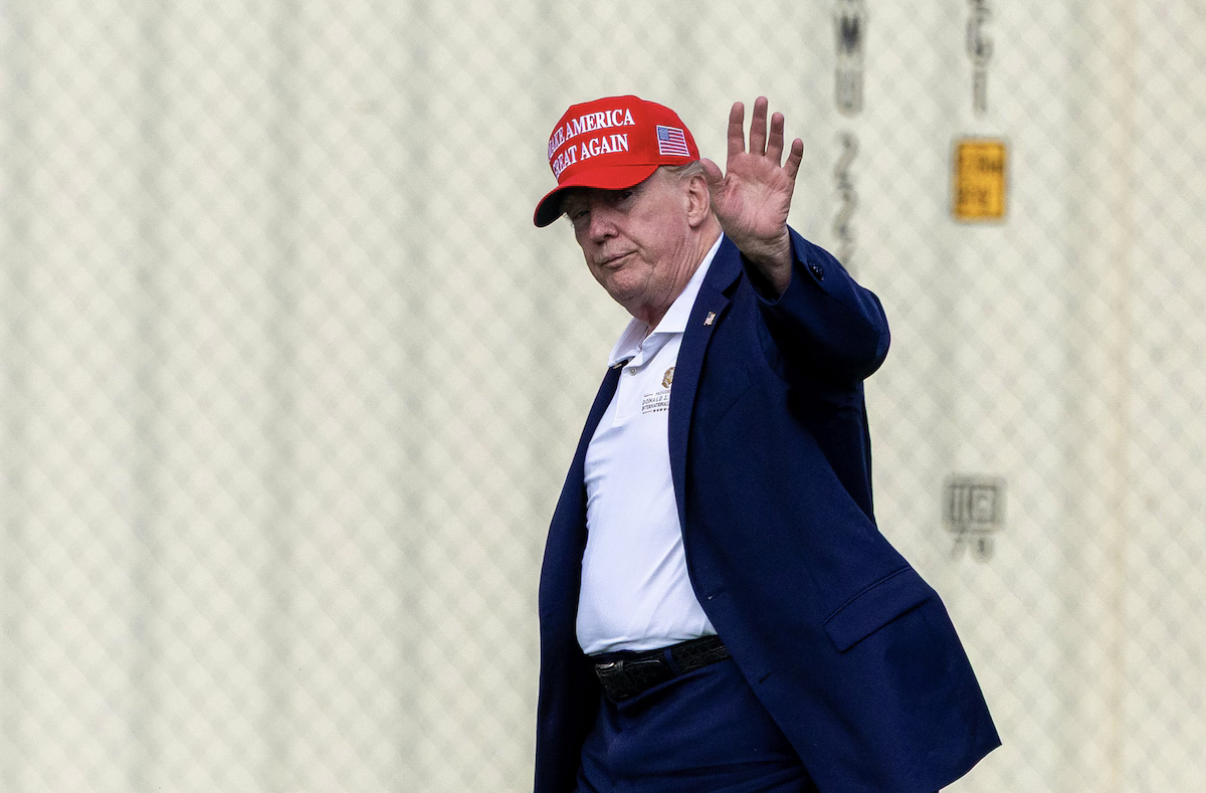
President Donald Trump has ordered the United States to significantly reduce its joint military exercises with South Korea, citing the high cost of the drills and his desire to avoid actions that could appear hostile to North Korea. In a post on Truth Social, Trump also highlighted what he described as his “very good relationship” with North Korean leader Kim Jong Un.
The decision, reported by The Washington Post on August 16, 2026, comes as the Trump administration seeks to reopen dialogue with Pyongyang. At the same time, Washington faces broader military and diplomatic pressures linked to the war with Iran. The announcement therefore raises questions about the future of the U.S.-South Korea security partnership and Washington’s approach to North Korea.
Trump Calls for Fewer Military Exercises
Trump said he instructed Defense Secretary Pete Hegseth to substantially reduce U.S.-South Korean military exercises. He argued that the drills cost the United States too much and send an unnecessarily hostile message to North Korea.
However, the announcement does not immediately cancel the exercises already scheduled. Trump acknowledged that it was too late to cancel the drills planned to begin on Monday. The United States and South Korea had previously indicated that the exercises would maintain a scale similar to previous years.
The decision nevertheless signals a possible change in Washington’s approach to joint military training with Seoul. For decades, these exercises have formed an important part of the two countries’ military cooperation and readiness on the Korean Peninsula.
The Role of Kim Jong Un
Trump’s relationship with Kim Jong Un plays a central role in the decision. The president has repeatedly emphasized his personal relationship with the North Korean leader and has expressed interest in renewing direct engagement with Pyongyang.
During Trump’s first administration, the two leaders moved from threats and confrontational rhetoric toward direct diplomacy. They held several meetings and pursued negotiations over North Korea’s nuclear program. Despite those efforts, however, the talks did not produce a lasting agreement on denuclearization.
Trump later sought to reestablish contact with Kim. The South Korean president, Lee Jae Myung, said Trump had expressed interest in resuming dialogue with North Korea during a meeting at the Group of Seven summit in France. According to Lee, Trump also acknowledged the difficulty of finding a way to restart negotiations.
Military Exercises and North Korean Opposition
North Korea has consistently opposed U.S.-South Korean military exercises. Pyongyang views the drills as preparations for a potential attack and has frequently responded with threats or military demonstrations.
The latest exercises have generated a similar reaction. According to The Washington Post, North Korea described the planned drills as a war rehearsal and threatened to respond.
Trump’s decision therefore addresses one of Pyongyang’s longstanding objections to the U.S.-South Korean military presence. However, the reduction does not indicate that North Korea has changed its position on nuclear weapons.
South Korea and the Iran Conflict
Trump also connected his criticism of Seoul to the war with Iran. He said South Korea had declined a U.S. request to participate in American efforts related to the denuclearization of Iran.
The president presented South Korea’s decision as another point of disagreement between Washington and Seoul. The South Korean Embassy did not immediately respond to The Washington Post’s request for comment.
This dispute adds another layer to the U.S.-South Korea relationship. Washington and Seoul continue to cooperate on security issues in East Asia, but they do not necessarily share the same priorities on every international conflict.
Meanwhile, the United States has faced growing military pressures because of the war with Iran. The conflict has entered its sixth month, while some U.S. officials have warned about Pentagon funding difficulties and severe ammunition shortages. Trump’s criticism of the cost of military exercises therefore comes amid broader questions about American military resources.
Implications for U.S. Policy in East Asia
The decision to reduce military exercises reflects several priorities within Trump’s foreign policy. First, the president emphasizes the financial cost of military commitments. Second, he seeks to avoid actions that could undermine his relationship with Kim Jong Un. Finally, he continues to prioritize direct engagement with foreign leaders as a tool of diplomacy.
The approach could create greater space for dialogue between Washington and Pyongyang. Reducing exercises could also remove one of the issues that North Korea frequently cites as evidence of U.S. hostility.
However, the move also raises questions about the role of military exercises in the U.S.-South Korea alliance. The drills help maintain operational readiness and coordination between the two countries. Any substantial reduction could therefore affect an important component of their defense cooperation.
At the same time, the available evidence does not show a corresponding concession from North Korea. Pyongyang continues to maintain its nuclear capabilities, and the source does not report a new commitment from Kim Jong Un to abandon or limit the country’s nuclear program.
Trump’s decision to reduce U.S.-South Korean military exercises represents a significant adjustment in Washington’s approach to security on the Korean Peninsula. The president links the policy to the cost of the drills, his desire to avoid antagonizing North Korea and his relationship with Kim Jong Un.
The announcement also illustrates the broader pressures affecting U.S. foreign policy. Washington must manage its security commitments in East Asia while dealing with the war in Iran and disagreements with South Korea over its participation in that conflict.
Ultimately, the reduction of military exercises does not yet amount to a new agreement with North Korea. Instead, it signals Trump’s intention to create more favorable conditions for renewed engagement with Kim Jong Un while maintaining the broader U.S.-South Korean security relationship.
Reference
Zakrzewski, C. (2026, August 16). Trump reduces military exercises with South Korea, citing good ties with Kim Jong Un. The Washington Post. https://www.washingtonpost.com/politics/2026/08/16/trump-reduces-military-exercises-with-south-korea-citing-good-ties-with-kim-jong-un/