
Voluntary accord establishes company reviews
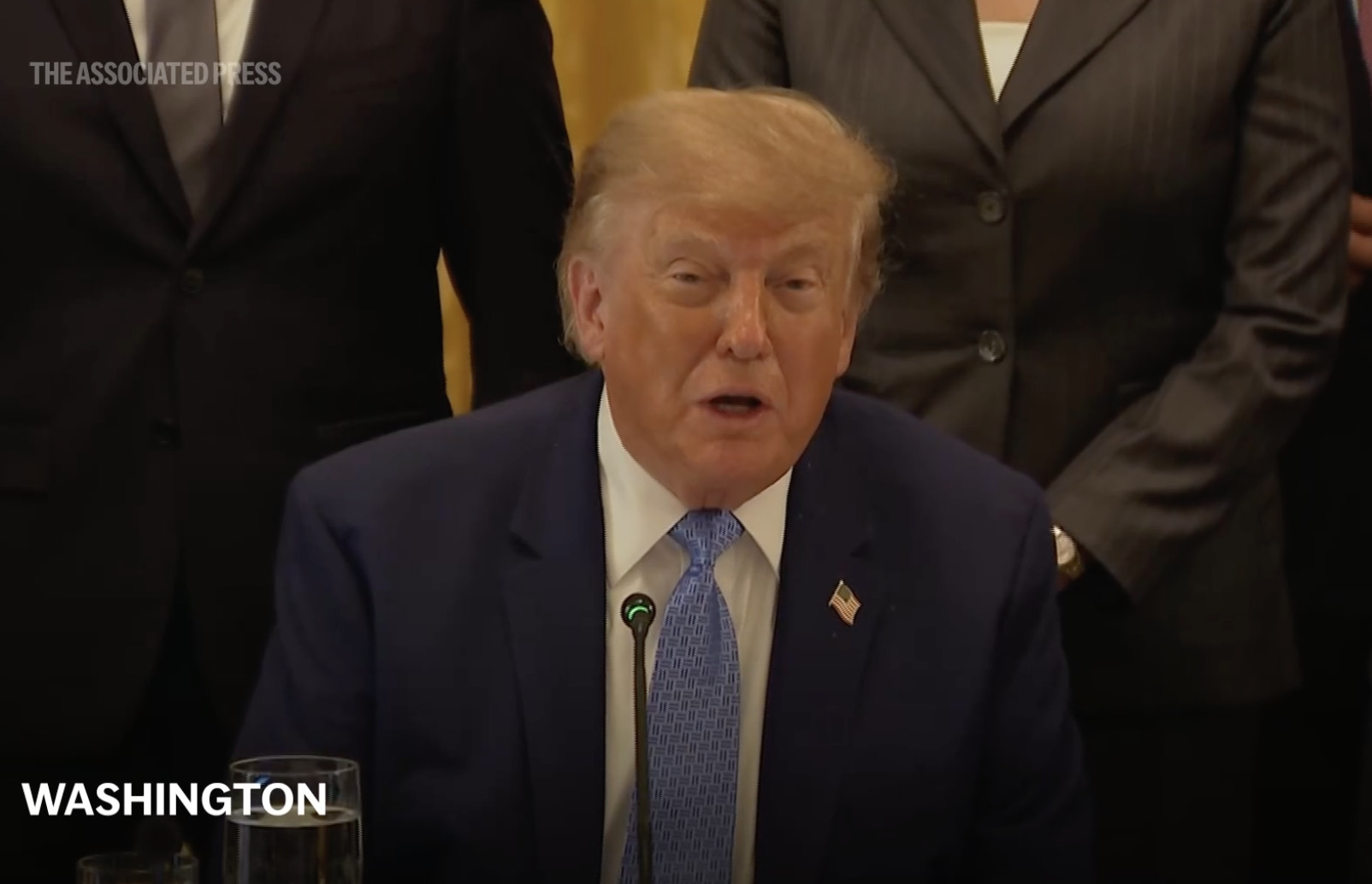
President Donald Trump and leaders from major artificial intelligence companies signed a voluntary agreement at the White House. The accord aims to address public fears about the technology through company-led oversight. Executives from Anthropic, Google, Meta, OpenAI, Nvidia and xAI participated. Trump said the industry understood the need to supervise itself. The document also left open the possibility of future laws or regulations.
First, each company will establish strong internal controls for its AI development. Independent external auditors will then examine whether those controls work. Board committees will review reports from both internal and outside evaluators. Trump called the commitment morally binding. In addition, he suggested creating a broader committee of about 10 people and naming someone to oversee the agreement.
Experts debate reliance on self-policing
Supporters argued that the accord could preserve innovation while improving safety and security. University of Southern California professor Shri Narayanan said stronger safeguards can also advance innovation. At the same time, Anthropic CEO Dario Amodei warned that the technology presents real risks. He said the right way to manage those risks remains unsettled.
However, other specialists questioned whether voluntary action would adequately protect the public. Robin Jia of the University of Southern California focused on the decisions made by leading laboratories. He said those choices must remain aligned with Americans’ interests as AI models become more capable. Meanwhile, Alex Pascal of the Berkman Klein Center criticized the accord’s broad language. Pascal called for legal liability, regulation and changes to competitive pressures that can encourage unsafe decisions.
Administration promotes growth and infrastructure
Earlier that day, Trump said the federal government would not restrict AI development. He also introduced America.gov, a chatbot designed to help people navigate government services. Administration officials said the tool could eventually support fully online applications for a first passport. In addition, Trump portrayed AI development as a competition in which the United States must remain ahead of China.
Finally, the White House meeting addressed opposition to data centers being built across the country. Trump said technology companies would offer more support to local schools or help communities reduce energy costs. These benefits, he argued, could make data centers more popular. He also warned that continued resistance could push companies to build the facilities overseas or elsewhere.
References
Rugaber, C., Weissert, W., & Kinnard, M. (2026, September 29). Trump says top tech firms have signed accord to ‘self-police’ AI development. AP News. https://apnews.com/article/trump-ai-anthropic-musk-595796511f110fc006cca0d01329733e