
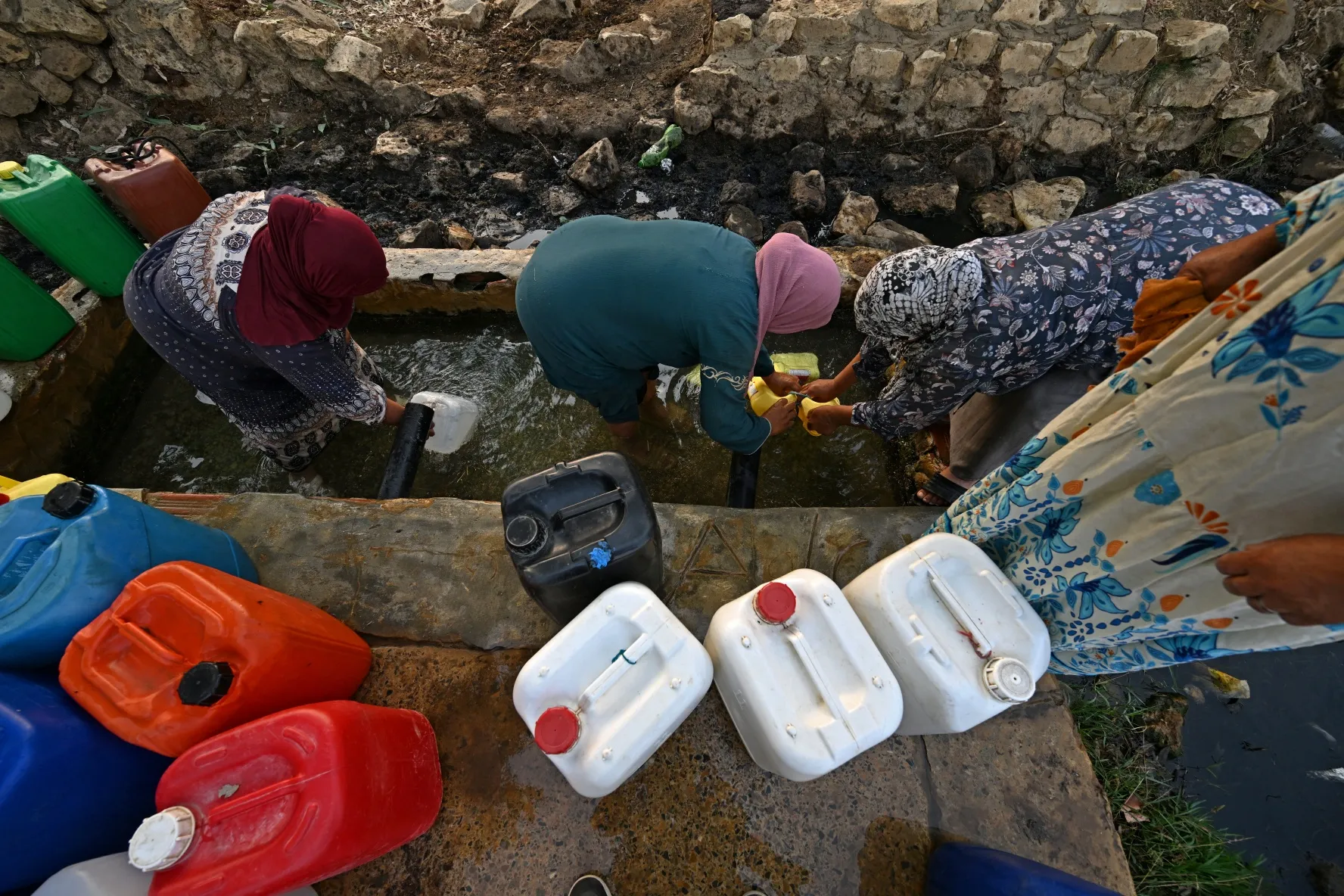
Five years after seizing power, Tunisian President Kais Saied is facing severe public discontent as the country endures severe water and electricity shortages during record heatwaves. The daily outages have disrupted hospitals, contributed to civilian deaths, and sparked nationwide street protests. While Saied previously maintained support by blaming economic hardship on political opponents, foreign entities, and corrupt elites, these populist conspiracy narratives are increasingly failing to resonate. The shortages stem from years of government underinvestment and heavy debt burdening state utility companies. In short, ompounded by Saied’s refusal to engage with international financial institutions like the International Monetary Fund.
The crisis has begun fracturing the regime’s internal support base. Members of parliament, once viewed as largely compliant, have publicly questioned the administration’s legitimacy and initiated motions of censure. Meanwhile rumors regarding the president’s health have prompted political maneuvering within his inner circle. Short-term emergency measures, such as military water distribution and temporary power imports from neighboring Algeria, have failed to address the systemic infrastructure failures or quell public anger. Additionally, threats of intervention by neighboring leadership against domestic protesters have fueled nationalist pushback against the administration.
In conclusion, Tunisia’s infrastructure collapse exposes the limitations of populist governance, turning basic utility access into a fundamental challenge to the regime’s authority. As public frustration mounts and internal dissent grows, the failure to deliver basic services threatens the administration’s stability. Ultimately, it could clear the way for a potential return to democratic governance.
Reference
Grewal, S. (2026, August 10). Tunisia’s summer of discontent. Brookings. https://www.brookings.edu/articles/tunisias-summer-of-discontent/