
Washington Broadens Its Technology Crackdown
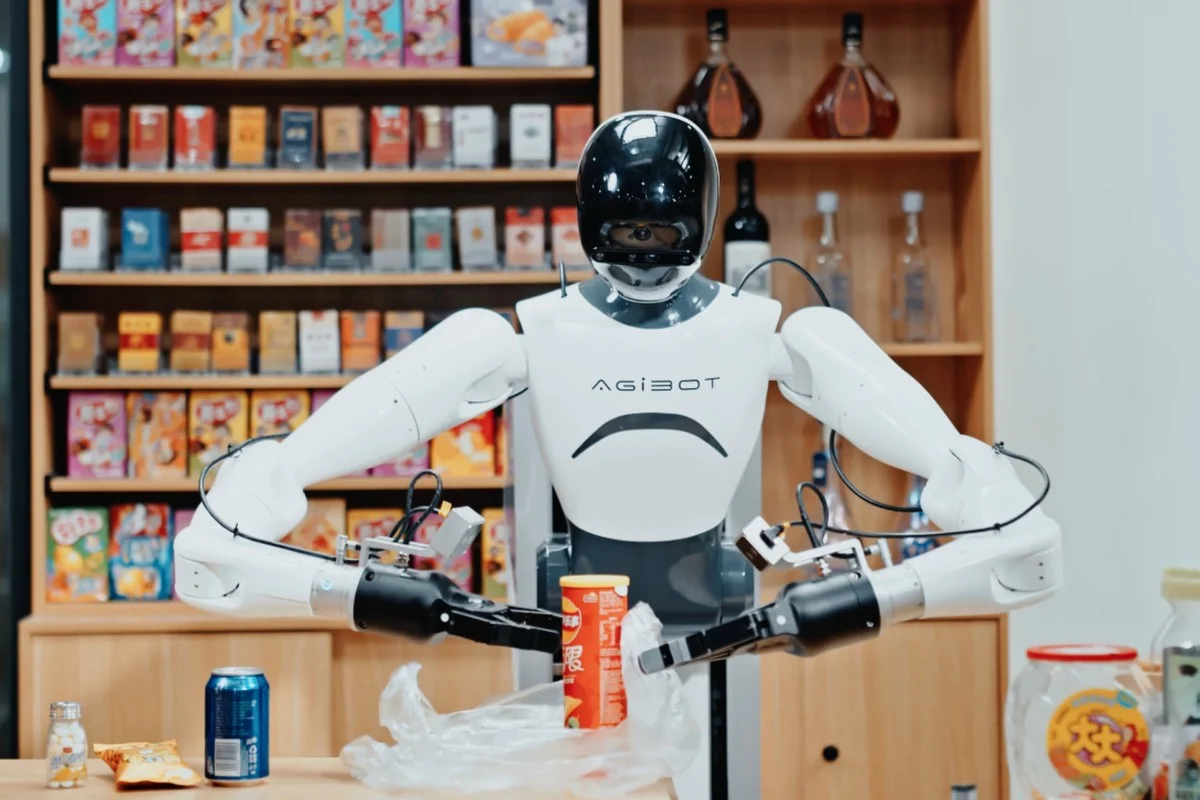
The United States has expanded its technology restrictions against China by banning the import and sale of new Chinese-made advanced robots and connected power inverters. According to the South China Morning Post, the Federal Communications Commission (FCC) justified the decision by arguing that these technologies pose risks to U.S. national security, critical infrastructure and supply chain resilience. The restrictions apply to new products seeking authorization and form part of Washington’s broader strategy to reduce dependence on Chinese technology in strategic industries.
National Security Concerns Drive the Decision
U.S. officials argue that advanced robots—including humanoid and quadruped robots—could potentially be exploited for surveillance, cyberattacks or remote interference because of their network connectivity. Likewise, connected power inverters, which play a key role in renewable energy systems and electricity grids, are viewed as possible cybersecurity vulnerabilities if controlled by foreign adversaries. Existing products already authorized in the United States are not affected by the new measures.
China Rejects the Restrictions
Chinese authorities criticized the decision, describing it as another example of protectionism and an attempt to limit China’s technological development. Beijing warned that the restrictions could further damage bilateral economic relations and pledged to protect the legitimate interests of Chinese companies. The dispute adds another chapter to the growing technological rivalry between the world’s two largest economies, which already includes restrictions involving semiconductors, artificial intelligence, telecommunications and advanced manufacturing.
Strategic Technologies Become the New Battleground
The measures illustrate how emerging technologies such as robotics, artificial intelligence and renewable energy equipment have become central to geopolitical competition. Both Washington and Beijing increasingly view technological leadership as a matter of national security, economic competitiveness and military capability. As governments seek greater control over critical supply chains, companies operating in these sectors face growing regulatory uncertainty.
Implications for Global Supply Chains
The restrictions could affect manufacturers, research institutions and technology firms that rely on Chinese robotic systems or power equipment. They may also accelerate efforts to diversify supply chains and expand domestic production of strategic technologies in the United States and allied countries. At the same time, the measures risk increasing costs for businesses and deepening the technological divide between competing economic blocs.
International Relevance
Overall, the South China Morning Post shows that the latest U.S. restrictions represent another escalation in the strategic competition between Washington and Beijing. The decision demonstrates how national security concerns are increasingly shaping global trade and technology policy. For the OGU, the topic is internationally relevant because it connects geopolitical competition, cybersecurity, industrial policy, artificial intelligence, supply chain resilience and international trade.
Reference: South China Morning Post. (2026, July 29). US bans new Chinese robots, power inverters in latest tech crackdown. https://www.scmp.com/news/china/diplomacy/article/3362185/us-bans-new-chinese-robots-power-inverters-latest-tech-crackdown