
The Transition from “Battlefield Nation” to “Resource Guarantor”
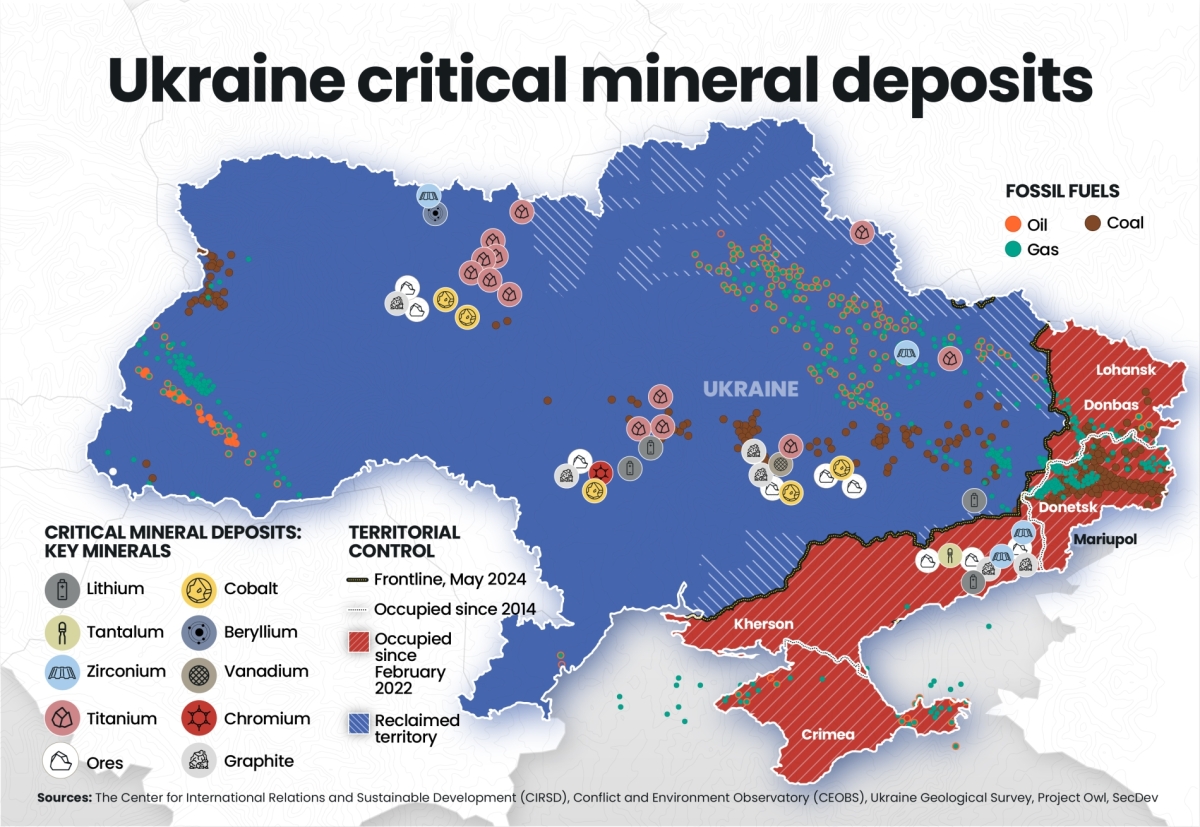
By mid-2026, the strategic narrative surrounding Ukraine has transitioned from survival to Integration. The CFR symposium highlights that Ukraine’s vast, largely untapped reserves of lithium, titanium, and rare earth elements are now being viewed as the “economic anchor” for its reconstruction. Consequently, the defense of Ukraine is being reframed as a vital interest for the West’s Green Transition. This suggests that private capital investment in Ukrainian mines is being treated not just as a business opportunity, but as a component of the NATO-aligned “Integrated Deterrence” strategy.
Origins and the “Critical Raw Materials” Pivot
Originally, Ukraine’s mineral wealth was a secondary concern compared to its grain exports. However, the origin of the current focus lies in the 2025 Supply Chain Shocks and the Chinese Electrostate (Article #112) dominance. As Western nations seek to “de-risk” from Beijing, Ukraine has emerged as a geographically proximate alternative for the European battery industry. For 2026, the “Aligning Capital” initiative seeks to provide sovereign guarantees for private investors to enter a high-risk combat zone. Furthermore, the report emphasizes that the April 13 Islamabad Impasse (Article #107) has made the security of “Atlantic-based” minerals even more urgent as maritime trade routes remain volatile.
The Structure of “Secured Reconstruction”
The structure of the mineral-based reconstruction plan is organized around three pillars:
- Public-Private Security Pacts: Utilizing private military contractors and state-backed insurance to protect mining sites from continued Russian long-range strikes.
- The “Greening” of the Donbas: Proposing that the reconstruction of the east be centered on high-tech mineral processing hubs, effectively moving Ukraine up the “value chain” from extraction to manufacturing.
- Institutional Friction: The article highlights a growing debate within the European Commission; while some favor fast-tracking Ukraine’s entry into the EU’s Single Market for minerals, others fear that the lack of anti-corruption reforms in Kyiv will lead to a “resource curse” or oligarchical capture of the new industry.
Synthesis of the “Economic Shield” and the Stability-Risk Paradox
The successful utilization of Ukraine’s minerals now faces a paradox where the Pursuit of Capital requires a level of stability that only a Permanent Peace can provide. This represents the “Economic Shield” theory in Political Science—if Western corporations own the mines, the Western military must protect them. There is a clear intent among the symposium participants to link Ukraine’s economic survival to the West’s technological future. Ultimately, it is clear that for 2026, the reconstruction of Ukraine is being designed as a project of Geopolitical Extraction; the goal is to ensure that while Russia may occupy territory, the West owns the future of the global supply chain.
Reference
Council on Foreign Relations. (2026, April 18). Ukraine’s critical minerals: Aligning capital, security, and reconstruction. CFR Events & Transcripts. https://www.cfr.org/event/ukraines-critical-minerals-aligning-capital-security-and-reconstruction