
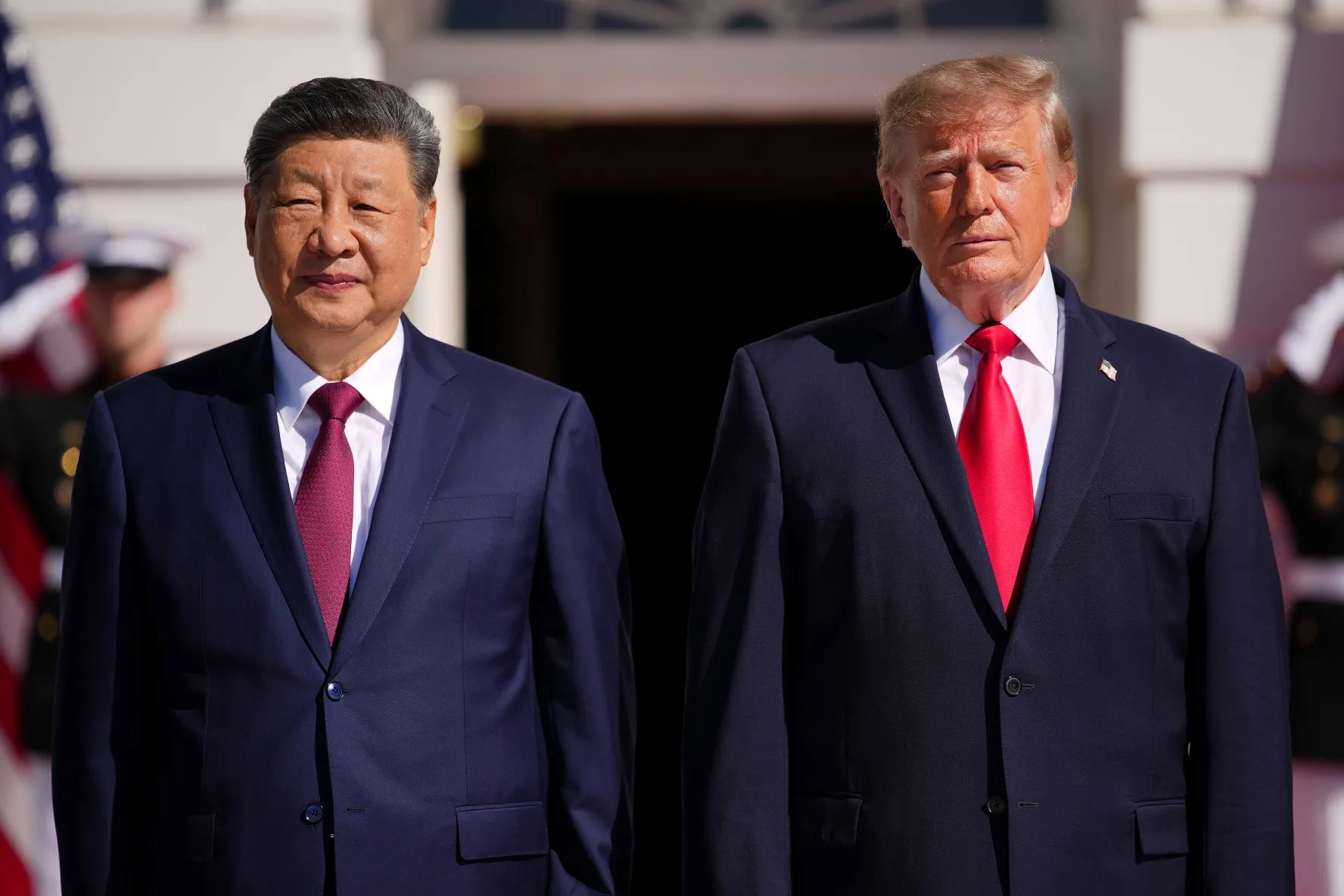
The Trump-Xi summit took place during Chinese President Xi Jinping’s state visit to Washington. Xi visited the United States from September 23 to 25, 2026. The meeting focused on trade, security, technology, and U.S.-China relations.
According to Brookings experts, the summit produced several agreements. However, they also identified important issues that remain unresolved. Therefore, the meeting may reduce tensions without solving deeper disputes between both countries.
Trade and Economic Relations
One important result was the extension of the existing trade truce. Specifically, the United States and China agreed to continue negotiations on several economic issues.
Furthermore, the two countries discussed critical minerals and technology. China controls important parts of global supply chains for rare earth elements. The United States has also imposed restrictions on some advanced technologies.
However, Brookings experts note that these issues remain unsettled. The new agreements may reduce tensions in the short term. Nevertheless, they do not resolve broader concerns about trade and industrial policies.
In addition, both governments agreed to continue bilateral economic discussions. These include a new Board of Trade and further negotiations. Therefore, future meetings will be important for determining whether these agreements produce lasting changes.
Security and Global Issues
The summit also addressed several security-related issues. However, Brookings experts noted limited progress on some major disputes.
For instance, artificial intelligence remains an important issue in U.S.-China relations. The two countries are expected to continue discussions about AI. Nevertheless, the summit did not resolve broader disagreements about technology and national security.
Similarly, the meeting provided limited attention to fentanyl and synthetic drugs. According to Brookings, both countries have previously cooperated on law enforcement. However, several challenges involving chemical precursors and illegal drug networks remain.
Taiwan also remains a major issue in the bilateral relationship. The summit did not produce a major public agreement on Taiwan. Therefore, the question continues to influence U.S.-China security relations.
The Future of U.S.-China Relations
The summit also created plans for additional meetings. Specifically, Trump and Xi are expected to attend international meetings later in 2026. These meetings could provide opportunities for further negotiations.
At the same time, the Brookings experts offer different assessments of the summit. Some emphasize the value of continued dialogue between Washington and Beijing. Others argue that several structural problems remain unresolved.
Overall, the summit produced agreements on trade and continued diplomatic engagement. However, it did not settle the main disagreements between the United States and China. Consequently, the future of the relationship will depend on the implementation of these agreements.
Therefore, the summit can be understood as part of an ongoing process. Both governments continue negotiating while managing economic and security tensions. The next meetings will show whether the current agreements can lead to more stable relations.
Reference
Brookings Institution. (2026, September 29). What did the Trump-Xi summit actually accomplish? https://www.brookings.edu/articles/what-did-the-trump-xi-summit-actually-accomplish/