
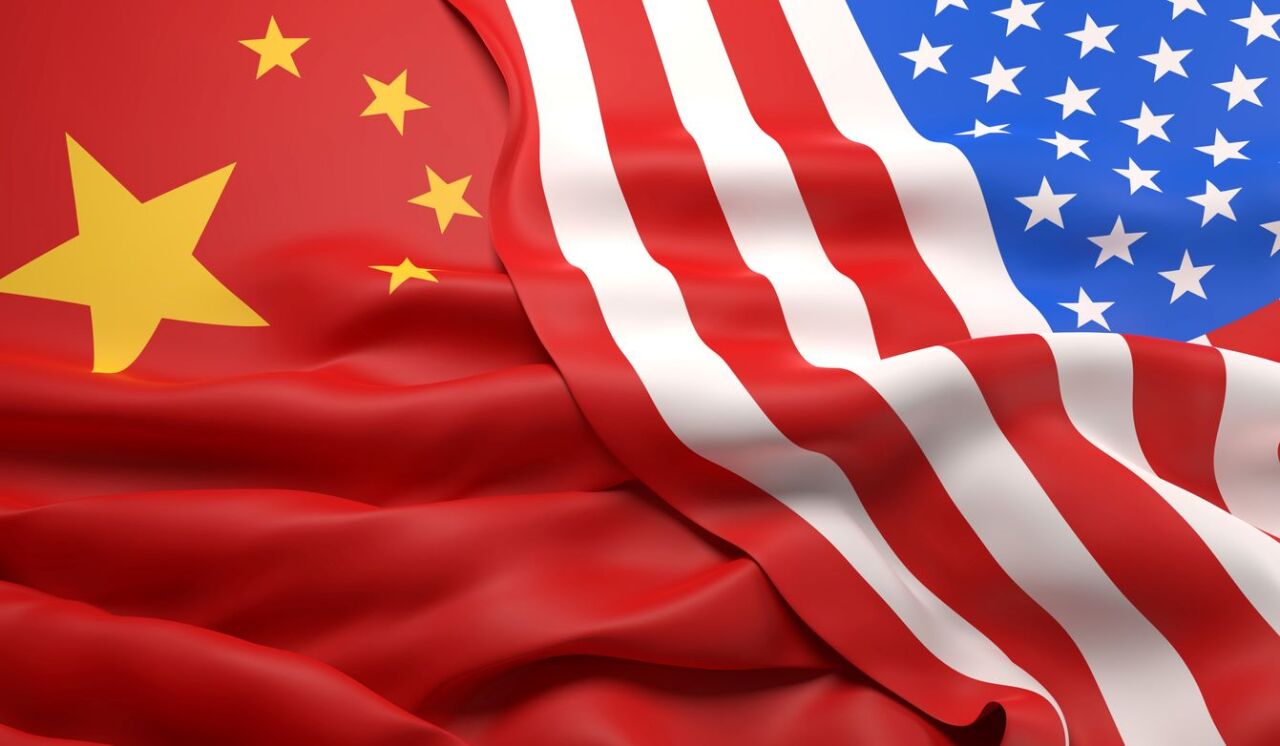
The upcoming meeting between Donald Trump and Xi Jinping represents a critical turning point for global stability in an increasingly volatile international landscape.
According to a recent analysis by the Brookings Institution, China’s primary objectives for this summit extend far beyond simple trade agreements. Instead, Beijing is focused on securing its status as a global superpower and managing sensitive geopolitical flashpoints, such as the situation in Taiwan and ongoing tensions in the Middle East.
Although the summit was originally delayed due to the conflict in Iran, this postponement has provided China with an unexpected strategic advantage. While the United States remains preoccupied with regional security in the Strait of Hormuz, Beijing has used this time to project an image of a steady and responsible global actor.
Consequently, China has been able to contrast its perceived domestic stability with the shifting military and diplomatic priorities of Washington.
Regarding specific goals, Xi Jinping is seeking a relationship based on mutual respect and what he terms a “correct perception” of China’s rise. In practical terms, this means Beijing wants the United States to reduce its military support for Taiwan and explicitly oppose any moves toward the island’s independence.
To facilitate these political concessions, China appears willing to engage in transactional diplomacy. For instance, Beijing may offer to increase purchases of American agricultural products, energy, and aircraft in exchange for a reduction in trade barriers.
In conclusion, the analysis suggests that both leaders are currently driven by a shared sense of pragmatism. While the underlying structural rivalry between the two nations remains unchanged, both sides want to prevent the relationship from spiraling into an open conflict.
Trump remains focused on achieving tangible economic victories for his domestic base, whereas Xi seeks a stable external environment to address internal challenges. Therefore, the summit serves as a vital mechanism for managing competition rather than resolving it entirely.
Reference
Chan, K., Czin, J. A., Hass, R., & Kim, P. M. (2026, April 1). What does China want from a Trump-Xi summit? Brookings Institution. https://www.brookings.edu/articles/what-does-china-want-from-a-trump-xi-summit/