
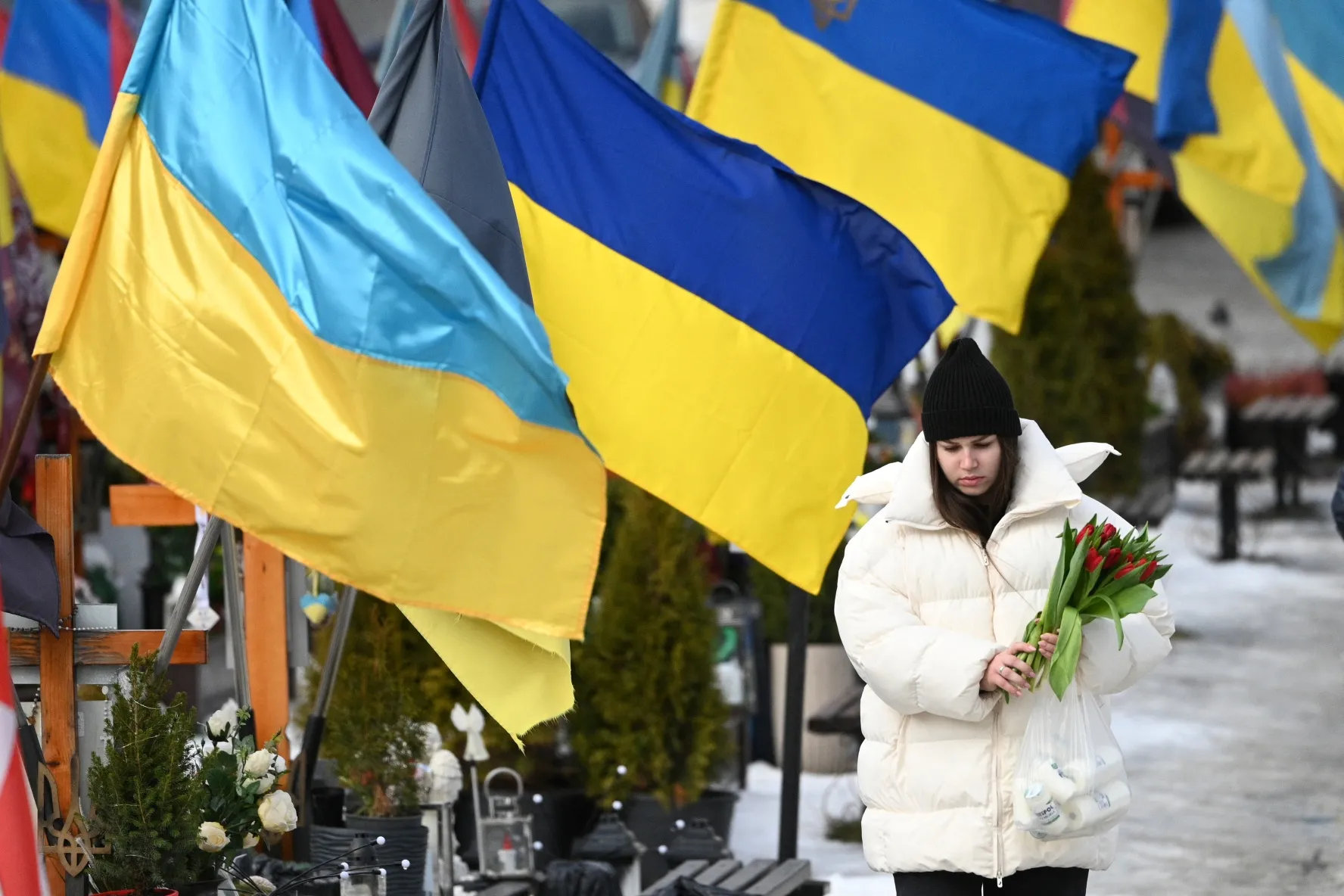
Overview of the War Four Years Later
Russia’s full-scale invasion started in February 2022, continuing with high casualties and ongoing combat across Ukraine. Peace negotiations persist, but major breakthroughs remain elusive.
Prospects for Diplomatic Breakthroughs
First, Ankara and Washington share urgency for negotiations, though Turkey doubts Putin will be swayed by economic incentives.
Moreover, Russia’s slow Donetsk advance may tempt Putin toward talks if security arrangements become acceptable.
However, a meaningful ceasefire this summer appears unlikely without clearer compromise on security and territory.
Russian Constraints and Domestic Pressures
Russia’s war effort suffers from deep economic contraction, shrinking resources, and costly attrition.
Furthermore, declining oil revenues and large deficits limit Moscow’s ability to expand the offensive.
Meanwhile, growing public weariness and resource shortages could force Putin to de-escalate.
Ukraine’s Political Landscape and Peace Deal Effects
Ukraine’s political evolution contrasts with Russia’s centralized governance, given civil society influence even amid wartime governance shifts.
At the same time, wartime conditions reduced legislative power, elevating executive decision making. Yet strong popular resistance to corruption demonstrates resilient civic accountability despite the crisis.
Also, any peace agreement must reflect broad domestic support, not just elite decisions abroad.
American Security Guarantees and Their Credibility
Reliable U.S. “security guarantees” have become central to peace discussions, especially for Ukraine’s postwar confidence.
However, recent U.S. leadership positions make credible guarantees doubtful, particularly in the long term.
Consequently, helping Ukraine build its own deterrence may prove more effective than weak promises.
Central and Eastern European Perspectives
Eastern and Central Europe broadly see the United States as indispensable, even if reliability worries persist. Poland remains strongly supportive of Ukraine, despite political pushes critical of aid within its borders.
Conversely, leaders like Hungary’s Viktor Orbán oppose stronger Ukraine support but remain in NATO and EU structure. Similarly uneven stances in Slovakia and Czechia reflect mixed approaches to security and Ukraine assistance.
EU Membership Challenges for Ukraine
Ukraine aspires to EU membership, yet systemic reforms and corruption challenges hinder progress. Moreover, Hungary’s veto blocks formal accession negotiations, slowing integration efforts.
If membership occurs, budget and political complexities among EU members could intensify. Additionally, Article 42.7 security obligations would tie Ukraine’s defense to EU-wide commitments.
Military Lessons from the Conflict
War developments show that no single technology ensures victory; adaptability matters most. Also, combining intelligence with planning produced transformational operations for Ukraine. Crucially, prolonged conflict often evolve into ambiguous wars, defying quick conclusions.
Nuclear Risks and Geopolitical Stakes
Russia’s nuclear threats aimed to intimidate allies yet failed to halt Western support. U.S. interests now focus on preventing Russian victory, attacks on NATO allies, and nuclear escalation. Thus peace must ensure both sides face greater costs for violating any agreement.
European Role in Continued Support
Europe has increased financial support, including a multiyear loan package, arms and strategic funding. Additionally, discussions about postwar security guarantees reflect deeper European engagement.
However, Ukraine’s leadership views European efforts as insufficient given battlefield needs. Nevertheless, Europe’s contributions are vital amid NATO and U.S. policy uncertainties.
Source:
Aydıntaşbaş, A., Baev, P. K., Budjeryn, M., Gordon, P. H., Grzymała-Busse, A., Hamilton, D. S., Karlin, M., Pifer, S., Sisson, M. W., Stelzenmüller, C., Wright, T., & otros. (2026, 17 de febrero). What price for peace in Ukraine? Brookings Institution. https://www.brookings.edu/articles/what-price-for-peace-in-ukraine/